Lenin’s Willing Industrialist: The Saga of Armand Hammer, Part 4: The Real King of Oil, and the Importance of using a Bagman
Although the definitive biography of the Jewish billionaire Marcel Reich is called The King of Oil, the title probably belongs to industrialist Armand Hammer, for perhaps no one did as much to alter the political and economic geography of the global oil scene than he did. Others may have accumulated more wealth with oil, but few used their wealth to exert such leverage.
As in all of Armand Hammer’s endeavors, the narrative he prefers to tell of how he succeeded in gaining a foothold in the global oil scene is a self-serving fairytale that doesn’t bear close scrutiny. In Hammer, he claims that he managed to outbid the Seven Sisters oil cartel by extending an offer to King Idris to search for an oasis in Kufra, Libya. Just as Armand Hammer ostensibly wanted to feed the Russian peasants so many years before, he would now quench the thirst of an impoverished and tiny Middle Eastern nation languishing in “its medieval poverty” (Epstein 228). This story, which “has all the elements of a fairytale — a good king, a kingdom imprisoned by lack of water, and a wise man who shows the king how to lift the curse from his small kingdom — became the conventional account of how a small, inexperienced American oil company got the richest prize in Libya” (Ibid.).
His narrative of supposed “enlightened altruism” (Epstein 23) hid the fact that he had paid a “multimillion dollar bribe to a key official in the Libyan royal court” (Ibid.). In Hammer’s defense, a certain level of bribery was de rigeur when operating in oil concessions at the time. A “financial editor who specialized in the internal operations of Standard Oil Company of New Jersey, the parent company of Esso Libya” (Blumay 116), told Hammer’s PR flack that any “company involved in the Libyan auction bribes the ministry” but that what distinguished Armand Hammer’s bribe from the usual ones on offer was “the astonishing amount of money that Doctor Hammer threw around” (Ibid.). Read more
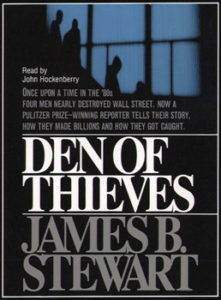 Brook would presumably have us glorify the Rothschilds, as did former inside trader