Alexander Dugin on the Heartland versus the Heartless: The Neocon and Neoliberal Plan for Russia (and America)
There is a marked difference between freedom and liberty, a distinction which highlights the greatest defect of liberalism (especially as it has come to be understood in postmodern discourse).
“Liberty” implies liberation from something, which marks freedom as a negative category. Because of the connotations of liberty commonly understood in the West before the rise of left-wing concepts like liberation theology (i.e. Patrick Henry’s “Give me liberty or give me death” speech), the negative functions of liberty aren’t always obvious to people in the Anglosphere, even or perhaps especially those who consider themselves conservative.
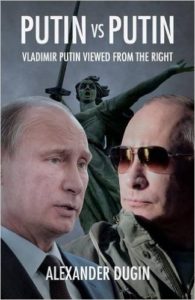
The Eurasians don’t struggle with this bind. Alexander Dugin, the Russian political scientist maligned as a fascist in the West, gets to the heart of the matter in his book, Putin vs Putin: Putin viewed from the Right:
Today, in realizing the ‘liberty from’, we understand ever better that this nihilistic agenda is leading us to an abyss.… A declaration of individual freedom in effect means total dependence of the common man on the oligarchy. Individual freedom abolishes all forms of collective identity. One is not allowed to be a supporter of a national state or a religious institution, because this is not politically correct (Dugin 59).
It is not hard to understand why a Russian political scientist is suspicious of liberty as it has been sold by the Atlanticist powers (Western Europe and the U.S.) when too often neoconservative concepts of liberty involve liberating people from their lives, or neoliberal projects result in liberating nations from their resources. This asset-stripping facet of ostensible liberation is also not lost on Dugin: “In a former socialist country, where a capitalist coup was implemented on short notice, state and public property ended up in private hands and social guarantees…were done away with” (Dugin 59-60).
When people are convinced that the responsibilities that bind them to one-another (faith, community, ethnicity) are merely burdens to be shed, when they are sold individualism as a fetishized commodity that atomizes them, they are ripe for plunder and exploitation. Many on the Right cite Saul Alinksy’s Rules for Radicals as a foundational blueprint for how the Left operates (and it is), but no book encapsulates this nihilistic isolation as a desired state of affairs like Karl Popper’s The Open Society and its Enemies, which holds that “liberals should fight against any ideology or political philosophy (ranging from Plato and Aristotle to Marx and Hegel) that suggests human society should have some common goal, common value, or common meaning” (Dugin 297). Billionaire Jewish business magnate George Soros was so apparently taken with the book, which he considers his “personal bible,” that he saw fit to borrow the title for his grant-making network, the Open Society Foundation. Read more
 In common with many Trump supporters on the alt-right I’ve long harboured a horrible doubt that – just maybe – he was a huckster using his marketing genius to tap into the zeitgeist, leveraging it to close the ultimate sale. Did he really plan to get on with Russia, de-fund NATO, pull American troops out of the Middle East (i.e. stop fighting wars for Israel) and instead focus attention and resources on domestic issues? If that represented his true beliefs, then he literally could not have made a worse choice for National Security Adviser.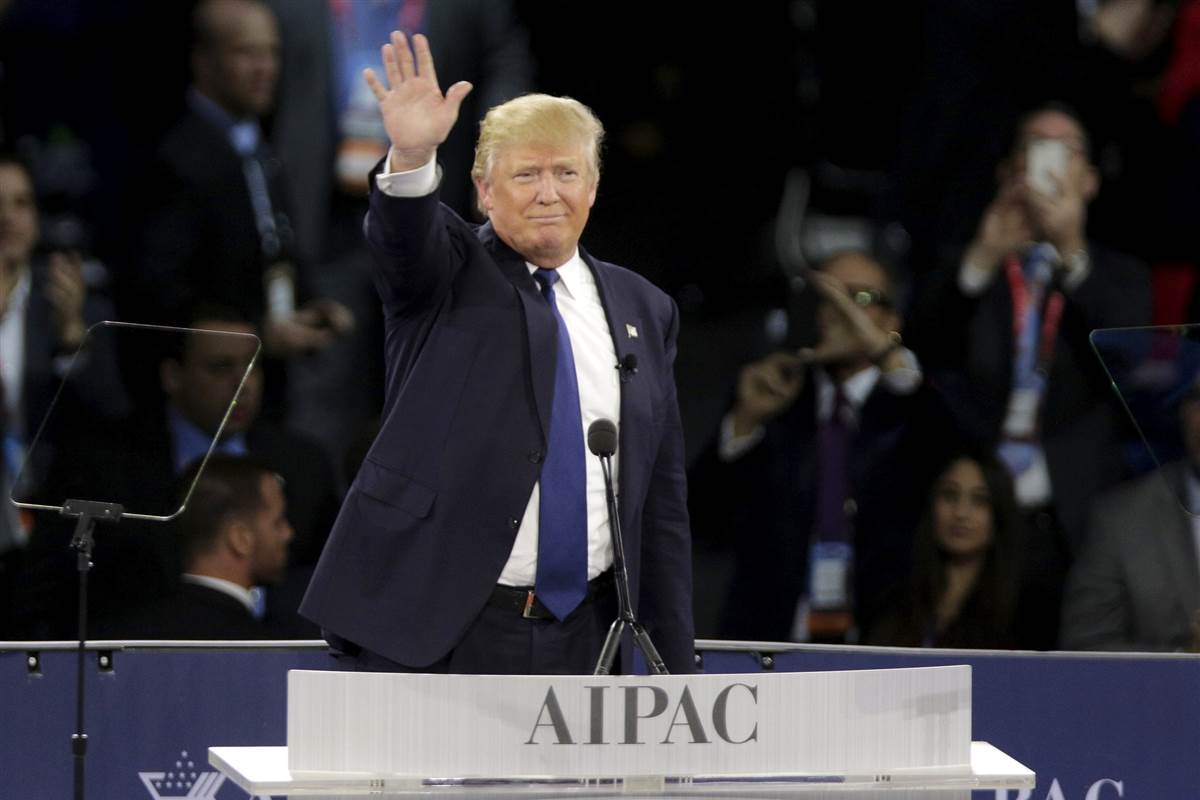

 One of the more spectacular examples of an MSM frenzy over supposed anti-Semitism: the reaction to