Bad Medicine II: The Escalating Problem of Third World Doctors
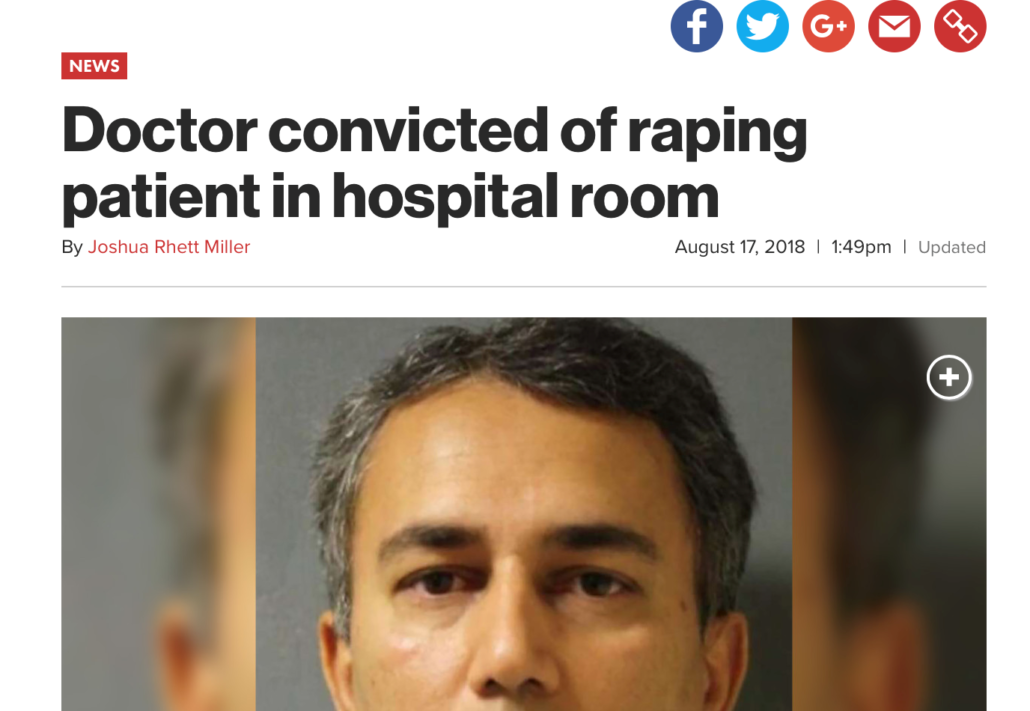
For some time now I’ve been receiving requests to produce a sequel to a September 2017 piece on the disastrous consequences of the mass importation of doctors from the Third World to Britain. Until recently I resisted the temptation to do so because I felt the original article was definitive in outlining the major thematic issues: Third World doctors are responsible for at least 80% of malpractice cases at U.K. Medical Tribunals; Third World doctors are significantly more likely than native British doctors to engage in the sexual abuse of their patients; and, finally, the medical establishment seems to be complicit in both the covering up of these crimes, mainly via the imposition of extraordinarily lenient sanctions. A number of recent stories, however, from the United States and Australia as well as the U.K., have proven sufficiently unsettling and infuriating that further coverage and discussion of this horrific epidemic is necessary.
One thing that has become very clear in recent months is that the U.K. medical establishment is utterly beholden to multicultural dogma on “racism,” as well as a Soviet-like atmosphere of fear, spying, and denunciation. Take, for example, the case of Peter Duffy, a surgeon, consultant urologist, and one-time “Doctor of the Year” at England’s Royal Lancaster Infirmary. In 2005, this exceptional physician made the mistake of stating that “a doctor of Indian descent had missed an operation on a patient with suspected gangrene because he was out playing golf. He also said two other colleagues of Asian heritage were involved in possible overtime fraud.” Rather than leading to an investigation of these issues of malpractice, Duffy reports:
after flagging these concerns, he was subjected to “malicious, toxic and utterly false” allegations over the period of a decade, culminating in accusations made to the police that he was racist. In particular, tribunal documents showed that four anonymous letters were sent to the General Medical Council (GMC), Duffy’s professional regulator, between 2012 and 2014. Employment Judge Slater said that, from the contents of the letters, they appeared to written by someone within Duffy’s department and “alleged matters which, if true, may have called into question [his] fitness to practice.” [Emphasis added]
Under scrutiny and suspected of having “racist” tendencies, in 2015 Duffy transferred to another hospital. It was at this hospital that Duffy was voted Doctor of the Year by patients and colleagues. A lingering cloud of suspicion appears to have lingered over him, however, and he resigned in July 2016 after he claiming he was still unable to shake off insinuations relating to his issues with the three foreign doctors. After resigning, he was awarded £102,000 in compensation by an employment tribunal that judged he had been unfairly treated. Read more