Featured Articles

Are the English Finally Fighting Back Against the Invasion?

English people don’t generally fly their national flag. Flying the national flag shows a need to assert yourself; it implies that you are under threat in some way and that you must mark your territory and rally the troops. Twenty years ago, when I was at university in Scotland, you’d see Scottish flags everywhere. Scotland is a small, relatively poor nation that was long ago subsumed into an England-dominated union. Of course Scotland must assert itself. England, by contrast, was secure in its own importance as the dominant nation in an empire that once ruled a quarter of the globe. You relatively rarely saw the Union Jack (the British flag) in England, let alone the St George’s flag of England.

But since the British government has deliberately allowed England to be invaded since New Labour began a de facto left-wing revolution in 1997, you have started to see more and more England flags dotted about. (The government allowed the invasion because it wishes to signal its adherence to the “marginalised” and push down the wages of English workers who decreasingly vote Labour.) The English, understandably, feel under threat: their territory is being invaded, entire areas of large cities such as London or Birmingham are, in essence, Pakistani enclaves, traditional English liberties are crushed with anti-free-speech laws to protect the Black and Muslim clients of the Labour Party, at least 25% of people in England are not White let alone ethnically English and the capital is now majority foreign. England has fallen, just as it once did to the Danes.

The Empire is long behind them and the English are realising that they, like the Scottish, must rally the troops around the flag and assert themselves if they are to survive at all. The Anti-British government of Keir Starmer is, as far as I can see, an accelerationist regime. Since 1997, the destruction of the traditional England has involved clever salami tactics, for the traitor Tony Blair was nothing if not a political genius. The transformation was too slow and too subtle for there to ever be a serious reaction.

Starmer is far less intelligent than Blair, as are those that surround him. He has made it clear to the working-class English, those who still believe in the nation, that he hates them. For getting upset about the massacre of three little girls by an ethnic-Rwandan in 2024, they are nothing more than “far right thugs” who must be jailed for their emotive tweets, even if they are immediately deleted. But if, during the process, a Black Labour councillor incites the murder of the rioters to a crowd then he is given bail (unlike Lucy Connolly, who posted an anti-immigrant tweet) and then found not guilty after the jury are directed by an openly Woke and pro-diversity female judge.

Two-tier Keir has given us two-tier justice; the Labour government despises the English people. But to continue the acceleration, “migrants” (young South Asian and African men) are permitted — hundreds of them a day — to cross from France and be processed for asylum even though France is a safe country; akin to the US accepting refugees from Canada. With nowhere else to put them, they are placed it hotels; often quite nice ones. This has meant that, very suddenly, scores of completely White towns in the shires have experienced the joys of diversity: young migrants hanging around schools and raping teenage girls; they’re not veiled, after all.

This has led to protests and riots outside “migrant hotels” with the state making this much worse by having police chaperone far-left “counter-protestors” — assorted Woke mutants with purple hair brought in to scream about how “racist” everyone is. In Nuneaton, in the Midlands, where a schoolgirl was raped, the crowd was so infuriated by them that they were literally run out of town, with the police — now widely seen as an anti-British enforcers anyway — desperately trying to protect them.

The St George’s flag was a common sight at these protests, one of which has worked: the migrant hotel in Epping (north of London, teenager raped) has been shut down. However, it appears that this set off, on about 16th August, “Operation Raise the Colours,” an idea which spread via Twitter and social contagion.

To assert that it’s England, a group of men started putting up English and British flags on lampposts in Birmingham, specifically in the White area of Northfield. This spread to Tower Hamlets in London, which is overwhelmingly Bangladeshi and where you’ll frequently see Palestine and Bangladeshi flags. To make things worse, and to make it absolutely clear that, for the authorities, England is conquered and its ideology is Woke (as symbolised by the rainbow flag, allowed to fly everywhere), Birmingham Council, which is bankrupt and can’t collect the rubbish, promptly sent in workers to remove flags, while leaving Palestine flags well alone, naturally. Tower Hamlets Council, making it clear that they are a Bangladeshi enclave, made it plain any flags (actually only British ones, though) would be immediately removed, and they were.

But, naturally, this only galvanised the campaign and underscored the point it was making; parts of England are held by foreigners and the White traitors who collaborate with them (Labour and pretty much all of the political class) to dictate to the true English. And the English must fight back. Elsewhere in Birmingham, a mini-roundabout was painted with the St George’s Flag. This was promptly removed with the anti-British BBC referring to it as “vandalised,” which it doesn’t when rainbow flags are painted in public. This led to online jokes about how potholes will be filled in if you paint them with the St George’s flag and bin bags will be collected if they are marked with the same.

Now, however, there was little stopping this outbreak of English patriotism; this mass-marking of territory. Lines of lampposts all over the country suddenly had the St George’s or Union flags flying from them. Farmers sprayed their sheep with red crosses, to be seen from motorways and country roads.

The left were put in an impossible situation. English patriotism is sufficiently popular that they can’t admit that they hate it and fear it. They want to control it; it’s allowed, occasionally, if there’s football. But spontaneous and uncontrolled, it is deeply frightening to a paranoid, authoritarian, internationalist state that despises everything about England, including the average English working man (he is a “far right thug”). Some were moved, aggressively, to say it represented an aggressive act by the “far right;” they were presumably aggressive due to the cognitive dissonance: “I hate the English even though I am one; I mustn’t but I do.” All of this is happening in a context in which serious people, such as the independent Member of Parliament Rupert Lowe, are discussing the forced remigration of immigrants.

Could England be waking up before it’s too late? I hope so. Has Starmer caused this by bringing about “too much, too soon” and openly showing his contempt for ordinary English people? Yes, he has. We can only hope that, as the summer passes and it gets colder, this “reaction” by the ordinary English against thirty years of psychological abuse by their government and its purple-haired, Karen Stasi does not fizzle out.

Exerting Pressure on Migrants in Ireland to Leave

Am suffering a slight shock: for the first time I saw some Africans in one of the local villages. Looks like they are settling in. I made sure to drive slowly and let them see that I had an unwelcoming expression ón my face…If we withdraw the common courtesies of life, the message will be very clear. And when the first Africans came to Dublin 30 years ago, I used to cross the street to greet them and shake their hands in welcome. Lots of us did. But not any more.

No foreigners hurt in Ulster ethnic cleansing. In Dublin Lumpen Proletariat teens are switching to attacking foreigners, possibly including people not actively abducting children or displaying a bad attitude. The media is under-reporting the attacks: they have only specifically mentioned a handful, but the Indians alone claim 50 of their guys have been beaten. Foreigners noticing change in attitude from Irish, and some foreigners talking about leaving. Huge numbers of Irish, including MSM journos, making foreigners feel uncomfortable in non-violent comments ranging from super polite and very friendly to vulgar, abusive and threatening. The pro-refugee crowd are increasing their mentions of Hitler and fascism and trying to ban a local festival celebrating Irish language, heritage and culture.

Ethnic cleansing, Christian style? Tall tales from Ballymena and Moygashel, Dublin and Drumshanbo

Israelis do their ethnic cleansing with hatred, starvation, torture and massive bloodshed. Ulster’s Christians are doing their ethnic cleansing without hurting a hair on any foreigner’s head and without sectarian or racial hatred.

“There’s not one person in Ballymena has a racist bone in their body” announced a cheerful Ulster lassie on Irish radio. She and her family were on their way to a mostly peaceful demonstration, which segued into a carefully targeted and entirely peaceful destruction of possibly several dozen houses of Roma Gypsy rape gang-related properties.

The issue was—yet another!—gang rape of a young teen girl by foreigners: Roma Gypsies in this case. Two are in custody in the North, but rumour has it that some of the gang have found state accommodation in the South..

No foreigners were physically injured in any way. Ulster Prods have a long track record of burning unwelcome Taigs out of their areas but in previous ethnic cleansings, they have killed and injured people. Not this time. Nobody killed, nobody even injured. Practical Christianity. (Dozens of cops were reportedly injured, but this is purely a compensation and extra holidays scam)

The worst thing that MSM showed us was a foreign woman who climbed into the attic with her children while remigration enthusiasts smashed up the ground floor of the house. They made no attempt to go upstairs and did not set the house on fire. Upsetting for her, nó doubt, but not a hair on the foreigner’s head was touched.

The mostly peaceful protests involved beautiful women wearing balaclavas taunting the police. When the cops announced on their loudpseaker that they were going to use force to disperse the crowd, the crowd cheered! When the water cannon opened up, lots of little groups dispersed in all different directions to go to pre-selected houses to encourage the residents to remigrate. A crowd in one place is easy for the cops to handle, but when that crowd splits into a hundred groups and goes in a hundred different directions?

Filipinos avoided trouble by putting up their flag and the bland statement—Filipinos live here. One Filipino house did get damaged, but locals apologised for the misunderstanding and the Filipinos graciously accepted the apology. They haven’t moved back so far. A source said that hundreds of foreigners have left Ballymena.

In Moygashel, the Bonfire Association got global attention for the funniest bonfire topping: a rubber dinghy full of refugees. MSM journalists barely could speak the words: all the refugees depicted were people of colour. Moygashel is a small place and they must enjoy the publicity. They are probably planning next year’s bonfire already.

The Moygashel boys are equal opportunity mockers and clearly do not have a racist or sectarian bone in their bodies either. Last year, they burnt models of a Sinn Fein and a Unionist politician in a police car. What could be more inclusive and non-sectarian than that?

Bonfires are a part of the Pagano-Christian tradition. Before the man from Galilee made fun of the practice of human sacrifice, the Celts, as well as the Israelis, probably used fire for this purpose. Country people still pronounce it the old way—bone-fire. Ulster Prods like to live up to their reputation as being good workers. For the normal resident of anywhere else in Ireland or Britain, a fire a couple of yards wide and high is plenty big enough. Not for the Ulstermen! MSM sources say that the highest bonfire was 68 metres high, but a source in the town of Larne claims their bonfire was “the highest manmade structure in Britain or Ireland” which, if true, would put it at 200 metres or more. … Either way, they are so hot that you must stay hundreds of yards away. Houses have to board up their windows to avoid heat damage, but the residents of these houses are enthusiastic about the “bone-fire”.

One very significant slogan on the Moygashel bone-fire: Veterans before refugees.

Veterans means veterans of the armed forces. Lots of Ulstermen have served. They know lots of other veterans. The Ulstermen have a great track record when it comes to successful mutiny in the British Army: they did it in 1913—the Curragh mutiny. It was all hushed up, of course.

A big mutiny would be difficult to organise. But a temporary mini mutiny of a hundred or so serving British soldiers is surely feasible. Rock up to the local refugee hotel, arrest everyone in a cheerful, friendly way, cuff them together in a long line and march them through the town to a local politician’s house. Return to base and act perfectly normal. If there’s any pushback, the officer commanding simply laughs and says: “Yes sir, that was my mistake. I misread the orders. Must be the PTSD from my time in Afghanistan. But all’s well that ends well. Nobody was hurt, the refugees got to stretch their legs and see the area and the locals loved the parade. Best not to make a fuss about it, sir, don’t you think?” A very British mini-mutiny.

Ulster Orangemen have been the blood-crazed attack dogs of the British deep state for centuries, on and off. But what happens when the attack dogs turn on their master? They love their flags, the union with the neighbouring island and the institution of monarchy. But the current Royal family is widely regarded as gang of degenerate perverts. Prince “Randy Andy’ and his Epstein visits are well known. And let’s not even start on the revoltingly evil—but technically Catholic—Jimmy Saville and his friendship with a certain very prominent Royal. “A nest of vipers” is how one Orangeman described them. The Orangemen are loyal, but they are not loyal to the Windsors. … Is it time for a dynasty change in the UK?

There are some signs that Ulster cops are sympathetic to thevibrant remigration enthusiasts. A couple of rubber bullets were fired, but didn’t kill anyone. In the old days it was quite common for them to kill people in demos. One MSM report says a cop had his hands in his pockets while a bunch of lads set fire to the Derry/Londonderry railway tracks a few yards away.

A few weeks after the protests, the first ever Gay Pride march was scheduled for Ballymena. In the early morning, someone sprayed the parade route with slurry, leaving the streets inches deep in liquified animal manure. Very smelly. The shopkeepers of Ballymena were out early scrubbing the streets clean. Two young lads have been arrested by the police in connection with the slurry. The cops have been arresting people since the protests stopped. If they are going to jail everyone who was on the protests, they will need several large new prisons.

Africans are contributing to the multicultural gaiety by having Union Jack parades in Gormanstown, Co. Meath. Flying the Union Jack is all very popular in loyalist parts of the North, but in the South it is the height of rudeness. (When Trinity College Dublin flew it at the end of WWII, a boisterous crowd tore the flag down.)

Are our Hiberno- Africans so stupid they do not know this? Perhaps they think they are actually in the UK: we all speak English, many worship UK football teams and UK soap operas.

But even ants understand the friend/enemy distinction. The Africans know fine well that flying the British flag in Ireland is an insult to us Irish. They are deliberately insulting us. Who put that idea in their heads?

For those hoping for lots of speedy, cheerful Remigration, the MSM liars at the Journal.ie and Irish radio offer highly amusing quotes from various foreigners. If true, expect to see a gradual and then a sudden flow of foreigners out of the Emerald Isle. Many have acquired Irish passports and will no doubt attempt to flee to other Anglophone countries.

Faisal, from India, is following his Pakistani doctor wife around the world. Ireland is friendlier than Australia, he said on radio, but the Australians don’t administer savage beatings to foreigners on the streets..

Many cited the Dublin Stabbing Riots of 2023 as the turning point when the Irish stopped being friendly.

Women and their teenage daughters began to side-eye me on Dublin streets,”

This is great news! This means that even the feminists have hopped aboard the Remigration train!

Many said that they felt afraid and were considering leaving the country.

A GP from Trinidad and Tobago, who wants to remain anonymous, said that he and his wife, who is also a GP, have lived in Ireland since their early twenties; they are Irish citizens, but he says the couple are now considering leaving Ireland.

It seems that they never felt the need to devote some of their time to helping their compatriots back in poverty-stricken Trinidad. Perhaps now is a good time for them to move home?

The man said the couple were recently racially abused by their neighbours when they asked them to lower the volume of music after 1am on a Sunday.

One couple came to Ireland as they wanted to “experience life in a high trust society. Instead, they feel terrified to leave their home.”

Ah yes. Well, it was a high trust society. But that was before the foreigners came.

It seems like there is a totally leaderless psychological warfare operation against our surplus foreigners. All types of people are putting their shoulder to the wheel, in all sorts of social settings.

A local man browsing in a shop that I sometimes work in told me that I was ‘lucky to be working here’. A man sat down next to me on the bus and began to murmur at me that this was his country, and tried to provoke me to attack him. He followed me around the bus murmuring threats in my ear.”

Notice how delicately the message was delivered: murmured into his ear. Up close and personal, but very relaxed.

Rúairí also said that while having a drink in a bar in Mayo with a friend recently, someone played The Lion Sleeps Tonight on the stereo and men at the bar shouted slurs and laughed.

Great tune. Isn’t it amusing that even whistling a tune with an African reference will be construed as a threat?

It’s noteworthy that even Irish people who are friends with foreigners are joining in the effort:

He says that some of his friends have begun mentioning the Great Replacement conspiracy theory.

Isn’t he lucky to have such honest friends?

Foreign women are, of course, more fearful than the men.

Johanna said: “I feel like I constantly go around town with an undercurrent of strong anxiety and paranoia, watching my back, bracing for the worst.”

This month. while walking down O’Connell Street in Dublin with her boyfriend, two men passing muttered “get out of our fucking country”.

That’s probably a slight misquote. The lads probably said ”Get the fuck out of our country”

Another reader, Taz, said the racism he experienced at work and where he lives in Dublin made him feel “scared and powerless”.

I was told to fuck off to my country by an elderly man,” he said.

Again, probable misquote. The old guy would be more likely to say ”Fuck off to your own country”

On public transport, a man stood on his foot and wouldn’t let him move; the man told him he had a problem with the reader’s “chocolate face”.

Our beloved Garda Siochana are, to their eternal shame and disgrace, following orders to enforce the Plantation, but they are also encouraging foreigners to remigrate.

He said he does not feel supported by Irish officials: “I feel they are not doing anything. I’ve never felt like they can help me at all.”

Another reader who lives in Dublin said he is constantly harassed by groups of teenagers, something he feels the authorities do not take seriously.

This writer has made numerous formal complaints to the Gardai about various crimes. Believe it or not, the response from the cops included: smirking, insults, threats of arrest and death, open boasts of the cops’ involvement in illegal activities, including murdering other cops and drug dealing and, of course, almost total inaction on the crime reported. It is wonderful to hear that many cops are responding in a similar fashion when foreigners complain that someone insulted them or hit them a few slaps. The cops cannot be accused of being racist: they are treating the foreigners with the same contempt they show us natives. In fairness to them, as many as ten percent of Irish cops will respond in a professional manner to a report of a crime.

The Lumpen Proletariat youth, mothered by feminists, trained by the sacred screens of phone and TV, motivated by easily available vodka, cocaine and mind bending vapes, are also doing their part to encourage remigration. This highlights the only advantage mass immigration has brought to Ireland. In the old days the Lumpen Prole teens would launch savage unprovoked attacks on peaceful people like you and me. The leftists would make excuses for them. Now the Lumpen Proles are starting to target foreigners and the leftists are terrified.

Kids using electric scooters at high speed throwing bottles and stones on people of colour is frustrating,

A reader who lives in the midlands said that every day before leaving his home, he prepares himself to expect the worst from Irish people.

I no longer smile nor am I friendly, I am always on the edge ready to defend myself, this has affected my mental health and I no longer want to live in this hostile unfriendly country,” he said.

Sounds like someone has taken the hint...

Some Dubliners are taking things to the next level: Two Indian chaps were very badly beaten — nearly killed — in the last two weeks. The first beating made national and international headlines and much criticism. (An Irishman suffering a similar beating would typically be almost completely ignored by the MSM). The second beating of an Indian was given much less publicity. The Indians say 50 of their people have been beaten recently, but most of these attacks are unreported by the MSM.

The publicised incident involved a prosperous looking crowd of middle-aged Irish people urging on a bunch of teenagers who were bashing the unfortunate chap’s head into a convenient lamppost. They had stripped him naked from the waist down. They emphatically told a do gooder lady who asked whether the man had been behaving badly near a playground. MSM repeatedly said that the man was “totally innocent” but they admitted that his walk from his home to the Hindu temple happened to pass by a playground.

Some might argue that this action is in some way unChristian. But the man from Galillee was very specific about what to do with people who interfere with children: tie a millstone around their necks and throw them into deep water. He and his crew also reportedly entered a Jewish temple and whipped everyone they could get their hands on. Executions and whippings are punishments that Jesus encouraged.

Dr Santosh Yadda, a data scientist, described another attack: The teens came from behind, stole his glasses, asked if he wanted the glasses back, broke the glasses in front of him and then started hitting him, resulting in fractured bones, cuts and three or four painkillers a day.

This seems to have been an unprovoked attack on a man minding his own business on an evening stroll. Such attacks are wrong, unChristian and possibly even counterproductive.

Despite the beating, Dr Yadda still loves us and wants to stay: “I love the Irish people. Irish people are the best.” The journo specifically asked him if he is he going to stay in Ireland. “Definitely. ..I have concern only about these teenagers.” He says that the supportive attitude of his ethnic Irish co-workers is the reason he intends to stay. He predicts that the teens who attacked him will get off scot free, even if the cops bother to find them. “They know they will not be punished…” He advises Indians to always go out in groups and avoid eye contact with people.

The liberals created laws to give special privileges to anyone doing crimes before their 18th birthday. They have their identities hidden permanently, for example.

On RTE’s Morning Ireland news show, journalist Shane McIlhatten is clearly mocking the suffering of the brown man. He reports on Lakhmir Singh, a taxi driver who was beaten up at night by two passengers, presumably ethnic Irish, though it is not stated. Singh states that he will definitely never drive a taxi at night again. McIlhatten then says in an amused tone of voice: “Another person with a newfound fear of the dark is Dr Tymur Salman.” Only women and children have a fear of the dark.

Dr Salman was born and bred in the town of Navan, Co. Meath. His father was also a doctor there. The other day, while buying groceries at night, a ten-year-old boy shouted “Mr. Curryman” at him. Another boy did impressions of Apu, the unpleasant Indian from the Simpsons.

As a result, Dr Salman feels that it is too dangerous for him to walk the streets at night. A delicate flower indeed. Might remigration be a solution for him?

Priyanka Borpujari is a journalist and PhD student who has decided to “make Ireland her home”. She sounds like she has access to some good research on racial differences, not just at skin level but at cellular level. Is she a reader of TOO? She admits that she didn’t get worked up when the Lumpen Teens killed a Croatian chap or when the cops supposedly attacked some Africans, but only when one of hers was hurt.

So perhaps in a way, we are all tribal in our bones, that our cells wake up only when “one of us” is attacked.” You don’t say. Maybe she should apply for a research grant to study the topic.

The same lady accuses the Lumpen Teens: “For non-Irish and non-White people like me who have made Ireland our home, there is nothing we fear more than teenagers, who can get away with any form of racist attack.”

In fairness, the Lumpen Teens have been getting away with savage — but non-racist — attacks on ethnic Irish for decades. It’s only very recently that they have started attacking foreigners. For twenty years since the darkies started trickling in, there has been a loose Lumpen Prole/Foreigner alliance. The Nigerian, Pakistani and East European have often provided drugs, prostitution and hitman services to ethnic Irish criminals. Some well-organised Irish criminals have benefitted directly from the billion Euro refugee accommodation scam. If the Lumpen Prol/Organised crime/Foreigner coalition is falling apart, this can only be a good thing.

A Bombay homosexual (“15 years living in Ireland”) was possibly exaggerating when he claimed on radio that in Dublin’s Heuston train station, “everybody” was staring at him with hate in their eyes. Significantly, they were also making their hands into fists. It sounds like the commuters were trying to make him afraid, which is technically a criminal offence. Perhaps he should report it to the cops?

He also claimed that a drunk woman wielding a knife chased after him when he was walking through Kilmainham. Kilmainham is where the Brits shot the leaders of the 1916 Rebellion. Indians are making maps of unsafe areas in Ireland. They should add Kilmainham to the list.

Indians are pretending to be surprised and outraged, of course. The MSM are stressing attacks on Indians, but surely the Pakistanis and Nigerians are also getting beaten? Perhaps the explanation is that while the Indians are happy to play the victim card, the manly Pakistanis and Nigerians reject this tactic. If you are the boss of the local Paki rape gang and the local teens and pre-teens launch a humiliating, but non-fatal, attack on your family, publicising the attack would lower your status and expose you as a father unable to protect his family.

Indians have colonised several parts of the world: Mauritius, Natal province in South Africa, Fiji They know that the locals will object. They already have their plans in place. They are lobbying our politicians to include extra compulsory education on the many benefits that foreigners have brought to Ireland. Other Indians are boasting on Reddit forums about how their new housing estate in Dublin is 95% or even 100% Indian. Our useless fat politicians issue 2,000 legal work visas every month to Indians and the same again to Brazilians. And who knows how many UK Pakistanis drive across the open border unnoticed and find sanctuary with the Kebab Shop Brotherhood? Every village in Ireland has a Paki fast food place.

On Telegram channels, a guy boasts that they were expecting some foreigner to break into their flat. They were prepared. They gave him a “Dublin hello”, which seemed to involve hitting him on the head with a stout stick until he stopped moving, judging from the photo of a dead-looking African man. Not a word about the incident on the MSM. Possibly a disinfo fake: who would incriminate themselves by posting this online? But possibly true. In Ireland you can kill someone legally, as long as you held the belief that they were a threat to your life or to someone else’s life, even if that belief is obviously false and no reasonable person would believe that you were threatened. Perhaps the guy is very sure of the legality of his actions?

Attacks on foreigners can be divided into two types. Type A: A foreigner caught in some despicable act and suffering injury while resisting a perfectly legal citizen’s arrest, after a proper investigation of the facts, in a civilised and Christian fashion in accordance with Irish law, Gaelic custom and the 1937 Irish constitution.

Type B: A foreigner minding his own business attacked because Lumpen Prole teens want some cheap thrills and a soft target.

It is to be expected that the MSM will minimise mention of the former and maximise the publicity given to unprovoked Lumpen Teen attacks. There were frontpage headlines when a six-year-old Indian girl was hit in the face and told to go back to India by a group of five 11-year-old boys. This story, which is quite possibly not true at all, comes from the girl’s mother, Anupa Achuthan, a nurse in Waterford.

Meanwhile, the pro-refugee crowd are desperately flogging the fascist Hitler horse. In Sligo, 100 people, including an evil English feminist well known to this writer and a deranged US Jewess carried insulting signs saying “The only good fascist is a dead fascist” and so on. This was in reaction to a Sligo Says No rally of 200 or so, whose bland purpose was simply against Government policy.

Not one black or brown person was at the “anti-fascist” rally. Numerous Africans and brown Asians observed the Sligo Says No rally with a relaxed and friendly attitude. A slim, elegant young African woman with her equally pretty Filipina friend watched the speeches with interest from a riverside cafe. No doubt they miss the sunshine and customs of their home countries, and our rally has encouraged them to think of remigration. The Christian flavour of some speeches probably resonated with them. A middle-aged lady spoke of constant sexual propositions and harassment from brown men. This possibly also resonated with them. Hell hath no fury like a woman scorned. Perhaps brown woman jealousy of brown man lusting over our (much more beautiful) White women could be a powerful force for remigration?

The Sligo Says No rally went up to the gates of the massive new development of refugee apartments (200 car spaces) that overlooks the Abbeyquarter residential area. The refugees will be able to observe the habits of the locals from their high-rise windows. The locals were happy to see the march.

Fascists and Jews mingled happily at the Remigration rally. Perhaps they weren’t actually real fascists or real Jews: One handsome, stylishly dressed youngster flipped a Roman salute to the terrified anti-fascists. His goodlooking girl cooed approval. (Roman salutes are not illegal here, and there are great photos of Catholic bishops and Irish politicians doing it in the 1930s.) A burly, tanned and confident looking chap wore a sports shirt with the words ISRAEL and an image of a howling wolf. There was no blood on the wolf’s fangs, so perhaps we can deduce that he is one of the many Israelis who want an immediate ceasefire and peace with their Palestinian neighbours?

Local politicians repeated the fascist allegation. One leftie (Pat Fallon, Sligo Leitrim Congress of Trades Unions) even complained about anti-Muslim blasphemy referring to the chant: Allah, Allah, Who the fuck is Allah? Some years ago, we voted in a referendum to remove the offence of blasphemy from the constitution. We can be almost certain that Fallon supported this. But now he is offended by it…

In the town of Drumshanbo, there is a gang of three lunatics: A trans person, a non-Gaelic speaking pagan witch and a leftie. The footsoldiers of globalism. They have busied themselves putting up posters with a Hitler theme. They claim that an upcoming nationalist festival will be a opportunity to celebrate the well-known Austrian artist, vegetarian and Zionist collaborator. They got hundreds of musicians to sign a petition calling for the festival to be banned. Prominent signers include Christy Moore and the notorious Kneecap. The campaign worked: the Drumshanbo venue cancelled. This was slightly surprising — the same venue held an illegal Covid gathering, back in the day.

Luckily, another venue is available, somewhere near Castlebar. Details available at the last minute, to avoid problems. The publicity of the cancel campaign has no doubt worked to increase ticket sales…

The Mise Éire festival is to celebrate the Irish language, culture and heritage. It will, God willing, take place on August 23rd. It features a host of Remigration enthusiasts, writers, artists, musicians and speakers of the dear old Gaelic. It’s priced at an eyewatering 50 euros with over half the 750 places already sold. (50 x 750 makes 37,500 bucks. Who knew there was that much money in nationalism?)

Will it be banned? Or will it be the best free speech gathering ever? Watch this space. See you there. Beir bua!


Professor Griff, Public Enemy, and the Precarious Black–Jewish Partnership

When Kanye West, more popularly known as “Ye,” recently released a song titled “Heil Hitler,” it was not the first time a hip-hop artist’s rhetoric strained Black-Jewish relations. In 1989, Professor Griff of Public Enemy made antisemitic claims in an interview that set off a media firestorm and reopened deep, historical tensions between the two communities.

Born in 1960, Richard Duane Griffin, known as Professor Griff, rose to prominence as a key member of Public Enemy, one of the most influential rap groups of all time. As the group’s self-proclaimed “Minister of Information,” he fused a commanding stage presence with pointed political commentary, helping to make Public Enemy both critically acclaimed and socially disruptive.

Griff’s role extended far beyond lyrical contributions. He developed the group’s stage routines, managed its armed-guard “Security of the First World” (S1W) dance unit, and infused its message with Afrocentric themes. Public Enemy’s sound and style were unapologetically abrasive and confrontational, quickly becoming the soundtrack for a generation of Black political protest. Albums like Yo! Bum Rush the Show (1987), It Takes a Nation of Millions to Hold Us Back (1988), and Fear of a Black Planet (1990) revolutionized hip-hop’s sound and challenged its audience to think politically. Songs such as “Fight the Power” became early hip-hop anthems, embedding Public Enemy’s defiant style into the very fabric of the genre.

While Griff was less visible than frontmen Chuck D and Flavor Flav, his creative input was indispensable. His spoken-word interludes, authoritative stage presence, and conceptual vision for S1W gave Public Enemy one of the most distinctive performance identities in the hip-hop genre. But as the group’s influence grew, Griff’s offstage rhetoric would spark one of hip-hop’s most damaging controversies.

The fallout began on May 22, 1989, during an interview with The Washington Times reporter David Mills. Griff asserted that “Jews are responsible for the majority of the wickedness in the world” and claimed he could “prove” their wickedness. He accused Jews of controlling American institutions, pointed to their dominance in the jewelry business, and went so far as to say that “if the Palestinians took up arms, went into Israel and killed all the Jews, it’d be all right.”

These remarks did not appear in a vacuum. Griff’s views were heavily shaped by the Nation of Islam’s ideology, particularly the teachings of Louis Farrakhan, and by material circulated by the NOI’s historical research department. He drew directly from The Secret Relationship Between Blacks and Jews, which argued that Jews dominated the Atlantic slave trade, and from Henry Ford’s The International Jew.

The backlash was immediate. Jewish organizations, mainstream media outlets, and music critics condemned his remarks. Public Enemy’s once-radical posture was now a liability. Chuck D initially tried to defend Griff but eventually relented to mounting pressure. On June 19, 1989, he announced Griff’s removal as Minister of Information for failing to represent Public Enemy’s program. Less than two weeks later, under unrelenting public and industry scrutiny, Chuck D announced the group’s temporary disbandment.

By August of that year, Public Enemy had reformed and reinstated Griff in a reduced role as “Supreme Allied Chief of Community Relations,” but the arrangement was short-lived. The mounting public pressure on the group proved overwhelming. The Anti-Defamation League of B’nai B’rith lodged protests with CBS/Columbia Records, which distributed Public Enemy’s albums.

Walter Yetnikoff, head of CBS, sent a memo to his executives urging them to “pay more attention to what their acts were saying with regard to matters of ethnicity.” Jewish leaders across the country condemned Griff’s remarks, the national media erupted, and even longtime allies distanced themselves. Russell Simmons, co-founder of Public Enemy’s label, reportedly dismissed Griff as “a racist stage prop.” By the end of 1989, Griff was permanently kicked out of Public Enemy.

Despite the damage to his reputation, Griff re-emerged in later years, continuing to champion Black empowerment while rarely retracting his earlier views. In June 2020, he appeared on Nick Cannon’s “Cannon’s Class” podcast, where both men engaged in a discussion about Jewish power and Semitic identity. Cannon endorsed Griff’s claims concerning Jewish power, calling him a “legend” and proclaiming, “you’re speaking facts.” Cannon’s conversation triggered the predictable backlash from the usual suspects, with groups like the ADL, the Simon Wiesenthal Center, the American Jewish Committee, and regional Jewish federations denouncing his remarks, ultimately pressuring ViacomCBS to cut ties with him.

In 2025, Griff remains active through lectures, interviews, and social media, appearing on programs such as “The Carl Nelson Show” to discuss Black music and history. While his recent rhetoric has been less inflammatory than in 1989 or 2020, his continued association with controversial ideas keeps him relevant in debates about antisemitism in hip-hop.

The fallout from Griff’s remarks cannot be understood without examining the broader history of Black-Jewish relations in America. Historically, these communities forged important alliances, particularly during the Civil Rights movement, when Jewish leaders and organizations lent significant support to Black activists. Yet beneath the surface, the relationship has always been precarious.

As this author has previously mentioned, Black-Jewish relations in modern America have been marked by repeated clashes despite earlier civil rights solidarity. From the 1968 Ocean Hill–Brownsville school crisis to the 1991 Crown Heights riots, from the Nation of Islam’s rhetoric on Jewish influence to high-profile disputes over Israel and Palestine involving figures like Tamika Mallory, Marc Lamont Hill, and Black Lives Matter, these episodes have exposed deep and persistent fault lines in this presumed alliance.

At some point, as political priorities realign, Black Americans may find themselves overlooked while other potential golems—Indian migrants in particular—are cultivated to serve the agendas of those in power. As new minority groups rise to prominence, Professor Griff’s legacy stands as proof that the Black-Jewish alliance has always been tenuous, and its future may lie in obsolescence rather than renewal.

Israel’s Man Inside the CIA Betrayed the US, New Files Show

Israel’s Man Inside the CIA Betrayed the US, New Files Show

 and 

CIA spymaster James Angleton shaped the US-Israeli relationship in secrecy. Newly unredacted files shed light on his wanton betrayal of his country to assist Israel’s theft of US nuclear material and global spying operations.

Veteran CIA counterintelligence chief James Angleton secretly oversaw a top-level spy ring involving Jewish émigrés and Israeli operatives without “any clearances” from Congress or Langley itself, according to recently declassified documents published as part of the Trump administration’s pledge to disclose all available information on the assassination of President John F. Kennedy.

The files provide a fresh and often disturbing look at a spy described by historian Jefferson Morley as “a leading architect of America’s strategic relationship with Israel,” detailing Angleton’s role in transforming the Mossad into a fearsome agency with global reach, while assisting Israel’s theft of US nuclear material and protecting Zionist terrorists.

Angleton established the Jewish emigre spying network in the aftermath of WWII, with the apparent goal of infiltrating the Soviet Union. But as the files show, the spymaster considered his “most important” task to be maintaining the supply of Jewish immigrants flowing from the Soviet Union towards the burgeoning Israeli state.

According to Angelton, his Jewish assets were responsible for 22,000 reports on the USSR, generating several intelligence masterstrokes. Chief among them was the publication of Soviet Prime Minister Nikita Kruschev’s famous 1956 secret speech denouncing Stalin, which the spymaster boasted “practically created revolutions in Hungary and Poland.” Elsewhere, Angleton bragged that his arrangement with Israel had produced “500 Polish intelligence officers who were Jewish” who “knew more about Polish intelligence than the Poles.”

Other passages appear to show Angleton taking credit for securing the “release” of several Zionist terrorists affiliated with the Irgun militia before they could be convicted for bombing the British embassy in Rome. Though the group had been captured by Italian authorities, the newly-disclosed files indicate the terror cell was freed on the orders of the CIA.

The information was originally divulged in 1975 to senators serving on the Church Committee, which probed widespread abuses by US intelligence in the decades prior. Congress was particularly interested in claims by New York Times foreign correspondent Tad Szulc, who testified under oath that Angleton had personally informed him that the US provided technical information on nuclear devices to Israel in the late 1950s. The new documents show that Angleton was deceptive under questioning, and evaded questions on Israel’s nuclear espionage efforts on the record.

Additional unsealed FBI documents, which refer to Israel’s Mossad as Angleton’s “primary source” of information, confirm that the CIA’s head of counterintelligence relied heavily on Tel Aviv to solidify his position within the Agency – and also add to the growing body of evidence that Angleton may not have been operating with US interests in mind throughout his 21-year tenure.

Other newly declassified files from the FBI have shown that Angleton maintained a wildly lopsided relationship with the Bureau, which saw federal agents deferring to the CIA counterintelligence chief after they caught him surveilling the correspondence of huge numbers of Americans. The files show Angleton openly admitting he would have been fired if Langley caught wind of his leaks to the Bureau.

A side-by-side analysis of the now-unredacted Church Committee files compared with their previously-released versions from 2018 demonstrates that even after 70 years, Washington felt compelled to conceal details of its real relationship with Israel’s founders. Over a dozen references to “Israel,” “Tel Aviv,” or descriptions of figures as “Jewish,” which were scrubbed from the 2018 release, can now be viewed on the National Archives site.

The documents on that page reveal that Angleton repeatedly lied to multiple Congressional bodies, including the Church Committee, which investigated CIA abuses, and the House Select Committee on Assassinations, which probed the murders of John F. Kennedy and Martin Luther King, Jr. Angleton was similarly evasive when interrogated over Israel’s nuclear weapons program, and about CIA knowledge or complicity in the scheme.

Those documents also reveal that Angleton’s CIA counterintelligence staff ordered Lee Harvey Oswald’s removal from federal watchlists six weeks before Kennedy’s assassination, despite his classification as a high security risk. The surveillance of Oswald was personally overseen by a member of Angleton’s intelligence network of Jewish emigres, Reuben Efron, a CIA spy from Lithuania. Angleton had placed Efron in charge of an Agency program called HT/Lingual which intercepted and read correspondences between Oswald and his family.

Numerous historians have questioned why the CIA counterintelligence chief insisted for decades on personally overseeing what he described as the “Israeli account.” Though several off-the-record interactions remain impossible to parse, the documents show that when grilled about his “unusually close” connections to the Israeli Mossad, Angleton acknowledged forming an “arrangement” in which, “in most simplistic terms, [the Israelis] were informed that we would not work with them against the Arabs, [but] that we would work with them on Soviet bloc Intelligence and communism.”

Freeing Zionist terrorists

One of the earliest instances of Angleton’s cooperation with Zionist elements came as Zionist militants embarked on a terrorist campaign to pressure the British colonial authorities to leave Mandate Palestine.

In October 1946, three months after they bombed the British administrative headquarters at the King David Hotel in Jerusalem, members of the right-wing Irgun militia planted explosives in the British embassy in Rome in a failed bid to assassinate the UK’s ambassador to Italy.

According to Angleton, after the Irgun “blew up the British embassy in Rome” in 1946, the CIA intervened to ensure they escaped Italy without prosecution.

“We had the members of the group, and then we had the dilemma again as to whether we turned them over to the British authorities,” noted Angleton, who had served as counterintelligence chief for the Italian branch of the Office of Strategic Services, the CIA’s predecessor. “And we were in a position to make the decision one way or the other. And eventually we came down on the side of releasing them.”

A secret deal with the Mossad

As Washington sought to manage the political ruptures caused by the creation of Israel, and monitor the wave of Soviet migrants pouring into the self-proclaimed Jewish state, Angleton framed his takeover of “the Israeli account” as a convenient way for US intelligence to kill two birds with one stone.

“The other side of the Israeli problem was that you had thousands coming from the Soviet Union and you had the Soviets making use of the immigration for the purpose of sending illegal agents into the West and breaking down all the travel control, identifications and so on. And so there was both a security problem and a political problem.”

To manage these “problems,” the US and Israelis brokered a deal involving the secret exchange of “papers and signals, communications intelligence, [and] the other products of intelligence action,” Angleton stated. The spy chief claimed the only records of the 1951 arrangement held by the US side would be in the possession of the Agency, and admitted US Congress had been left in the dark, telling senators, “I don’t think there were any clearances obtained from the Hill.”

Asked by one legislator how it was “possible for succeeding directors of the intelligence agency to understand what the agreements were between” US and Israeli intelligence, Angleton responded: “Very simple. They saw the production to begin with. And they met with directors or the head of Israeli intelligence. And they met with Ambassadors and prime ministers. And they were very much involved.”

Grooming Zionist spies “outside the structure” of the CIA

Angleton was especially protective of what he called “the fiduciary relationship” with Tel Aviv, assembling a close-knit clique of Jewish Americans with dubious loyalties to manage it as World War Two drew to a close. “I started from the south side with two Jewish men who worked with me during the war,” he explained. Having “sent them over as ordinary people under cover” to get their bearings in newly-formed Israel, Angleton “brought over six others and put them through some months of training, outside of the structure” of the CIA.

“To break down the fiduciary relationship – which is after all a personal business – all the men I have had, were men who stayed in it and came back to headquarters and went back to Tel Aviv, they went to the National Security Council, and went back to Tel Aviv, et cetera.”

“It was probably the most economical operation that has ever been devised in the U.S. Government,” Angleton crowed. “I don’t think there was [sic] more than 10 people that were hired in the same process.”

Having trained these spies “outside of the structure” of the CIA, it’s unclear how Angleton ensured they remained faithful to US national security objectives, or whether he ever intended to.

Enabling Israeli theft of US nuclear material, spying on America

Angleton’s role in enabling Israel’s wanton theft of nuclear material from an American facility is one of the more shocking episodes in the US-Israeli relationship. The scene of the crime was the Nuclear Materials and Equipment Corporation, or NUMEC, a uranium processing facility in Apollo, Pennsylvania owned by a Zionist financier named David Lowenthal. In 1965, Zalman Shapiro, a fellow Zionist hired by Lowenthal to run the plant, illegally diverted hundreds of kilograms of nuclear fissile material to Israel. Posing as a scientist, the notorious Mossad spy Rafi Eitan visited NUMEC three years later to continue the heist.

As Jefferson Morley documented in his biography of Angleton, “The Ghost,” the late CIA counterintelligence chief made sure the CIA looked the other way as Israel constructed its first nuclear weapon out of the stolen fissile material. According to Morley, “Angleton, it is fair to say, thought collaboration with Israel was more important than U.S. non-proliferation policy.”

1977 investigation by the US Government Accountability Office found that the CIA withheld information about the NUMEC nuclear theft from the FBI and Department of Energy, and “found that certain key individuals had not been contacted by the FBI almost 2 years into the FBI’s current investigation.”

The latest batch of Church Committee files add new detail about Angleton’s compromising of US national security to benefit Israel, and his attempts to cover up his betrayal.

During his testimony before the Committee, Angleton was pressed about media reports alleging that he and his counterintelligence unit provided Israel with technical support for constructing nuclear weapons. He strenuously denied the charges, insisting the CIA had never played any role in providing Tel Aviv with nuclear materials. However, when questioned about whether “Israeli intelligence efforts” were ever conducted in the US “aimed at acquiring… nuclear technology,” Angleton equivocated.

First, he blustered, “there have been many efforts by many countries to acquire technical knowledge in this country, and that doesn’t exclude the Israelis.” Asked if CIA counterintelligence had “certain knowledge” of Israeli agents “trying to acquire nuclear secrets in the US,” Angleton pleaded, “Do I have to respond to that?”

The Committee then went “off record” at the senators’ request, making Angleton’s responses impossible to scrutinize.

In a secret 1975 memorandum to the FBI, the ousted CIA counterintelligence chief disclosed that he had “avoided any direct answers” during his Senate testimony on Israel’s spies carrying out “intelligence collection” to gather “nuclear information” in the United States.

Just days later, a Bureau report on “Israeli intelligence collection capabilities” revealed Angleton entertained “frequent personal liaison contacts” with Mossad representatives at Israel’s Washington DC embassy between February 1969 and October 1972. This “special relationship” involved “the exchange of extremely sensitive information.”

Further, the 1975 FBI memo on Angleton disclosed the Israeli embassy’s establishment of a “technical intelligence network” seven years earlier which was directed by an Israel scientist who worked on Tel Aviv’s nuclear program. This may explain why Angleton was so cagey under Senate questioning.

“Israeli matters” trigger Angleton’s downfall

The Church Committee files show Angleton bristled at then-CIA Director William Colby’s efforts to apply a modicum of transparency to the Agency’s activities, especially as they related to Israel. The spymaster warned that if the USSR ever caught wind of Langley’s use of the self-proclaimed Jewish state as a de facto halfway house for communist turncoats, they would almost certainly end their policy of encouraging Eastern European Jews to migrate to Israel:

“This idea of opening the doors and letting the light in, and breaking down compartmentation, and breaking down the need to know, would inevitably put in jeopardy the immigration, if the Soviets should learn the extent of the activities,” Angleton stated.

Colby fired Angleton in 1974 after the New York Times revealed that he devised an illegal program of domestic spying targeting antiwar American dissidents. In his testimony, Angleton framed their clash as an interpersonal conflict, describing Colby as “not my cup of tea professionally or in any other way.”

Yet Angleton also acknowledged to the Senate that a “dispute in connection with these Israeli matters” between himself and Colby contributed to his departure from the Agency. Was this a reference to the former spook’s involvement in Israeli theft of US nuclear secrets, enabling Israel to acquire the bomb?

Whatever the case, it was clear why Angleton would be remembered more fondly in Israel than inside the country he ostensibly served.

On December 4, 1987, the director of Israel’s Mossad and Shin Bet intelligence services gathered in secret on a hillside in Jerusalem to plant a tree in honor of Angleton. They were joined there by five former Israeli spy chiefs and three former military intelligence officers.

Despite attempts to keep the ceremony under wraps, two local reporters managed to evade the cordon to record the ceremony for the former CIA counter-intelligence director, who had died seven months prior. Together, the Israeli spooks laid a memorial stone that read, “In memory of a dear friend, James (Jim) Angleton.”

On the Need for Eugenics

Eugenics is one of those ideas that has come to acquire a negative reputation for all the wrong reasons. Under pressure from mainstream academics and writers since World War Two, and largely due to its association with National Socialism, the very concept of eugenics has been derided and defamed for decades. Today it is widely seen as misguided, racist, or as some downright evil social-programming scheme; but in fact, as I will argue, it is vital for our collective survival.

Unsurprisingly, basic definitions are highly biased. The Cambridge Dictionary calls it:

the idea that it is possible to improve humans by allowing only particular people to produce children, which most people now do not accept or support because of the idea’s connection with racist and Nazi theories and actions.

Wikipedia tendentiously defines it as “a set of largely discredited beliefs and practices that aim to improve the genetic quality of a human population.” The slanted tone continues: “Historically, eugenicists have attempted to alter the frequency of various human phenotypes by inhibiting the fertility of those considered inferior, or promoting that of those considered superior.” It sounds bad, wrong, malevolent…especially for those on the wrong end of the ‘superiority’ spectrum. But in fact, it is normal, natural, and necessary for human beings, especially in the modern technological era. The primary questions now are not whether or not we need it, but rather what form, and of what intensity, a eugenic program should be implemented.

But let me start with some fairly straightforward observations. I claim that everyone, already, is a eugenicist—they just don’t use the term. The word ‘eugenic’ comes from the Greek eu (good) + genos (birth), related to genea (race) and genesis (origin). Eugenic has the sense of ‘good birth,’ ‘good stock,’ or in more scientific terms, ‘good genes.’ For themselves, everyone naturally wants to be of good stock, to have good genes; good genes typically imply good looks, health, intelligence, strength, longevity, and a robust personality. We cannot affect our genes, but still, we somehow hope that we have good ones and that any personal problems or health issues will somehow be ultimately controlled or remedied by our ‘good stock.’

It is a similar case, I think, for any potential partners or spouses that we might seek out. I think it is safe to say that, when young, most of us want mates who are beautiful or handsome (however defined), strong (in men) or feminine (in women), intelligent (at least, comparable to ourselves), and healthy. This is not to say that other non-genetic factors do not matter: women may seek wealthy men, for example, who can serve as good providers. Men may seek a ‘trophy wife’ simply because she is desired by other men. And there are other pragmatic concerns: In real life, we typically cannot find a willing partner with all these desirable qualities, and so we all eventually make compromises; but still, the vast majority of us seek mates with good genes.

There are, of course, sound biological reasons for this. For most people, a mate is someone to have children with, and we all, surely, want children with good genes: beautiful, smart, strong, healthy. Such children are a blessing in their own right and they are a blessing to society and humanity. Children of good stock grow up and live long enough to have healthy children of their own, thus sustaining and strengthening the community. Conversely, sickly, weak, or malformed children are a terrible burden, both to their parents and to society—though few will admit it. Parents of defective children prattle on about how their child is a ‘miracle’ or a ‘gift,’ but this is simply making the best of a bad situation. No one wishes for defective children, either for themselves or for others. We all want children with good genes, and we take action to try to ensure this. We all are eugenicists.

A Bit of History

This is hardly new news; it has been understood for thousands of years that humans, like all creatures, need to attend to ‘good breeding’ if they want to thrive. The earliest detailed account comes from Plato’s Republic, circa 375 BC, where he analyzes the need to have the best possible leaders for the polis (city-state). “Is there anything better for a polis than having the best possible men and women as its citizens? There isn’t.”[1]

Marriage is an important and valuable institution, says Plato, and therefore it should be made as sacred as possible. A sacred marriage is beneficial to the society, and beneficial partnerships result from mating the best men with the best women. “The best men must have sex with the best women as often as possible” (459d), whereas the most inferior men and women should rarely have sex. Children resulting from the best matches will be fully supported by the state, whereas the others will be neglected and perhaps left to die: “the former’s offspring must be reared but not the latter.” For the elite, says Plato, this can be done by removing infants from their parents and having the state raise them—no member of the elite should know his own children; this way, he will fight for them all.

Sexual unions based on individual choice are precarious and arbitrary; therefore, Plato concludes, we need to make special arrangements to encourage the best mating with the best, and having as many children as possible:

Certain festivals and sacrifices will be established by law, at which we’ll bring the [prospective] brides and grooms together, and we’ll direct our poets to compose appropriate hymns for the marriages that take place. … Then there’ll have to be some sophisticated lotteries introduced, so that at each marriage, the inferior people we mentioned will blame luck rather than the rulers when they aren’t chosen.

In this scheme, the rulers hold a high responsibility to assess the youth and to ‘rig the game’ in favor of the best. Here, the end justifies the means.

And among other prizes and rewards, the young men who are good in war or other things must be given permission to have sex with the women more often, since this will also be a good pretext for having them father as many of the children as possible. (460b)

If the rulers are wise and their intentions are good, the polis will flourish. Granted, in the Republic, Plato’s system is extreme: the best women become primarily baby-making machines, turning out the best future guardians while in their reproductive prime (20 to 40 years of age, he says), with the state providing all possible assistance and support. Any future system need not be so intense, of course; elements of Plato’s scheme could be adopted as conditions allow.

It is widely believed that Plato drew many aspects of his ideal city-state from the real-life Sparta, which seems to have actually implemented a kind of eugenic system. Writing a few centuries later, Plutarch made this interesting recollection:

[A Spartan] offspring was not reared at the will of the father, but was taken and carried by him to a place called Lesche,⁠ where the elders of the tribes officially examined the infant, and if it was well-built and sturdy, they ordered the father to rear it, and assigned it one of the 9,000 lots of land. But if it was ill-born and deformed, they sent it to the so‑called Apothetae, a chasm-like place at the foot of Mount Taÿgetus, in the conviction that the life of that which nature had not well equipped at the very beginning for health and strength, was of no advantage either to itself or the state.

On the same principle, the women used to bathe their new-born babes not with water, but with wine, thus making a sort of test of their constitutions. For it is said that epileptic and sickly infants are thrown into convulsions by the strong wine and lose their senses, while the healthy ones are rather tempered by it, like steel, and given a firm habit of body.[2]

The Romans, too, seem to have practiced a form of eugenics. In his treatise On Anger, circa 45 AD, Seneca writes:

We put down mad dogs; we kill the wild, untamed ox; we use the knife on sick sheep to stop their inflecting the flock; we destroy abnormal offspring at birth; children, too, if they are born weak or deformed, we drown. Yet this is not the work of anger, but of reason—to separate the sound from the worthless. (I.15.2)

Not anger, not cruelty, not maliciousness—but reason. If there is one lesson from these ancient sources, it is this: A wise society will not allow all children to grow to adulthood. The danger is too great. Eugenics is rational, and even in the pre-industrial age, it was seen as necessary. How much more so today, with the vast dysgenic pressures of modern life?

Nature is Eugenic, Technology is Dysgenic

Throughout the course of evolution, and for all lifeforms, nature has conducted a relentless sifting and selection process by which “the fittest” survive and flourish—where fitness is determined by the environmental conditions at hand and, ultimately, by the number of viable offspring left behind. In general, and to obviously simplify the story, stronger, faster, and more ‘clever’ organisms survive better than others of lesser qualities, reproduce more, and produce the healthiest and fittest offspring. By this process, Nature took around 2 billion years to produce higher lifeforms—those with a complex cellular structure—and another 2 billion to attain the so-called Cambrian explosion of complex life. Primates have been around for nearly 100 million years, and humans for about 3 million. Over this whole time, eugenic Nature sifted out the weak, sickly, and malformed, and allowed the strong and healthy to flourish, driving biological life onward and upward.

In all ancient human societies—which were small hunter-gatherer societies, until just a few thousand years ago—nature was ruthlessly eugenic. In rough terms, in ancient societies, about one quarter of all infants died before age one, and about half died before puberty, that is, before they could reproduce.[3] Therefore, simply to maintain a stable population, hunter-gatherer women had to have, on average, at least four children, so that at least two would survive to adulthood. Less than four meant inevitable social decline; more than four led to growth and relative social wellbeing.

But most importantly, the weakest 50% of humanity never lived to reproduce. Only the best half, the fittest, procreated. Over time, this allowed humanity to progress from Australopithecus to Homo Erectus to Homo Sapiens. It allowed the appearance of an Akhenaten, a Homer, a Socrates, a Plato, and an Aristotle. Individually, of course, it was tragic; mothers routinely lost half their infants or children. But collectively, it was a godsend. It removed the weakest and the sickliest from the gene pool, allowing the species to flourish. It eliminated many of the imbeciles and dysfunctionals, and allowed the appearance of geniuses.

But things began to change with the Industrial Revolution, circa 1700. New energy sources, advances in medicine, and increased food production initiated a long-term process that resulted in a reduction of childhood death rates. Rates that had stubbornly held at 50% for millennia declined to around 40% for most Western nations by 1900—and then they plummeted: to around 4% by 1950, and then to about 0.4% today.[4] It is an astonishing story: a modern technological miracle.

This, of course, has been uniformly hailed as good news. Mothers everywhere no longer have to worry about the loss of half of their young children. Today, 99.6% of all babies in the industrial West live beyond age 15, and can look forward soon thereafter to children of their own. Volk and Atkinson (2013, p. 183) call it “one of the greatest of all human achievements…the 50-fold modern increase in child survival.” This, surely, is an unconditional good; what could be better than that?

Actually, while good news for individual mothers and families, it is an unmitigated disaster for the human race. In fact, a double-disaster: on the one hand, it allowed the global population to explode, from 1.6 billion in 1900 to 8.2 billion today. This growth in human numbers, accompanied by a growth in per capita consumption, is rapidly depleting the planetary ecosystem, diminishing or eliminating other species, and exhausting the Earth’s capacity to support higher lifeforms. On this count alone, we might well drive ourselves to extinction.[5]

But on the other hand, we also have the rapidly accumulating dysgenic effects of near-universal survival. When nature killed off half of all children, she was doing us a huge favor by removing disadvantageous genes (“deleterious mutations,” in the literature) from the human gene pool. Now, with virtually all children surviving to reproductive age, all genes, good and bad, reproduce. This will inevitably have disastrous consequences in the long run.

The point cannot be over-emphasized: For some 3 million years, half of all human children died before they could reproduce. It seems to have been a constant of human existence, something like a law of nature. But then, literally 100 years ago, in the lifespan of a single human being, the child death rate dropped to virtually zero. Now, virtually all children (99.6%, in the industrial West) survive to their child-bearing years, and most of them will have at least one child.[6] This fact cannot but have monumental effects on the human race.

The details of genetic mutation are, naturally, highly technical, but we can summarize the central mechanisms and effects. We can identify three categories of genetic mutation: somatic (bodily), germline, and de novo. Somatic mutations may occur in any reproducing cell throughout a person’s lifetime, and can result in a variety of diseases, including cancers and psychological disorders. Importantly, though, these are not heritable; they cannot be passed along to the next generation. Germline mutations, by contrast, occur in sperm and egg cells, and thus are passed along. Thirdly, de novo (‘new’) mutations occur spontaneously upon conception or in a newly-formed embryo; these are not inherited from either parent, but they are passed along eventually to that child’s children. Every newborn, it is estimated, has about 100 de novo genetic mutations, most of which are neutral in terms of health or fitness, but some (about 2%) are mildly negative, and in a few cases, are fatal.

Fatal mutations are not the problem: far worse are deleterious but non-fatal mutations that allow the holder to live to reproductive age, to have children, and to pass the defects along to the next generation—which of course adds its own de novo mutations. Over time, the mutational load increases and genetic fitness declines.

Worse, as the mutations tend to accumulate, they grow exponentially. Again, to over-simplify, if a given child has 100 de novo mutations and it grows up and mates with another person with 100 mutations, the resultant offspring will inherit 200 mutations—and then add another 100 de novo of its own, yielding 300 total. If that person mates with someone who also holds 300 mutations, the offspring will have 600, plus 100 new, and thus 700 total. The next generation would have 1500; and so on. This is an accelerating increase, and within only a few generations, the mutational load would yield significant effects.

It has been known for decades that an accumulation of deleterious mutations could, over time, be harmful to humanity. It has also been known that modern technological innovations (medicine, health care) have relaxed the usual selection criteria that operated for millennia, by allowing children with significant, though perhaps hidden, genetic defects to live to reproductive age. In 1950, the geneticist Hermann Muller published a paper, “Our load of mutations,” arguing that “advances in general technology” and the many “techniques of civilization” were relaxing selection pressure, thus causing humans in the industrialized world to accumulate defects that would normally be eliminated. Modern Americans, he said, suffer from “inborn disabilities” amounting to “at least a 20% natural disadvantage” in fitness, versus our primitive ancestors. If this trend continues, it will worsen to the point where we become almost completely disabled:

[I]nstead of people’s time and energy being mainly spent in the struggle with external enemies of a primitive kind such as famine, climatic difficulties, and wild beasts, they would be devoted chiefly to the effort to live carefully, to spare and to prop up their own feeblenesses, to soothe their inner disharmonies and, in general, to doctor themselves as effectively as possible. For everyone would be an invalid, with his own special familial twists.

“Everyone would be an invalid”—this is our future, if we take no action. And not our distant future; it is happening now.

Two Important Articles

More recent and more important writing on this topic comes from biologist Michael Lynch. In his strikingly blunt 2010 article “Rate, Molecular Spectrum, and Consequences of Human Mutation,” he notes at the outset that “the long-term consequences…of deleterious-mutation accumulation” will likely lead to “a substantial reduction in human fitness…over the next few centuries in industrialized societies”—unless “novel means of genetic intervention” are employed.

After several pages of technical analysis, Lynch offers a look at those long-term consequences:

Because most complex traits in humans have very high heritabilities [that is, are strongly genetically-determined], the concern then is that unique aspects of human culture, religion, and other social interactions with well-intentioned short-term benefits will eventually lead to the long-term genetic deterioration of the human gene pool. … [I]t is hard to escape the conclusion that we are progressively moving in this direction. (p. 966)

The build-up of genetic mutations must periodically be cleansed from the population if they are not to cause long-term damage, and this is precisely what nature does so effectively:

The fundamental requirement for the maintenance of a species’ genetic integrity and long-term viability is that the loss of mean fitness by the recurrent input of deleterious mutations each generation must be balanced by the removal of such mutations by natural selection. If the effectiveness of the latter is eliminated, normal viability and fertility can be maintained to a certain extent by modifying the environment to ameliorate the immediate effects of mutations, but this is ultimately an unsustainable situation, as buffering the effects of degenerative mutations would require a matching cumulative level of investment in pharmaceuticals, behavioral therapies, and other forms of medical intervention.

Given the relatively high human mutation rate and the fact that a relaxation of natural selection typically leads to 0.1% to 1.5% decline in fitness per generation in other animal species with lower mutation rates, this type of scenario has now gained a level of quantitative credence that was absent when Muller [see above] first raised the issue. (italics added)

Nature continually prunes away bad genes, but since, for the past century, this no longer happens, we can buy some time with a combination of drugs, therapy, etc. But this is not, and cannot be, a long-term solution, says Lynch; the mutations will keep accumulating, creating ever-greater problems. Eventually, our best remedies will fail.

Since our childhood death rate is now functionally zero, we in the West have effectively eliminated (“completely relaxed”) the natural selection process; as a result, “the expected decline in fitness associated with mutations in coding DNA alone appears to be on the order of 1% to 3% per generation.”

But this is the optimistic scenario. To this we must add “contributions from other forms of mutations” (outside of DNA coding regions). And then there is the effect of an increase in mutation rate due to environmental mutagens (chemicals, radiation, etc.), which could cause a doubling in the rate. In sum, we are looking at potentially a 10% decline in fitness per generation, and up to 60% over two centuries. Lynch closes with this:

The preceding observations paint a rather stark picture. At least in highly industrialized societies, the impact of deleterious mutations is accumulating on a time scale that is approximately the same as that for scenarios associated with global warming. … Without a reduction in the germline transmission of deleterious mutations, the mean phenotypes of the residents of industrialized nations are likely to be rather different in just two or three centuries, with significant incapacitation at the morphological, physiological, and neurobiological levels.

…recalling Muller’s prediction that “everyone would be an invalid.”

Six years later, Lynch wrote a less technical “perspectives” essay for the journal Genetics in which he elaborated on these themes.[7] After repeating the fact that “an average newborn contains ~100 de novo mutations,” he reflects on the all-important “deleterious germline mutations” that accumulate over time and over generations. Lynch acknowledges that although our medical industry has been brilliant at inventing new treatments, “the myriad of clinical procedures for mitigating the consequences of bad genes (e.g., surgical procedures, pharmaceuticals, nutritional supplements, and physical and psychiatric therapies) can only result in the [further] relaxation of natural selection against a broad class of deleterious mutations.” This is a hugely important point: the better that our medical treatments become, the worse the situation in the long run, because such treatments only allow more individuals to live, to reproduce, and to pass along bad genes. Putting it bluntly: Medical treatment provides short-term benefits with long-term costs; the better our treatments, the worse the long-term effects.

Worse, the mutations may cause the mutation rate itself to increase. The relaxation of selection pressure, thanks to modern technological life, likely will affect both somatic and germline mutation rates. “It is therefore plausible that the human mutation rate is destined to slowly increase toward exceptional levels.” This could lead, says Lynch, “to a sort of positive feedback loop” that would cause accelerating problems.

To recap the situation: After millions of years of evolution, Nature has figured out how to remove deleterious mutations roughly as fast as they are introduced. Now, though, Nature is removing none of them, even as the rate of mutation may be speeding up—a compound crisis. If humanity is to avoid a catastrophic future, artificial selection will be needed to remove deleterious mutations from the gene pool.

Lynch closes with some interesting comments in his “long-term prognosis”:

From the standpoint of individual survivorship, there is little question that natural selection has been substantially relaxed for the past century or so. …

The preceding arguments need not imply that human behavior by natural selection has come to a standstill, one key issue being that natural selection is a function of both survival and reproduction. Even if variance in survival were to be eliminated entirely, phenotypes that are associated with [higher] reproductive output will inevitably be promoted by the blind forces of selection.

However, another aspect of modern human behavior—the tendency toward families of similar size (the two-child syndrome in middle-class neighborhoods in westernized societies)—may thwart this aspect of selection as well. Notably, this very strategy (equilibration of family sizes) has been used to accumulate deleterious mutations in experimental populations of Drosophila [fruit flies], yielding a 0.2–2% decline in fitness per generation.

In other words, the mere fact that a two-child or three-child family is something of a norm in Western society today, by itself, seems to lead to a decline in genetic fitness. Nature seems to ‘want’ a variety of family sizes, small to large, which effectively offsets the natural accumulation of mutations. Lynch continues:

Sexual selection [i.e. individual choice of mate] presumably continues to play some role in human evolution, although cosmetic surgery, acquisition of wealth, and other factors may relax this as well. … Clearly, the issues here are highly complicated, and it is by no means even certain that traits that are beneficial in an absolute sense (e.g., exceptional physical or mental attributes) are the ones currently being promoted by natural or sexual selection.

Thus, without any compelling counterarguments at this time, it remains difficult to escape the conclusion that numerous physical and psychological attributes are likely to slowly deteriorate in technologically advanced societies, with notable changes in average preintervention phenotypes expected on a timescale of a few generations, i.e., 100 years, in societies where medical care is widely applied. In the United States, the incidences of a variety of afflictions including autism, male infertility, asthma, immune-system disorders, diabetes, etc., already exhibit increases exceeding the expected rate. Much of this change is almost certainly due to alterations in environmental factors. However, mitigating these effects by modifications in behavior and/or medical intervention will also simply exacerbate the issues noted above by relaxing selection on any underlying genetic factors. (p. 873)

“What will it take,” asks Lynch, “to promote serious discourse on the slowly emerging, long-term negative consequences” of genetic mutation? Doing nothing, he says, could lead to “a slow walk down the path to what Hamilton (2001) called ‘the great Planetary Hospital.’”[8]

For all this, it appears that only a handful of research articles, dating back to the mid-1990s, directly tackle this issue.[9] And to my knowledge, only one book seriously addresses it: Modernity and Cultural Decline (2019).[10] The authors bravely tackle, straight-on, the genetic degradation caused by technological society, adding the effects of so-called epigenetic changes which involve heritable changes outside of alterations in DNA. Epigenetics could be yet another accelerating factor.

The Evidence

So a relevant question: Is there any evidence today of genetic decline? Lynch (2016) suggested that there is, and the data are even stronger today. Decline in fitness is generally measured in terms of declining fertility and declining adaptability, such as via declines in health. Consider first fertility: it is well-known that Western nations have long experienced declining fertility, measured as number of children born to the average woman in her lifetime. In the U.S., the fertility rate was around 3.25 in 1900, dropped to about 2.25 during World War Two, jumped up to 3.6 by the mid-1950s, and then began a rapid decline to 1.74 in 1976 and around 1.6 today (anything below 2.1 will lead, in the long run, to population decline). Europe followed a similar trajectory, plummeting from a rate of 2.7 in 1950, to 1.4 in 1998, recovering a bit, and then dropping again to around 1.38.

There are, of course, many factors to this situation, and even for the experts, “the general reasons for the extended decline are not well understood.” But we clearly cannot rule out genetic factors, and specifically declines in genetic fitness. The research is mixed. On the one hand, a recent study argues that, based on mutations in mice and a correspondingly small decline in fertility, that, “when extrapolated to humans,” any small rate of fitness loss “should not be of concern in the foreseeable future”—at least in terms of fertility. On the other hand, Aitken (2024) argues that smaller family sizes (as found in technologically advanced societies) and the growing use of hi-tech artificial insemination procedures will “decrease selection pressure on high fertility genes, leading to a progressive loss of human fecundity.” The inevitable result of this reduced selection pressure “will be the progressive accumulation of poor fertility genotypes.” Worse, such factors create “several congenital, pathological conditions” unrelated to fertility. The social implications of all this, he adds, “are potentially devastating.”

Beyond the issue of fertility, we have evidence of a general decline in human health and wellbeing, at least in the industrial nations. There are a variety of warning signs: Parkinson’s disease, for example, was diagnosed in 0.12% of the US population in 1970, and today it is around 0.3%—nearly triple the rate. Alzheimer’s disease likewise increased from a rate of 1.3% in 1980 to about 2.1% of American adults today. Some forms of cancer are on a downward trend but others are rising, including breast, prostate, uterine, pancreatic, kidney, and skin cancer. In men, since 1975, prostate cancer is up around 15%; liver cancer, around 50%; and melanoma, around 100%. In women over the same period, breast cancer is up about 30%; melanoma, 50%; and lung cancer, around 60%. Especially revealing are rates in young people: those in their 40s are seeing rising rates of endocrine cancer; in their 30s, rising liver and ovary cancer, and lymphoma; and in their 20s, thyroid and soft tissue cancers are up.

The surge in childhood obesity is well known. In 1963, about 5% of American youth were obese, and today it is around 20%. This is related to a rise in diabetes: in 1958, the overall US rate was only 0.93%; in 2014, it was 9.3%; and today, around 15.7% of all Americans have some form of diabetes.

And then we are dealing with myriad psychological disorders. The explosion in childhood autism, for example, gets a lot of attention but hard figures are difficult to come by, owing to the constantly evolving classification scheme used by doctors. But some things are more concrete: Prescriptions for autism- and ADHD-related drugs increased by 70% since 2011. Suicides in the US are up by 36% since 2000. And depression is dramatically higher in recent years: The number of those diagnosed with depression at least once in their lives rose from 19% in 2015 to 29% in 2023. According to the CDC, depression is up around 60% in just the past 10 years. These are just a few of the negative trends, all of which have a strong genetic component. The extent to which such trends are due to mutation accumulation remains to be shown.

Finally, consider the quintessentially human quality: intelligence. Rather like autism, intelligence is hard to define; unlike autism, we have objective data in the form of various IQ tests. Furthermore, intelligence is highly heritable, and hence largely driven by genetics. Heritability is relatively low in young children, due to temporary effects of their environment, but becomes dominant by age 10 and eventually reaches 75–80% in adults.[11] In other words, genetics accounts for up to 80% of an adult’s intelligence. Therefore, if genetics are negatively affected by dysgenic trends and accumulated mutations, it ought to eventually result in lower IQ scores across given population groups.

In fact, there is some evidence that this is happening already. Well-known in intelligence studies is the so-called Flynn Effect: a general rise in IQ scores since about 1930, at a rate of roughly 3 points per decade. This is largely attributable to environmental factors: improved education, nutrition, and other health-related benefits in the twentieth century. And given that the relaxation of selection didn’t really begin until around 1900, it is not surprising that we see no immediate detrimental effects; in fact, we should expect it to take about three or four generations to become manifest (“on the timescale of a few generations, i.e., 100 years”—Lynch). And evidence exists that this is precisely what is happening. Some studies find that the Flynn Effect began to slow in the 1970s and 1980s, flatten out, and then reverse into the 1990s; that is, IQ scores actually started to decline beginning around 1990.

Perhaps the best evidence for this anti-Flynn Effect comes from the Norwegian military, which has administered identical IQ tests to all young men of conscription age since 1957. The combined scores show a steep, 5-point-per-decade gain from 1957 to 1977, then a slower, one-point-per-decade gain until 1993, and then roughly a 2.7-point-per-decade decline through 2008 (the year that Norway began to include women in the testing cohort, thus complicating the analysis).[12] This is significant, especially considering that the reverse effect also appears in other countries. Dutton et al (2016) identify six other industrial countries with anti-Flynn trends, yielding declines ranging from 1.35 to an astonishing 8.4 IQ points per decade. We can triple these figures to get generational estimates, suggesting that successive generations are losing potentially 4 to 25 (!) IQ points. Clearly this is not sustainable, but it indicates something of the potential magnitude of the problem. As further recent confirmation, Dworak et al (2023) found a decline on the order of two IQ points per decade (six points per generation) in American adults between 2006 and 2018, in 3 of 4 cognitive domains.

For perhaps obvious reasons, only a few scientists are willing to openly address the possible effects of genetic degradation on intelligence—among those, Michael Woodley of Menie, Matt Sarraf, and Mateo Peñaherrera-Aguirre. The papers Woodley (2015; “How fragile is our intellect?”) and Woodley et al (2017; “What causes the Anti-Flynn Effect?”) are of particular interest here; the former argues for “an overall dysgenic loss” in IQ of 1.23 points per decade, or 4.31 per generation—around the low end of the range given above by Dutton. The latter paper examines four proposed causes of IQ loss and tests five specific hypotheses.

As yet further evidence of genetic degradation, Dutton observes that “a series of studies have noted declines in proxies for intelligence” (p. 164). Specifically, over the twentieth century, human reaction times have slowed, color discrimination ability has declined, and facial asymmetry has increased—all strongly genetic factors that are linked, to some degree, to intelligence.

“So what?” says the critic. “Intelligence is overrated anyway. And there are lots of different kinds of intelligences that are never measured.” Unfortunately, intelligence is related to many social characteristics that most people consider important, like economic prosperity, social and political stability, and scientific achievement, and health. And as I have noted, declines in intelligence are almost certainly paralleled by many other declines in health and well-being. It is a matter of the greatest importance.

But there may be something of a silver lining as described in Woke Eugenics: How Social Justice is a Mask for Social Darwinism. by Ed Dutton and J.O.A. Rayner-Hilles:

Wokeness is, ultimately, a group level adaptation; a vital adaptation which ensures that the group is returned to genetic mental and physical health, and, associated with this, high religiosity and ethnocentrism. The group is, therefore, able to survive the battle of group selection and, indeed, survive the next catastrophe that nature throws at us. It does this by creating an environment in which all but the extremely genetically healthy are induced to not pass on their genes.  In that sense, this blue-haired Cultural Anthropology undergraduate is a nationalist hero: she is sacrificing her own genetic interests for the good of ethnic group and, ultimately, for the survival of humanity itself.

While important, the woke phenomenon will likely not be sufficient to reverse the various declines associated with our current, rather pervasive dysgenic situation.

Some Serious Discourse

Let me, then, offer some (in Lynch’s words) “serious discourse” on this topic. For at least 300 years, Western humanity has been relaxing the evolutionary selection pressures that kept our species healthy. For 100 years, selection pressure has vanished completely, as virtually all infants survive to reproductive age. Basic genetic theory tells us that this cannot but have disastrous consequences in the future, and that, indeed, we are likely feeling them already.

Therefore, we need to reintroduce selection: artificial selection, or some system of eugenics, by which we prevent deleterious mutations from accumulating and multiplying. Such action has traditionally been called “negative eugenics” because it halts the propagation of detrimental characteristics. By contrast, there also exist strategies for “positive eugenics” which aim to promote humanity’s best qualities: beauty, intelligence, strength, creativity, and so on. Given the preexisting and inevitable near-term future decline, both strategies are necessary.

Obviously, this is a huge topic of discussion, demanding extended analyses and vigorous debate. But instead of serious examination, we get only insipid hysterics whenever the topic is broached in the public.[13] Unfortunately, positive assessments of eugenics are virtually nonexistent, and even neutral studies are rare. Ruth Cowan’s Heredity and Hope (2008) offers support for highly restricted eugenic procedures for removing the worst of our heritable genetic diseases, but this is far short of a positive endorsement of the general principle. Furthermore, Cowan is Jewish, and given that Jews have more than their share of heritable genetic diseases, it is unsurprising that she defends such policies.

As a rough outline, though, what might a contemporary eugenic program look like? We must work from first principles here, and I find four to be of central importance. First: No one has a ‘right’ to bear children. In a dysgenic world, childbearing is a privilege, not a right. A eugenic society would grant this privilege, just as present society determines laws and morals, confers citizenship, and exerts power on behalf of the collective good. This is not to say that the state will directly control childbirth; rather, births that are in accord with established eugenic policy will earn the support and blessings of society, and any that are not in accord will exist outside the sphere of the formal social system—something like undocumented immigrants are today. They would have none of the social benefits.

A second core principle relates to the notion of human equality: In no meaningful sense are all humans equal. People differ in every conceivable way: abilities, skills, interests, capabilities, intelligences, creativities, appearance, etc. People are ‘equal’ only in the most trivial senses: all are alive, all are individuals, all have wants and needs, and so on. We have to face it: There are better people, and there are lesser people—period. We all know this instinctively but are loathe to say it out loud, thanks to an entrenched cult of equality in the West (owing ultimately to Judeo-Christianity).[14] Any eugenic society will have to abandon this long-promoted but highly damaging concept, replacing it with ideas of merit, value, and individual worth.[15]

Third: Eugenics works best in ethnically homogenous societies. Multicultural or multiracial societies have highly conflicting ideas about the higher human qualities, about what should be valued the most and what the least. This situation causes myriad problems in ordinary societies today, and the conflicts would be exacerbated by any attempt to minimize, or to promote, certain genetic features. Preliminary steps should be taken, therefore, to minimize ethnic diversity prior to instituting any eugenic program.

Fourth: The best individuals have the highest obligation to the community—and vice versa. Today in the West, the best and brightest often live for themselves, for money or material pleasures, and generally pursue hedonistic lifestyles, often without bearing children. A materialist mindset is actively promoted in media, entertainment, and academia, in large part because of the dominance of Judaic values and worldview.[16] This needs to change. The best need to elevate their obligation to society, and society in turn needs to respect, honor, and reward the best who dedicate themselves to family and community. A female celebrity in a eugenic society would be an outstanding young woman with four or five children by an equally-outstanding young man, not a social media darling who prostitutes herself for cash, or a career-driven corporate executive. A male hero would be a devoted father and community leader, not a professional athlete, rap singer, or some actor in appalling Hollywood cinema. The best men and women would be people of quality, of honor, and of virtue—people who recognize their fundamental obligation to society and the community.

Putting It into Practice

Identifying the concepts and theory is relatively easy; putting eugenics into practice is much harder, especially given our present humanitarian, egalitarian, and (broadly) liberal mindset. Nature imposed a harsh but beneficial system of eugenics on humanity for its entire existence, but now, thanks to industrial technology, we have acquired the means to circumvent Nature’s plan, and we are actively doing so. Now, it is a matter of will and choice to realign with Nature—and the choices are difficult. Below I offer a few initial thoughts on how to structure such a process.

One option would be to establish unique policies for each of three social groups: (1) newborns, infants, and children up to age 15, (2) people of reproductive age (16 to 40 for women, and to 50 for men), and (3) the elders (over 40 / over 50).

The elders, being generally beyond the age of reproduction, are the easiest to address; little needs to be done for them. The largest risk, from a eugenic standpoint, is older men who might wish to be fathers despite the accumulated genetic mutations in their sperm. Fatherhood over 50 should be discouraged, and over 60, strongly discouraged.

For those of reproductive age, there needs to be an essential understanding: not all are allowed to procreate. There must be a selection process of some sort, to evaluate and identify the healthiest and the fittest, and then to encourage them to start families. Thus, everyone of this age would need to be assessed for fitness, evaluating both positive and negative characteristics, and then rated or ranked in some way. It would be, in a sense, a modern caste system—one in which the best are encouraged to mate with the best. The least among this group would be discouraged, not from marrying, but only from having children; for them, sterilization might be an alternative.

Assessments of this reproductive group would likely take on several forms: genetic testing, medical inspection, ability testing (e.g., IQ), and personal review by a panel of skilled, racially aware elders. All data would be compiled by the panel and integrated into some metric that would determine eligibility for procreation. In the end, the best half, the top 50%, would be endorsed for childbearing, and the top 25% or 10% would be strongly incentivized to do so. The lower half would be disincentivized or, in the worst cases, prohibited from having children. Again, any children arising from this group would exist outside the official social benefit system and would not be recognized as legitimate citizens of the community. Finally, all rankings would need to be public knowledge, given the intense public interest in seeing such a system succeed.

For infants and children to age 15, actions would be very limited. Their very immaturity would preclude much in the way of evaluation. Genetic testing is one obvious exception, and this could be performed on all children with the goal of identifying genetic predispositions for certain diseases or disabilities. Otherwise, the main priority with this group would be to give all the best possible environmental conditions for growth, learning, and healthy development. Upon reaching the age of 16, all would then undergo the standard evaluation process.

Note that there is no need for brutal or harsh methods, such as infanticide. It is sufficient to give all of the young the best possible environment, and then to properly assess them at reproductive age. A strongly eugenic society might restrict care given to the most disabled, but this is technically unnecessary; all that is required is that the least fit not be allowed to reproduce—this is the one non-negotiable condition. If this is done carefully, then over time, the numbers of disabled and needy should naturally decline, average fitness will increase, and society will be on the road to a prosperous future.

Such, at least, is my outline of a eugenic solution. I believe it to be quite benign and effective, achieving the end goal of a healthy, flourishing populace with a minimum of intervention. If it sounds cruel or harsh or unrealistic, it is only because we have yet to grasp the magnitude of the crisis we are facing. Those who doubt me need only wait a few more years; I suspect that, sadly, the situation will become all too obvious in the not-too-distant future.

David Skrbina, PhD, is a retired professor of philosophy. For more on his work and writings, see www.davidskrbina.com


[1] Book V, 456e. In the text, Plato discusses eugenics specifically for the “guardians”—those “best of the best” who will govern the ideal polis and defend it in battle. He does not say whether eugenics should apply to the bulk of the populace, but the principles are generic; there seems to be no reason why they cannot apply to all.

[2] Lives, “Lycurgus,” 16 (circa 100 AD).

[3] Roughly the age of 15. See “Infant and child death in the human environment of evolutionary adaptation,” A. Volk and J. Atkinson (2013), Evolution and Human Behavior 34: 182-192. In the literature, we differentiate between “infant mortality” (deaths before age 1) and “child mortality” (deaths before age 15); here, it is child mortality that is the relevant metric.

[4] The global average today is about 4.3%.

[5] Gaia theorist James Lovelock stated that humanity would be lucky to number 1 billion in the year 2100—nearly a 90% decline from current numbers. And the late Australian biologist Frank Fenner predicted that we had already passed the point of no return, and humanity would be extinct by the end of the century: global population zero.

[6] In the industrial nations today, about 75% of all men and about 80% of all women have at least one child in their lives. See A. Liu, et al (2024), “Evidence from Finland and Sweden on the relationship between early-life diseases and lifetime childlessness in men and women,” Nature Human Behaviour 8: 276–287.

[7] “Mutation and Human Exceptionalism: Our Future Genetic Load” (Genetics 202: 869-875).

[8] In less academic terms, one is reminded of the 2006 comedy satire film Idiocracy, which lampoons a future Earth ruled by imbeciles, thanks not to genetic mutation but to the less-intelligent outbreeding the more-intelligent. The mechanism is different but the outcome is comparable.

[9] See Chebib et al (2024) for a good reference list.

[10] By Matthew Sarraf, Michael Woodley of Menie, and Colin Feltham (Palgrave Macmillan).

[11] See Bouchard (2013): “The Wilson Effect: The Increase in Heritability of IQ With Age.”

[12] See Nordmo et al (2025): “Reevaluating the Flynn Effect and the Reversal” (Figure 3).

[13] Witness the recent uproar over actress Sydney Sweeney’s “good jeans/genes” ads, which were predictably blasted by the liberal media as “eugenic.”

[14] “There is neither Jew nor Gentile, neither slave nor free, nor is there male and female, for you are all one in Christ Jesus”—Paul, Gal 3:28.

[15] “That all men are equal is a proposition to which, at ordinary times, no sane human being has ever given his assent”—Aldous Huxley, Proper Studies, p. 1.

[16] Judaism and the Old Testament hold fundamentally materialist perspectives, in which success and ‘salvation’ occur in the worldly realm. For Jews, money and power are the guiding principles and highest values. All this is clearly spelled out in the Old Testament and in the Talmud. Via Jewish influence, these values are projected throughout contemporary Western society, with significant negative consequences.

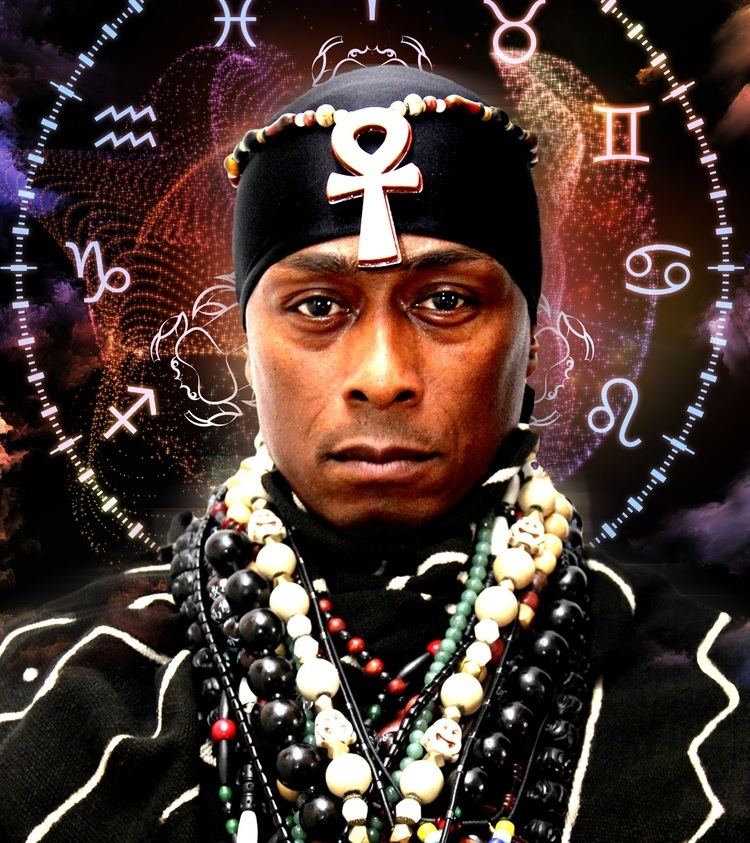
Spencer j. Quinn reviews K. M. Breakey’s “Britain on the Brink”

K.M. Breakey
Britain on the Brink
Independently published

“They say I’m radicalized,” said Ozzie, as if reading Jack’s mind. “Bollocks. I’m de-programmed, that’s all. I see the world as it is. I’m no bloody criminal. I’m a patriot who’s had enough.”

***

Serial fiction has always been a great way to preserve not just characters and storylines, but also the real-life cultures and milieus surrounding them. In many cases, it uses what’s known in television as the law of the expanding middle. In classic Aristotelian fashion, there’s a beginning, of course, but once you reach the middle, you never seem to reach the end of it. The middle expands. The whole point was to keep Gilligan on that island at the end of every episode, despite how hard he and his friends had just tried to escape. Each installment is not quite a sequel; rather it’s an opportunity to place familiar characters with familiar goals into unique circumstance with unique challenges. For some reason, the formula works well with pairs: Don Quixote and Sancho Panza, Fafhrd and the Gray Mouser, Holmes and Watson, Bertie and Jeeves, just to name a few.

Thanks to K.M. Breakey’s 2025 novel Britain on the Brink, the Dissident Right now has its dynamic duo of serial fiction, which will hopefully one day rival the above pantheon. Jack Campbell, a corporate banker and family man, has taken the red pill, but keeps quiet about it for the sake of his self-made fortune and domestic bliss. But he’s not above drinking a pint or two with the lads down at the pub. There he invariably finds his best mate Oswald “Ozzie” Fletcher holding court over the decay of his beloved England. Ozzie says he doesn’t care about football (a.k.a. soccer), but holds court over that as well. He’s just annoyed that so many of the players in English kits are really foreigners. Quickly the reader realizes that these men are beyond conservative, beyond reactionary. They are dissidents who pine for the day in the not-so-distant past when England was truly, ethnically, English. They resent mass immigration into their country, and they have contempt for their traitorous government who allowed it to happen. When lathered up with enough beer, they can get pretty vociferous about it.

In their entertaining exchanges, Ozzie plays the id to Jack’s ego, and there really is no super ego holding them back. Yet Ozzie has a soul. There’s just almost no space between love and hate with him. One moment, he’s as loyal and true as a puppy dog, and the next he is an enraged rottweiler chomping at the bit. It’s all instinct and action with Ozzie, and he’s got the scars from countless brawls to prove it. He’s a working class bloke who knows what’s right and is willing to fight for it. With Jack however, we have forethought and urbanity doused with a healthy appreciation of danger. He’s not averse to taking risks, as long as they are calculated risks. He didn’t climb up the corporate ladder and make a big success out of himself for nothing. Unlike Ozzie, however, Jack also has something more than just his career to lose: namely, his wife and two young children.

With Jack and Ozzie, Breakey has given us a great team, one that’s ready-made for adventure. And since both men are at heart English identitarians in an age when English identitarians are openly suppressed in their homeland, there’s plenty of adventure awaiting them.

By chapter three, we learn that the central conceit of Britain on the Brink is time travel. Jack discovers quite out of the blue that he has the ability to produce visions which allow him to will himself back in time. His first stop is the 1966 World Cup, which Breakey describes in loving detail. Jack witnesses not only the crowning achievement of British football, its 4-2 victory over West Germany, but how unified, peaceful, and natural England was back when all of its inhabitants were white. He’s mesmerized because prior to this, he had experienced only multicultural, multiracial England with all its crime, terrorism, and corruption. The past, as he just learned, was something else indeed:

The reality of England in 1966 – of London – had penetrated his soul with a mighty blast of ancestral recognition. Jack struggled to put language to his feelings. Finally, a suitable phrase dawned. It was as if he’d been home. A profound sense of being home. Of being whole. Of relaxing – truly relaxing – for what may have been the first time in his life.

This stark dichotomy becomes one of the main themes of Britain on the Brink, and as it unfolds we learn that Jack Campbell is quite the dissident in disguise. He has voided all civic nationalism from his worldview and replaced it with blood and soil. He appears like a normie to his employer and even at times to his wife, but at heart he knows that Ozzie is pretty much right about everything—even if the poor tosser is almost always wrong about what to do about it.

As Jack gets a handle on his time traveling abilities, his knowledge of English history comes to the fore. Most notable is his interview with Enoch Powell in 1974, six years past the statesman’s famous “Rivers of Blood” speech. Jack attempts to persuade the old patriot to refocus on immigration, and focus less on distractions such as the Irish Question. He also tries to wean him off the good war myth of the Second World War. He gains the man’s trust by showing him his cell phone, with all its apps and cached news items of 2025. More impressed by the degeneration of his nation than by the dazzling technology, Enoch ultimately believes that Jack is from the future. If Jack can change Enoch Powell’s mind, could he possibly change history?

It takes Jack several trips back in time to even begin answering this question. Time travel, apparently, is complicated. Meanwhile, another atrocity rocks England as the press slowly and reluctantly reveals that knife-wielding Muslim terrorists had just slaughtered a number of children in Jack’s hometown of Newfordshire. With the recent stabbings in Southport on everyone’s mind, anger is brimming in Jack’s circle. Ozzie in particular is outraged and heads down to the quaint little hamlet with a carful of his mates in order to protest.

“Hey, we’re Englishmen,” he tells Jack. “We’re civilized. We’re not gonna riot. But we are gonna make our voices heard. We’re gonna stand our ground – because it is our ground. It’s our country damnit.” And since “civilized” is not exactly the first word one would use to describe a beautiful thug like Ozzie, it won’t take a prescient reader to get a feeling that something else really bad is going to happen in Newfordshire. Can Jack’s still-shaky time traveling techniques save the day? And will he be able to navigate through all the ominous sci-fi paradoxes that surprise him at every turn?

Britain on the Brink has a lot of things going for it. It’s an easy breezy read, the plot never lets up, and the two main characters never stop developing. Suspense and action balance nicely with introspection and emotion. Breakey has a knack for history, and believably reconstructs England from the past—the 1960s, 1970s, and 1990s, mostly, but with references that go way back before that. He peppers his dialogue with cockney rhyming slang as well as a good deal of English wisecrackery. When Ozzie delivers it, it can be downright funny. My favorite:

Jack went straight to the point. “This is gonna sound crazy, but we’re going back in time, Ozzie.”

Scoff. “Pull the other one, mate. It’s got bells on.”

Breakey also has a sharp dissident mind, and places the right talking points in his dialogue and narration. It’s all there, from justifying British colonialism to highlighting British exceptionalism, from underscoring the savagery of non-whites to condemning the cowardice of the cucked British elite. Clearly, Breakey has kept up with dissident literature. The story is very British as well, with references galore to that island’s history. And it is relevant history, such as the HMT Empire Windrush or the 7/7 bombings, which the non-native reader might have to learn further about online. It must be said that Breakey for the most part skirts the Jewish Question, but he does address it at one point, albeit obliquely. This might work in his favor after all since Britain on the Brink will also serve very well as young adult literature—and we all know that the JQ may not the best thing to lead with when reaching out to young readers. And yes, there is a lot of swearing, but it’s not the tasteless, gratuitous kind; rather it’s just men being men, sounding off while their people and their nation are in peril. When the inveterately unfiltered Ozzie does it, you have to laugh:

Jack shook his head. He was accustomed to his posh life with Lily and the kids – nice house, fancy car, creature comforts. “I choose to remain a member of polite society. Associating with you is dangerous enough.” It was a small joke, but there was truth to it.

“There won’t be polite society in ten years.” said Ozzie, as if reading Jack’s mind.

“The media’s already talking about—”

Fook the media, the bastards. They’re not reporters, they’re propagandists. Regime whores. Call ’em what they are.”

Britain on the Brink is part one in Breakey’s First World Adventures in Time and Space series, and if the title is any indication, time travel will play a large role in it—as well as, I hope, the sparkling interplay between Jack and Ozzie as they team up to save England and the West. One of the best things about the series, however, is that Breakey does not attempt to explain how Jack got his time travel powers to begin with. Instead, he describes it as a God-given gift. It’s as if the Almighty is looking out for the Brits because they’re on some kind of special path. No ethnic group, no race can thrive without the rock solid belief that they are loved by their Creator and are on some kind of special path. Fittingly, Breakey starts his novel with the following quote from the great colonialist Cecil Rhodes: “Remember that you are an Englishman, and have consequently won first prize in the lottery of life.”

Jack may not feel this way in 2025, but in 1966 he cannot help but feel this way when his team of native-born Britons defeats West Germany in the World Cup, and 85,000 of his delirious countrymen join together in a rendition of “Rule, Britannia.”

Rule, Britannia! Britannia, rule the waves!
Britons never, never, never will be slaves.

If Britain on the Brink imparts anything, it’s that the English—and indeed white people everywhere—can achieve this level of unity and identity once again.

Reposted from Counter-Currents, with permission.

US Media, Churchill, and the end of free Britain: Churchill set a bad example

Last Friday, August 8, two prominent US Media outlets coincidently carried articles vividly demonstrating the sorry state of the United Kingdom and of the country’s historiography.

The Neocon-controlled Wall Street Journal wheeled out prominent British historian Andrew Roberts to launch Why the Far Right Hates Churchill.

From its position high up the Right food chain, ZeroHedge posted Why Britain Arrests 30 People Every Day For Speech by Taylor Durden.

The WSJ piece, unusually, was posted outside the Paper’s paywall. The Drudge Report, now of course a news aggregator for Establishment Democrats, linked to the essay for an unusually long time. This was a smear which important elements wished to propagate.

The WSJ/Andrews essay is simply an attempt to utilize the widely-revered Churchill legend to shut down consideration of the wisdom of British WWII policy, and by extension the foreign policy of today. Andrews says

“Today’s revisionists project their views about Iraq, Afghanistan and now Iran backward through history and denounce the leading global interventionists of yesteryear.”

The reciprocal of this is equally true.

Andrews intones:

Churchill …stands watching over a world order that is now challenged by, among other things, a populist far right whose influence is spreading dangerously.

His position seems to be that the catastrophic and ongoing damage done to the UK by WWII (which he never mentions) is of no consequence compared to the achievement of destroying the Third Reich.

An American NeoConservative could understandably take this view. But Roberts is an Englishman still living there.

The ZeroHedge piece is an annotated reprint complete (with video) of an essay of the same title at Modernity News. It is a current account of the astonishing eradication of free speech underway in Britain, for centuries renowned for not repressing opinion.

Apart from supplying the startling ‘Arrests 30 people everyday’ headline the interviewee, founder of the UK’s Free Speech Union Lord Young of Acton

…warns of broader threats to free expression…including a quarter-million non-crime hate incidents recorded…often for online posts challenging government narratives on immigration

In the opening minutes of the video, Young directly says he expects further tightening and from 8:00 explains how free speech protections in the legislation have been circumvented.

The sick truth is that Britain’s “Conservative” Party is equally responsible for this murderous attack on British historic rights. I discussed this in UK: Totalitarian Night Descending. Social liberals have been in control of the Tories for over two generations.

In his 1995 book Alien Nation Peter Brimelow wrote

There is a sense in which current immigration policy is Adolf Hitler’s posthumous revenge on America. The U.S. political elite emerged from the war passionately concerned to cleanse itself from all taints of racism or xenophobia. Eventually, it enacted the epochal Immigration of 1965

This also applies to the UK – Tony Blair actually confirmed this in his 2010 autobiography. And of course it applies to matters of Race generally. WWII poisoned public discourse, as Diana West has persuasively argued.

But it was not necessary to wait so long to realize that WWII was an unparalleled catastrophe for Britain. The Americans plundered all her huge foreign assets and drove her deeply into debt. (Unlike the aid to the USSR, Lend-Lease to Britain was not a gift.) The Soviet Union had seized half of Europe and very likely would have taken the rest had it not been for the Atomic bomb. That was just an unproven dream when the key war decisions were made in 1939–40. To control the always treasonous impulses of the Left, Churchill during the war handed control of domestic policy to the Labour Party. Fortified by this, Labour held power from 1945–51.

As a result, Britain was forced into a socialist straight jacket which crippled the economy until the Thatcher years in the 1980s. And of course, Labour eagerly set about destroying the British Empire.

I do not blame Churchill for the British decision to go to war in 1939. He was not in Government, and although he was a major leader of anti-German opinion, it was clearly the consensus of British elite opinion that Hitler had become an insufferable nuisance.

But I do hold him responsible for the decision to fight on after the Fall of France in 1940.

By this time the British had fought literally scores of wars, by no means all of them victorious. They were experts at shutting wars down. When Churchill engineered the decision to fight on (and subsequently ignored all peace feelers) he was defying a central characteristic of British statecraft.

I have discussed this situation at length in Why Did Churchill Have Britain Fight On After Summer 1940? It’s Bad News. Not only was this action contradictory to British traditions, but it is anomalous set against his own record of longsighted sagacity both before and after WWII. (His Iron Curtain Speech of March 5, 1946, was disavowed by the Truman Administration; He tried hard in 1954 to get his “Conservative” Cabinet to curtail colored immigration into Britain.)

Clearly Churchill enjoyed leading the Country in war. But the frightful experience of the early ‘40s should have satiated anyone let alone a Statesman thinking about the future.

I am afraid the answer is that apparently first discovered by the ultra-taboo historian David Irving. (On David Irving as an Historian, I commend Ron Unz’ definitive exculpation: The Pyrrhic Attack on David Irving). The fact is that from March 1938 Churchill was completely dependent financially on one Sir Henry Strakosch. Having bailed him out from the consequences of the American stock market collapse of 1937-8 with a vague but substantial soft loan arrangement, Strakosch made another smaller payment in June 1940, after Churchill had become Prime Minister on May 10.

In his extraordinary 2015 book No More Champagne: Churchill and His Money which draws on Churchill’s actual financial records, author David Lough drily comments of the 1940 transaction:

The amount reached Churchill’s account on 21 June. Thus fortified, he paid a clutch of overdue bills from shirt-makers, watch repairers and wine merchants before he turned his attention back to the war.

Both payments rescued Churchill from insolvency. A Bankrupt cannot be a Member of the UK Parliament.

Who was Sir Henry Strakosch? He was a Jew, born in the Austrian-Hungarian Empire, who migrated to England in 1891 and thence to South Africa. There he made a fortune promoting gold mines. He became a British citizen in 1907 and was knighted in 1921. He spent the interwar years in London, interesting himself discreetly in public affairs.

Henry Strakosch - Alchetron, The Free Social Encyclopedia

From the early 1930s he was supplying Churchill with information on the German military buildup, about which he was presciently concerned.

The plain and ugly fact is that when in summer 1940 Churchill was facing the most momentous decision in modern British history, an anti-Hitler partisan had him by the financial throat.

Since David Irving discovered this story, most biographers of Churchill have simply briefly mentioned the 1938 transaction without analysis or comment.

But Andrew Roberts in his 1,152 page 2018 book Churchill: Walking with Destiny handled this awkward matter differently. He made no mention of Strakosch at all, except for one from October 1943, This however is extremely significant.

Roberts quotes from the diary of Churchill’s long time private secretary saying Churchill was exuberant the day after Sir Henry died, telling her the Strakosch Will expunged the Churchill debt and additionally left him a similar sum.

This means that more than 4 years into the war, Churchill had still been apprehensive about the hold Strakosch had on him.

On reflection, it is quite appropriate that the Wall Street Journal should mobilize the Churchill name to delude the peasantry.

After all, it is clear to those who pay attention that the US foreign and immigration policies of recent decades which the WSJ has supported have also been maintained by (much more massive) bribery.

From Patrick Cleburne’s Substack: US Media, Churchill, and the end of free Britain. Posted with permission.