Lothrop Stoddard’s “The French Revolution in San Domingo,” Part 2
There were complex combinations of oppositions according to race and class. On one hand, poor Whites and wealthy Whites saw a common interest in opposing the mulattos, some of whom were wealthy. From the standpoint of the poor Whites, the wealth of his perceived racial inferiors was particularly galling. In 1789, when the French Revolution had compromised the power of the Royal government, the wealthy Whites “anxious for poor white support, were not likely to embroil themselves to protect their race opponents [i.e., the mulattos]. By this time the local offices were becoming filled with poor whites, and to the will and pleasure of these new functionaries, the mulattoes were now delivered almost without reserve.”
On the other hand, the lower-class Whites (described by Stoddard as “mostly … ignorant men of narrow intelligence”) engaged in class war against wealthy Whites: They were “too short-sighted to realize the results of white disunion or too reckless to care about consequences.” They excluded upper-class Whites from voting by “violence and intimidation.”
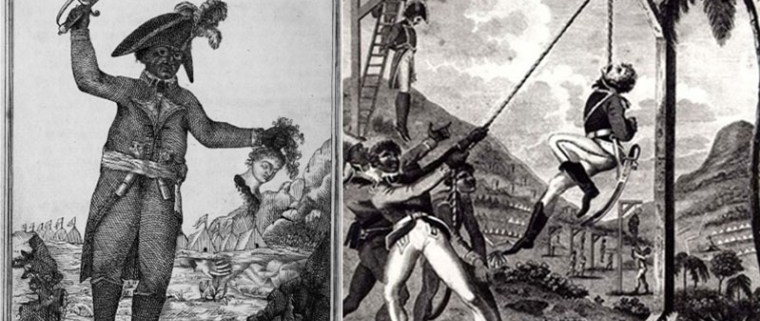
Some observers have argued that the revolutionary ideals of moral universalism were an ingredient in the revolt of the non-Whites. Stoddard quotes approvingly an observer who attributes the fervor for revolt among slaves and mulattos to their being exposed to revolutionary rhetoric. “To discuss the ‘Rights of Man’ before such people—what is it but to teach them that power dwells with strength, and strength with numbers!” Stoddard expresses his own view that “there seems to be no doubt that the writings and speeches of the French radicals did have a considerable effect on the negroes.” And he provides the conclusion of contemporary investigations: “Both the existing evidence and the trend of events combine to show that the great negro uprising of August 1791 was but the natural action of the Revolution on highly flammable material.” Read more