Ancient Sparta: The First Self-Conscious Ethnostate? Part 3: The Virtuous Circle of Spartan Power
The Virtuous Circle of Spartan Power: Discipline Through Lordship
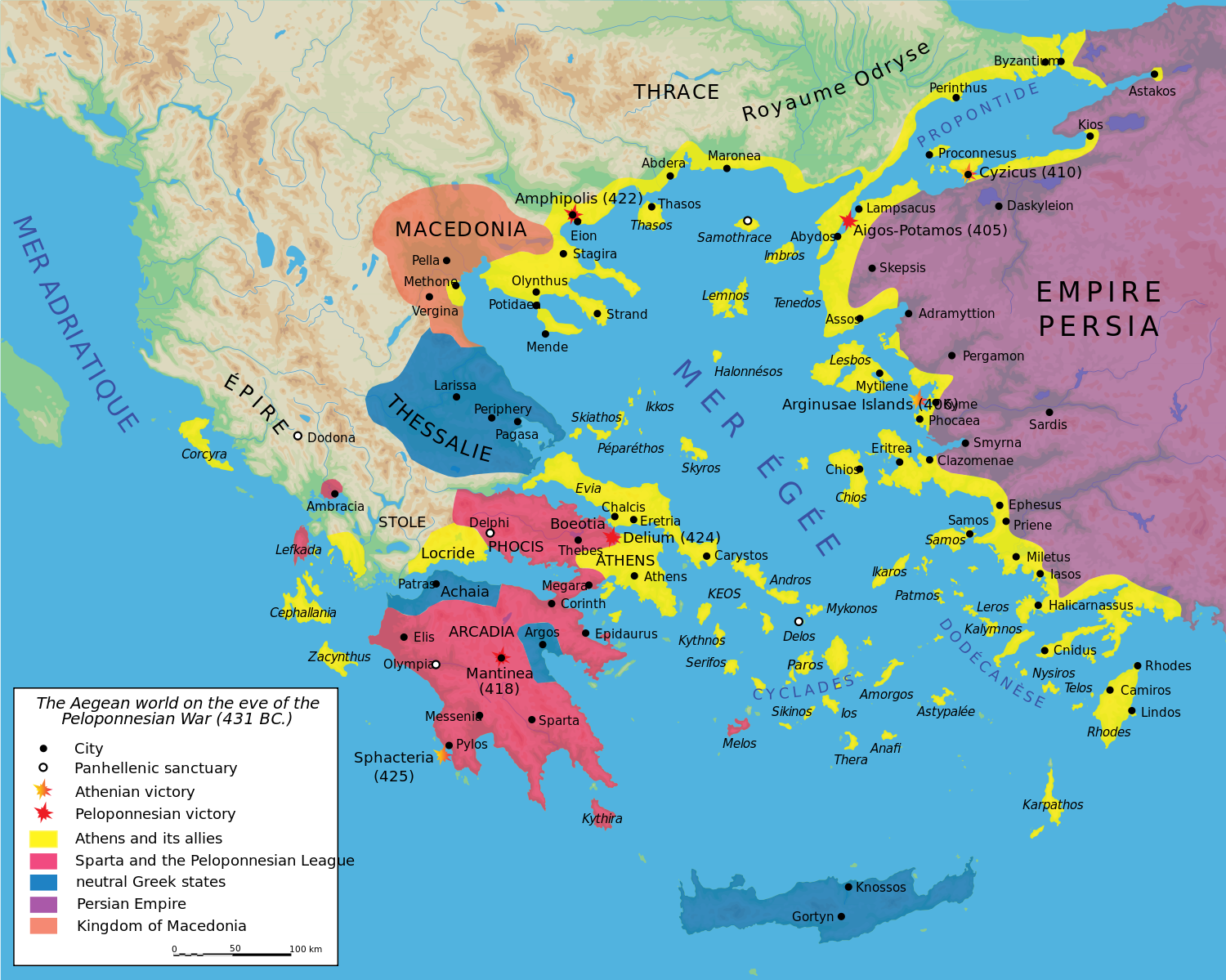
The defining fact of Spartan life was the hard-won conquest of neighboring Messenia in the eighth century and the enslavement of its population as Helots. This victory had launched the virtuous circle of Spartan power. The subjugated Helots provided the Spartan citizen-soldiers with both the leisure and the imperative need to dedicate themselves to martial prowess in the face of a constant threat of rebellion at home. The entire social organization of Sparta came to reflect this state of affairs. Thucydides noted: “most Spartan institutions have always been designed with a view to security against the Helots.”[1]
The system instituted by Lycurgus proved remarkably successful for centuries. The organization and training of the—at their height—around 8,000 Spartan citizen-soldiers to suppress the Helots also translated into international military power, which in turn allowed Sparta to secure allies and thus yet more military power in the Peloponnese. Xenophon opens his account of the Spartan regime saying: “Sparta, despite having one of the lowest populations, had nonetheless clearly become the most powerful and most famous state in Greece.”[2] The unsentimental Thucydides says of Sparta: ‟its system of good order is very ancient and it has never been subject to tyrants. Read more