To Vote or Not to Vote?

Our once great nation seems to be coming apart right before our eyes. Americans are perhaps more divided on social and political matters than at any other time throughout its history. Not only are we experiencing a recession and a proxy war against Russia on behalf of Ukraine that’s costing taxpayers billions each month, but crime throughout the country has skyrocketed (at least in every Blue state and major city). Anti-White rhetoric in the public sphere is not only viewed as perfectly tolerable, but it’s increasing as well. Jewish activist groups such as the ADL are on the constant warpath to stamp out even the slightest whiff of any perceived “anti-Semitism.”

The federal government lies openly to the American people, and a complicit media makes certain to obfuscate any information that might place the Biden administration in a poor light—right now they’re gearing up to intimidate witnesses who might shed light on the Biden family influence pedaling scams. Gay marriage, Transgender acceptance, Critical Race Theory and drag queen story hour are unashamedly promoted by our public-school systems. District Attorney Office’s throughout many U.S. states are intentionally lenient in terms of sentencing Black and Hispanic criminals as a means of eradicating “systemic racism” from the justice system. This not only perverts justice, but it exacerbates the nation’s widespread crime problem since offenders are continuously released back into the same communities they’ve victimized.

The 2020 presidential election was fraught with fraud, and the recent mid-term elections seemed to have had its fair share as well. All of this and more has led some to decry that the entire system is “rigged,” and that voting is “useless.” Whether it’s Democrats or Republicans, the entire Congress is corrupt (save a select few members). Congressional treason becomes even more evident when one realizes that commitment to Israel’s security is their top priority, including giving billions annually to the nation for their military defense. Putting “America first” is evidently the farthest thought from our Congress.

Claiming that America’s two-party political system is nothing more than a “uniparty” seems at times to have some validity. Both Democrats and Republicans, for example, support illegal immigration, although for different reasons. The Democrats see illegals as their new and growing voter base, whereas Republicans see them as cheap labor for corporations and small businesses. Everyone seems to win except the average White American whose country is slipping away right before them.

Republicans and Democrats largely agree that racial ‘diversity’ is a good thing for the country. Both parties also support “gay and LGBTQ+ rights.” Both Republicans and Democrats maintain unwavering support for Israel and are committed to stamping out every vestige of “anti-Semitism.”

None of this is good for Heritage Americans who wish to maintain an authentic connection to the vision of their nation’s Founders.

Along with these discouraging realities comes the chorus to abandon voting altogether, to disengage from the corrupt political system, especially when one recalls the level of obeisance Trump gave to Jews and Israel. Governor Ron DeSantis, if ever elected to the highest office in the land, will prove to be no better than Trump in this regard. Neither will Gov. Glenn Youngkin of Virginia. GOP leadership has a long record of not providing their party with a true reformer, a fighter who’s willing to get dirty with the Democrats. The closest we’ve had was Donald Trump, and he was despised from the very outset by establishment Republicans. He managed, unfortunately, to also discredit his own efforts by appointing persons to his administration that undermined him at every step. Trump also failed to stay on target and to fulfill his campaign promises.

One writer, Richard Solomon, has expressed in clear terms the futility of voting and playing the Republican-versus-Democrat election charade:

What makes voting such a destructive psyop is that we’re in a never-ending election cycle. A lot of people exert much of their emotional energy on the Red vs. Blue puppet show. I think it would be psychologically healthier to accept that voting in a dictatorship is as much a waste of time as fitting Janet Yellen with a chastity belt. I understand why some cling to the “we live in a democracy” fantasy. Reality can be harsher than sandpaper underwear. (“Breaking the Voting Psyop Addiction,” The Unz Review, November 23, 2022)

It’s hard not to empathize with Solomon’s article; he makes some valid points. It’s easy to get so disgusted with the current situation of the country and just throw up one’s hands and give up. I seriously doubt, however, that such an approach will prove fruitful in the end. Oh sure, it sounds good in theory. As Joseph Stalin once said, “It’s not the vote that counts, but who counts the votes.” Of what value, then, is voting in such a corrupt and rigged system? If you try to engage the system by voting or accept its validity, you only prove what a gullible sheep you are, right? But what it amounts to is nothing more than an emotional temper tantrum declaring that it’s all pointless, that the situation is hopeless and there’s not anything we can do about it.

Reading through Solomon’s article one finds no remedy or alternative to not voting. Perhaps he will provide one in a later article, but I couldn’t find anything that might give us some direction on these matters. Yet that seems to be the crux of the problem when declaring that voting is futile — namely, the absence of plausible alternatives and solutions. If dissidents on the right were to stop voting, then what? What would be our next course of action if any?

Even if one is convinced that voting is foolish, deeper and more practical questions still need to be addressed. If millions of sane, politically conservative people throughout the U.S. suddenly declined to vote, what would this lead to? Would the Democrats stop voting too just because we withheld our vote? Their inevitable landslide victory would surely be interpreted as a “mandate” to fulfill the entirety of their cultural Marxist agenda. That’s how they’d see it, and that’s precisely how it would be reported in the mainstream media. And once their candidates win by such a massive margin, what’s to stop them from creating legislation that would place all of us “dissenters,” “racists,” “anti-Semites,” and MAGA folks into concentration camps? You think the Democrats wouldn’t do it if they knew they would face little political resistance or consequences? Think again.

And how would refusing to vote impact our Second Amendment rights? Democrats would make certain to pass laws that would completely eradicate such rights. It would turn every right-leaning gun owner into an enemy of the state. Gun confiscation, then, would not be only a possibility but an undeniable reality. Our people would fall prey to marauding groups of Black criminals, especially among those who are unable to escape our major cities.

If we all refused to vote, then should we also refuse to hold our elected representatives to account for how they vote on our behalf? Does anyone seriously believe that those in office will more faithfully represent their voter base when we abandon any effort to participate in the election process?

Perhaps the Democrats would sympathize with our plight? Get real. Our political opponents don’t play by the same set of rules, nor will they be inclined to have mercy on us when they literally view all conservative White Americans as “racist, Hitler-loving, White supremacists.” Yes, this is how incredibly stupid and evil Leftists are. There is no balance or nuance in their thinking. If anything, history has proven how easy it is to get seemingly “nice people” to engage in the worse kinds of atrocities.

Perhaps large numbers of Democrats would see our point in refusing to play the game of voting? Maybe then they will listen to our message and see the utter futility of it all? Nope, none of this would happen. They would not seriously ponder anything we’ve said nor any political protests we might engage in, no matter how empirically sound and data-driven our ideas (Is diversity really a strength?). They would not come to their collective senses once we declared that we have abandoned the voting charade. They will only see themselves as winners and all of us as losers. And then comes their great payback in which they would seek to punish every one of us. They would not be persuaded by reason, nor would their wrath be assuaged.

Our non-voting amounts to non-resistance in the public sphere, an admission of sorts that the Democrats have better ideas and better solutions to our nation’s problems. And that’s exactly how the media would spin it and how the average American simpleton would interpret our complete abdication of our voting rights.

Jewish elites, of course, would get everything they wanted as a result — even more than what they have now! By not voting and forming a political resistance, we will essentially hand them all they want from us. And they will make sure to “reward” us nicely for it too. Whatever resistance we might have on social media now would be cut off as they’re certain to censor and de-platform all dissenters.

You think the next pandemic is going to be harder for our elites to implement when they know full well that more than half the country has given up their voting responsibilities? They will proudly declare that we have surrendered and have discovered the wisdom of submitting to their great plans for all Americans.

Perhaps someone’s going to suggest that all of us non-voters will unite and fight off the government. Oh sure, that’s going to be a marvelous success! And a whole lot of our people will be killed as a result. Why should we expect that a military conflict with the federal government would prove successful when half of the American population can’t even agree on what constitutes a marriage or gender. Most Americans have been dumbed down too badly to even understand what we’re trying to say to them. Racially conscious Whites are also too busy with constant infighting among themselves, so the likelihood of them uniting in any significant way is slim at best. Most Whites are unwilling and unprepared to fight government tyranny with arms despite what some “second amendment patriots” claim. They’re much too comfortable and well-fed.

Granted, the Republicans are nothing to praise, but by them filling seats in both the House and Senate, we at least maintain a congressional gridlock until the situation improves. And there are good reasons to believe things might improve.

There has been a growing resistance to the old guard within the Republican Party, and some headway has been made in reforming or at least improving it. Granted, it’s not where I want it to be, but to simply throw up our hands and declare “Don’t Vote!” will place us on a pathway full of even greater troubles than we’re currently experiencing. The Democrats will make sure to exploit every ounce of it too.

Despite his many faults, Trump at least awakened millions concerning the Washington Swamp, illegal immigration, and even made statements opposed to our current high levels of legal immigration based on nothing but family connections and a desire to come to the US. Racial issues that Republicans refused to even entertain just seven years ago, are now openly discussed. Whites in America are becoming more politically informed, and a growing number of them have a great distrust in their government. There is talk openly of secession by White Americans, an idea that was laughable a decade earlier. A growing number of patriotic Americans speak freely about how evil their government is. They are also disgusted by increasing levels of Black crime throughout the nation. Black Lives Matter, Antifa, and ‘woke’ ideology are reviled by these same patriotic Americans. More Whites are becoming “red-pilled” on race and politics. Elon Musk’s takeover of Twitter may well prove to be a watershed moment.

All of this is working well for us despite setbacks now and then.

Conservative and evangelical Christians are also opposed to ‘woke’ propaganda. The only ‘Christians’ who support such ideas are liberal Christians and, contrary to what many think, their numbers are dwindling. Their churches are largely empty. Those “Bible-believing” Christians, on the other hand, would agree with many things we believe, much more so than the average liberal Democrat. Thus, rather than viewing them as enemies with all the accompanying epithets (e.g., “Christ-cucks”), we would be wise to view them as potential allies in resisting the Leftist matrix that has been imposed on all of us. This doesn’t mean we have to agree with their religious views (especially those pertaining to Israel), but simply an acknowledgement that there is more socially and politically that unites us than divides us.

It’s important to also recall that it’s not Christians who are calling for atheists or race-realists to be de-platformed and censored. Christians are not brutally attacking those who differ from them on social or political issues. No, this is what the Left does. Whatever one may think of evangelical, Protestant, or Orthodox Christians, they are not leading the charge to take away freedom of expression nor to persecute political dissidents.

Another thing to consider is how swiftly the Democrats have worked to destroy and make unlivable much of the country. They are their own worst enemies, and in some respects, they are driving many Americans to our camp. Democrats don’t seem to be able to temper their insanity — it’s on a feed-forward cycle that gets ever more insane. This will inevitably result in our favor. Americans can put up with a lot, but take away their comforts, their freedoms, tax them at even higher rates than currently, or endlessly propagandize their children to be freaks and degenerates — an ideological agenda that Democrats are unwilling to part with — and there is going to be hell to pay. Most people just want to be left alone. They want societal peace and stability — the very thing that the Democrat Party can never give them. Eventually, our national insanity will subside once enough people are forced to see what a cesspool a Democrat-run nation amounts to.

What about all the voter fraud on the part of Democrats? What use is there in voting when there are so many ways to manipulate and cheat the system? This is not easy to answer, and I don’t pretend to know how to fix the system. In person voting with a valid ID would be a great idea that would be pilloried as “Jim Crow 2.0” by the left. I’m certain that problems associated with voter fraud will not be rectified any time soon. Yet should any of that compel us to abandon all hope and stop voting? Of course not.

Part of the answer, it seems to me, is to push for greater accountability among those who oversee the process, including scrutiny over how the votes are tabulated. This places a mandate on conservative voters to make certain their elected officials are both hearing and doing something about any potential voter fraud. It’s simply an issue we will have to continuously address and ferret out.

Some have suggested that non-woke Americans break from the GOP and create a third party that would more align with our political beliefs. As enticing as such an idea may be, I doubt it would work. It would only serve to deeply divide Republicans and guarantee Democrat victories in every race. As flawed as the GOP may be, it seems better to work within the Republican party in reforming it.

With due respect to those who would differ with me on the matter of voting, I seriously doubt that a complete abandonment of our voting rights is the answer to our problems. Throwing up our hands and refusing to participate sounds good in theory when one is deeply frustrated, but it will hardly do any useful service to our people and future generations of White Americans.

Jan. 6 Trial Dismantles Jeffersonian Democracy, Corrupts Rule of Law

Vestiges of Jeffersonian principles in our present out-of-touch and out-of-control federal government are rapidly being obliterated. No events signal their demise more dramatically than the recent shameful seditious conspiracy prosecutions of the Jan. 6 defendants.

In the first of these, brought against five members of the Oath Keepers including its founder Stewart Rhodes III, a District of Columbia jury on Nov. 29 found Rhodes and another Oath Keeper guilty of seditious conspiracy and acquitted three others. All five were also found guilty of other offenses, e.g., Conspiracy to Impede an Officer from Discharging His Duties.

Rhodes and the other convicted defendant now face up to 20 years in prison on the seditious conspiracy charge, plus additional time for the other offenses. Two other seditious conspiracy trials are scheduled, one against other members of the Oath Keepers and a second against the Proud Boys.

These prosecutions should never have been brought and would not have been brought if men such as Thomas Jefferson still held sway in our government.

The seditious conspiracy statute at the core of these prosecutions traces its origins to a law passed in 1861 during the Civil War but is similar to the seditious conspiracy section of the 1798 Alien and Sedition laws that caused such bitter discord between John Adams, who advocated them, and Thomas Jefferson, who vehemently opposed them, that the two Founding Fathers did not speak to each other for nearly 12 years until 1812 when they reconciled in a profound and remarkable series of letters.

When Jefferson became president in 1801, he allowed the Alien and Sedition laws to expire and pardoned those who had been convicted under them. Although Jefferson and Adams were locked in cold silence, Adams’s wife, Abigail, in 1804 sent Jefferson a letter chastising him for pardoning a man convicted under the law who had make scurrilous statements about Adams.

Here is Jefferson’s response:

I discharged every person under punishment or prosecution under the Sedition law, because I considered and now consider that law to be a nullity as absolute and as palpable as if Congress had ordered us to fall down and worship a golden image; and that it was as much my duty to arrest its execution in every stage as it would have been to have rescued from the fiery furnace those who should have been cast into it for refusing to worship their image.

Jefferson also condemned the sedition law as “palpably unconstitutional” in his Kentucky Resolutions, which he published anonymously in 1798, apparently fearing he himself might be prosecuted for sedition.

We can, accordingly, state with confidence that Jefferson would never have approved the prosecution under the Seditious Conspiracy Act of the Jan. 6 defendants. Jefferson knew all too well that linking the amorphous concept of sedition with the equally unbounded concept of conspiracy and then putting this combination into the hands of an intrusive and politically biased government was inimical to civil liberties.

The Biden administration, by contrast, through its Department of Justice (DOJ)—a title that has become as ironical as Orwell’s Ministry of Truth—and with massive assistance from the FBI, which is becoming more and more like a Praetorian Guard, devoted enormous resources to deploying the rarely used Seditious Conspiracy Act against the hapless and overwhelmed Jan. 6 defendants. To add insult to injury, the DOJ has employed numerous illicit and unfair tactics to justify its indictments and obtain convictions. Prominent among these improper tactics were the following:

FBI Informants

Credible reports indicate that several Oath Keepers were not indicted even though they were as involved in the Jan. 6 events as the Oath Keepers who were indicted. This supports an inference that many of the Oath Keepers were colluding with the government as informants or agents. Several docket entries in the Rhodes trial bolster this inference, including a Sept. 23 order from Judge Amit Mehta, granting the government’s ex parte motion to conceal from discovery “undisclosed civilian witness information.” Most tellingly is a Nov. 8 “Notice Regarding Potential Violation of Protective Order” that the government filed under seal (to prevent the public from reading it) but which, apparently by clerical error, was placed on the public access docket. In this notice, the government bitterly complains that information had been leaked (and picked up by The New York Times) about one of the FBI’s confidential human sources, one Greg McWhirter.

McWhirter, a black Montana deputy sheriff, had risen in the Oath Keepers organization to the rank of vice president. Rhodes often mentioned him as evidence that the Oath Keepers was not a racist organization. During all this time, however, it appears McWhirter was an FBI informant or agent. To add yet another layer of nefarious FBI conduct, and this a bizarre one,  Rhodes defense counsel were planning to call McWhirter as a witness, apparently  to expose his role as an agitator. Yet, as the FBI informant boarded the plane for his scheduled court appearance, he suffered heart trouble and could not testify. He is only 40 years old.

Intimidation of Defense Witnesses

It is undisputed that the FBI visited certain defense witnesses shortly before they were to testify, supposedly to apprise the witnesses of the consequences of testifying in certain ways, i.e., that the witnesses themselves might be prosecuted. The defense rightly objected to these FBI visits, but Judge Mehta seemed untroubled by them. But who among us would not be intimidated if before we were to testify in a highly charged political trial we were visited by the FBI, who warned us we could become targets for prosecution if we testified in certain ways?

Coerced Plea Agreements

Numerous reports from The Epoch Times, the Patriot Freedom Project, and other sources catalogue a long list of serious abuses inflicted on the Jan. 6 defendants while they were held without bail in pretrial detention. Physical beatings, deprivation of medical care, long periods in solitary confinement, deprivation of contact with family and the outside world, repeated verbal attacks—these are only some on the list of abuses.

In addition to these instances of misconduct by the DOJ and FBI, there is another important issue that hopefully the defense will raise on appeal, namely the court’s refusal to transfer venue out of the District of Columbia. The defense presented evidence showing that 71% of D.C. residents were predisposed to find the Jan. 6 defendants guilty, a number that actually seems an underestimate.

Moreover, the defense pointed out that the potential jurors were found qualified despite manifest indications of bias, including one who said they were so afraid of Jan. 6 protesters that he “cried all night, like watching 9/11 on TV” and another who had worked for Congress and was a lobbyist.

In his Kentucky Resolutions, Jefferson, a man often invoked by the Jan. 6 defendants, stated his reasons for opposing the 1798 Sedition law. Political freedom, he said, is founded not in confidence in government but in vigilant distrust of it, and therefore constitutions are necessary to bind down those we are obliged to trust with power.

The shameful Jan. 6 defendant seditious conspiracy prosecutions show how right we are to distrust our government and insist that it be bound down by our laws and Constitution.

Reprinted with the permission of American Free Press.

Glen Allen is an attorney and founder of the FREE EXPRESSION FOUNDATION, a 501(c)(3) charitable foundation dedicated to the defense of citizens denied their Constitutional right to free expression See more at Free Expression Foundation,org,  or write FEF, PO Box 65242, Baltimore, MD 21209-9998

Review: Jews and Crime in Medieval Europe

Jews and Crime in Medieval Europe
Ephraim Shoham-Steiner
Wayne State University Press, 2020.

“Jewish scholars have deliberately disregarded some of the source materials I mine in this book, out of fear of its implications for the image of the Jews, and as part of a long tradition of apologetics. Indeed, I was advised by some colleagues not to pursue the subject.”
Ephraim Shoham-Steiner, 2021. 

Thus begins Ephraim Shoham-Steiner’s Jews and Crime in Medieval Europe— a clear and remarkable enunciation of the sanitized, curated, and paranoid nature of Jewish historiography. The above statement illustrates that, while Europeans and their history have long been open to every group libel and accusation, the writing of Jewish history has always been a careful, censored, self-conscious process, designed in large part to portray Jews in a positive light or, at the very least, in such a way as to bleach out all transgressions. Arguably, Jews also engage in such activity as a form of self-deception, leading to a commonplace self-image of innocence and high self-esteem—which in turn fuels higher levels of ethnocentrism. David Sclar, in reviewing Shoham-Steiner’s text for the Jewish Book Council, comments that “con­tem­po­rary Jews do not gen­er­al­ly view their ances­tors as crim­i­nals. Jew­ish mem­o­ry, shaped by images of East­ern Euro­pean shtetls and the wounds of the Holo­caust, con­jures a past filled with meek Jews sur­viv­ing vile accu­sa­tions, cru­saders, and expul­sions.” Jewish historiography is thus less a relating of some historical truths than the presentation of a doctored image of the past. In other words, it is propaganda. Only in rare exceptions, such as Shoham-Steiner’s interesting text, do we get to see behind the curtain, and what we find there is generally disruptive to the image of the Jews we are used to.

Overturning the Lachrymose Narrative of the Jewish Past

The starting point of Jews and Medieval Crime is that Jewish historiography has been painstakingly focused on apologetic responses to historical accusations and indictments against the Jews. This isn’t an entirely new position, and Miri Rubin, in her introduction to Gentile Tales (Yale, 1999), made a rather memorable comment on the ubiquitous “tedious type of prose littered with disclaimers such as ‘it was alleged’ or ‘the Jews were unjustly accused.’” The expulsion of the Jews from England in 1290, for example, was in large part linked to their activity in coin-clipping (shaving the circumference of coins made of precious metals), and thus fraud and the debasement of the currency. In Jewish historiographical treatments of the expulsion, however, one often finds one of two tedious, disclaimer-filled explanatory strategies. The first is to suggest that Jews were not involved in coin-clipping and that this malicious accusation was manufactured for reasons of politics and bigotry. The second is to admit that Jews were indeed coin-clipping, but to argue that they did it only on a small scale and were forced into this criminal activity through prejudicial taxes and economic distress. Both strategies deny Jewish agency, and deny a “Jewish criminality” as such. Shoham-Steiner, however, points out that there were certainly cases in Europe where Jews engaged in coin-clipping in the absence of economic pressures, pointing out references to the felony in the Lemberg (Lviv) edition of the responsa of the thirteenth-century decisor Rabbi Meir of Rothenburg.

As Shoham-Steiner states, “Jewish crime was not just a figment of the medieval mind and its anti-Jewish biases. As such, it is a social phenomenon that needs to be addressed by historians.” One of the main obstacles to acknowledging Jewish agency is what Salo Baron called the “lachrymose conception of Jewish history.” Shoham-Steiner points out that this involved a

widespread way of writing Jewish history that paints the medieval Jewish experience in bleak colors, focusing on legal, economic, and social discrimination against the Jews and highlighting the persecution, pogroms, and blood libels they suffered from. Baron argued that the template used by Jewish historians was that of “the history of suffering and scholarship,” a phrase coined by his teacher, Heinrich Zvi Graetz. Acknowledging the existence of Jewish crime and a Jewish underworld would undercut the lachrymose agenda. Crime exemplifies empowerment and vitality, contradicting the bleak picture of a subdued and disempowered minority.

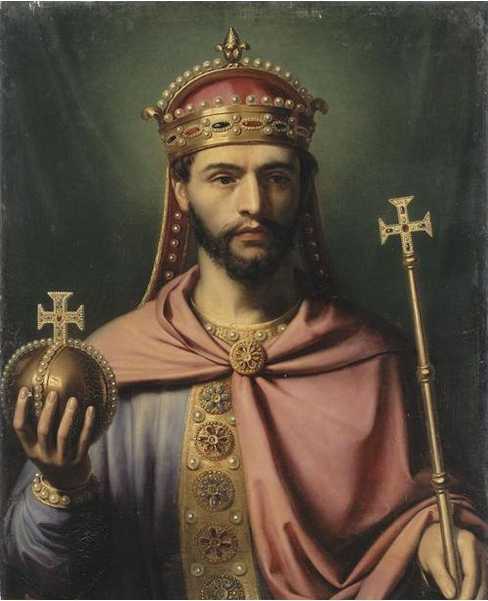
One of the more important observations found in Shoham-Steiner’s text is that Jews constituted a privileged elite, and these privileges extended to the area of crime and punishment. A common punishment for thieves in medieval Europe was trial by ordeal, most often involving the passing of the hand through flames. Shoham-Steiner points out that “immunity from trial by ordeal was one of the most important privileges obtained by Jews from the Carolingian regime in the ninth century.” Shoham-Steiner discusses one case in which a gentile thief acted at the behest of a Jewish crime lord named Shimon, but declined to name Shimon when he was caught and legal proceedings began. Shoham-Steiner comments that

when it came to the law of the land and the long arm of the authorities, the Jewish instigators and the gentile thieves did not stand on equal ground. … The gentile thief’s capitulation to Shimon’s intimidation was probably a product of his understanding that Jews with Shimon’s affluence and social standing would be favoured by authorities and their illegal activity ignored or overlooked, while [the gentile’s] illegal actions would cause him harm.

Fraud

It seems a commonplace of Jewish history and contemporary life that Jews tend to be over-represented in financial crime. Despite lackluster Jewish apologetics on this issue (Abraham Foxman’s Jews and Money: Story of a Stereotype being a particularly risible example) white-collar crime and a drive for wealth accumulation has been well-established by empirical academic studies as the most prominent feature of the Jewish criminal profile. In 1971 A. Menachem of the Berkeley School of Criminology published a study in Issues in Criminology titled “Criminality Among Jews: An Overview.”[1] Menachem argued that “the Jewish crime rate tends to be higher than that of non-Jews and other religious groups for white-collar offenses, that is, commercial or commercially related crimes, such as fraud, fraudulent bankruptcy, and embezzlement.” In 1988, Yale University’s Stanton Wheeler published “White-Collar Crimes and Criminals” for the Yale Law School Legal Scholarship Repository. Among Wheeler’s findings were that while Protestants and Catholics were under-represented among white-collar criminals relative to their share of the population, Jews were over-represented to a very large degree (2% of the population, 15.2% of white-collar convictions). Wheeler states that “It would be a fair summary of our data to say that, demographically speaking, white-collar offenders are predominantly middle-aged white males with an over-representation of Jews.” While Stanton’s statistics are enlightening in themselves, a more detailed picture emerges in David Weisburd’s Yale-published Crimes of the Middle Classes: White-Collar Offenders in the Federal Courts (1991). Here Weisburd informs us that although Jews comprise only around 2% of the United States population, they contribute at least 9% of lower category white-collar crimes (bank embezzlement, tax fraud and bank fraud), at least 15% of moderate category white-collar crimes (mail fraud, false claims, and bribery), and at least 33% of high category white-collar crimes (antitrust and securities fraud).[2]

It’s really not all that surprising then that Shoham-Steiner finds fraud to be one of the most prominent Jewish criminal categories of the medieval period. Shoham-Steiner relies heavily on rabbinic responsa (case law) in order to flesh out his analysis of Jewish criminal activity, and this often involves “reading between the lines” of rabbinic injunctions. He points out that many of the regulations contained within Sefer Hasidim, a thirteenth-century collection of ethical, ascetic, and mystical teachings of the Ashkenazi Jews, take “as a given that Jews habitually dealt in stolen goods and traded in them regularly; implicitly, it permitted Jews to buy, sell, or accept as collateral goods without reference to their provenance, as long as they were not objects of religious significance.” This last proviso was included not as a form of deference to the sensibilities of the host population, but as a matter of Jewish communal security. Shoham-Steiner argues that it was thought “extremely dangerous” for Jews to trade in such items because “gentiles were likely to believe that the objects were obtained not for commercial purposes but for acts of religious desecration, mockery or sorcery. Such dealings thus put not only the trafficker but the entire community in danger.”

Aside from the trade in stolen goods, there are examples in the text also of common fraud, such as the selling by Jews of “silver” objects to gentiles that were later discovered to be composed primarily of copper. Shoham-Steiner refers to the late-fifteenth-century ethical codes and communal regulations of the Jews of Candia (modern Heraklion in Crete), arguing that “the language suggests that Candian Jews were indeed stealing from, defrauding, and lying to gentiles, creating animosity towards the community.” As David Sclar points out, the text “erad­i­cates any notion that the Jew­ish minor­i­ty had nei­ther the where­with­al nor the incli­na­tion to engage in illic­it activ­i­ties.”

A particularly interesting section of the book contains some information on Jewish involvement in occultism during the period. One of the common accusations of the medieval period against the Jews was that of ritual murder, as well as host desecration and other crimes of a specifically anti-Christian or quasi-demonic character. The common rejoinder is to rely on a notion of Jewish piety, and to stress there is no place in the Judaism for such dark machinations. Shoham-Steiner, however, makes interesting reference to Hebrew books of spells, including one from early fifteenth-century Italy. One spell in the book instructs thieves on how to use body parts and magic in order to carry out a successful theft:

And the thieves that go from one house to another take the hand of the dead with them. Once they enter a house they can place it in the middle of the room, and this way it causes everyone in the house to shiver and to fall asleep. And they take four burning candles and they throw diamond dust on the candles. Then they place the candles in the four corners of the house and it seems to the house dwellers that the house is rolling and moving. And when the thieves wish, they take the hand of the dead and place it on the heart of the owner of the house and they ask him where he has hidden the keys to the gold and the silver hidden in the house and he tells them about all his belongings.

Sex Crime 

Shoham-Steiner includes a substantial chapter on Jewish sex crime, especially prostitution. In one case, a Jewish cantor was accused of stalking a woman he apparently claimed to believe was a prostitute. In any case, there have been a number of significant historical incidents where anti-Jewish attacks by gentile populations have been provoked by Jewish sex crimes, illicit behavior, and a general tendency among Jews to cause a deterioration in the sexual morals of the surrounding culture. In his Cornell-published The Sephardic Frontier: The Reconquista and the Jewish Community in Medieval Iberia Jonathan Ray comments that “sexual permissiveness in general, and relations with non-Jews in particular, were often cited by Jewish reformers as the cause for communal instability and anti-Jewish attacks by Christians.”[3] Ray also cites cases where Jewish religious figures were proven to have engaged in sexual activities with prostitutes and young boys.

Many of the ritual murder stories from the period, of course, have sex crime subtexts, since many of the young boys alleged to have been murdered by Jews were found naked as well as wounded. There were indeed cases during the period where Jews had violently attacked Christians in acts of genital mutilation. Paola Tartakoff in Conversion, Circumcision, and Ritual Murder in Medieval Europe points out that in England in 1202 “a Christian named Robert of Sutton accused a Jew from Bedford named Bonefand of having ‘wickedly had [Robert’s nephew Richard] emasculated,’ and thereby caused him to die.”[4] The case may have been an act of punitive castration, which was common in the period, but it nevertheless illustrates Jewish agency in committing acts of violence.

Jews are well-documented in the contemporary record as having been users of gentile prostitutes, pimps, and as brothel owners. However, as with other categories of crime, Jews enjoyed privileged and protected status. Shoham-Steiner is forced once more to rely on interpretations of the unmentioned in rabbinic responsa, rather than the direct archival record, but what he infers is a broad swathe of Jewish sex crime, both inside the Jewish communities of medieval Europe and also Jewish criminal activity directed against Europeans. This is broadly in keeping with the findings of Trevor Dean in his Cambridge-published Crime and Justice in Late Medieval Italy, in which he states that, “the prosecution of Jews for sexual offences was was quite rare — fewer than a dozen cases have been found across two hundred years of Perugia’s history — though it is claimed that the statements of rabbis, preachers, and moralists of both religions suggest much greater frequency.”[5]

Conclusion 

As suggested by my references to earlier published works, Ephraim Shoham-Steiner’s text is not entirely original in its pointing to historical Jewish criminality, but it is certainly noteworthy for the directness of its focus. Texts like these are important for a number of reasons. First, books published in the academic mainstream by respected publishing houses carry some weight, and it is a rare and welcome event that a book focusing on negative aspects of the Jewish past should see the light of day under their imprint. Second, the content of such books is crucial to a developed understanding of Jewish influence in the past and present. Key themes such as the privileged and protected status of the Jews, the censored nature of discussions about Jews and their past, and empirically proven instances of negative Jewish behaviors are invaluable in terms of overturning entrenched concepts of Jewish innocence and Jewish victimhood. Third, they are important in crystallizing our understanding of Jewish behavior in the present. The Jewish relationship to financial crime, for example, is not a matter of stereotypes but a trajectory of significant historical pedigree. Jewish financial crime is not a figment of a bigoted imagination, but runs deep into the earliest origins of the Jewish community in Europe.

As Shoham-Steiner makes clear, Jews “were indeed stealing from, defrauding, and lying to gentiles.”


[1] A. Menachem, “Criminality Among Jews: An Overview,” Issues in Criminality, Volume 6, Issue 2, (Summer 1971), pp.1-39.

[2] D. Weisburg, Crimes of the Middle Classes: White-Collar Offenders in the Federal Courts (Yale University Press, 1991), p.72

[3] J. Ray, The Sephardic Frontier: The Reconquista and the Jewish Community in Medieval Iberia, (Ithaca: Cornell University Press, 2006), 172.

[4] P. Tartakoff, Conversion, Circumcision, and Ritual Murder in Medieval Europe (Philadelphia: University of Pennsylvania Press, 2020), 55.

[5] T. Dean Crime and Justice in Late Medieval Italy (Cambridge: Cambridge University Press, 2007), 149.

Is Affirmative Action Constitutional?

STUDENTS FOR FAIR ADMISSIONS, INC.
v.
PRESIDENT AND FELLOWS OF HARVARD COLLEGE
No. 20-1199.

Argued Oct. 31, 2022.

Decided Dec. 2, 2022.

& 

STUDENTS FOR FAIR ADMISSIONS, INC.
v.

UNIVERSITY OF NORTH CAROLINA et al.
No. 21-707.

Argued Oct. 31, 2022.

Decided Dec. 2, 2022.  

Justice KUMAR delivered the opinion of the Court.

In two cases now jointly before us, the Court is asked once again to consider whether the use of race in the admissions programs of institutions of higher education is constitutionally permissible against the Equal Protection Clause of the Fourteenth Amendment, and whether such race-conscious admissions violate Title VI of the Civil Rights Act of 1964. Specifically, the Court is asked to examine the constitutionality of our own precedent on this matter, namely our holding in Grutter v. Bollinger, 539 U.S. 306, 123 S.Ct. 2325 (2003), and to investigate whether the admissions programs of Harvard College (or Harvard) and the University of North Carolina (or UNC) are respectively violative of Title VI and the Equal Protection Clause.

Students for Fair Admissions, Inc., (SFFA) filed suit against Harvard in the District of Massachusetts. The District Court ruled in favor of Harvard, holding that its race-conscious admissions policies did not violate Title VI. On appeal, the United States Court of Appeals for the First Circuit affirmed that ruling. We then granted certiorari. SFFA filed suit against UNC in the Middle District of North Carolina. The District Court ruled in favor of UNC, holding that its race-conscious admissions policies violated neither the Equal Protection Clause nor Title VI. SFFA appealed to the United States Court of Appeals for the Fourth Circuit, from which we granted certiorari prior to judgment in that appeal.

We hold that: (1) our precedent concerning race-conscious admissions is both self-contradictory and failed to apply a sufficiently rigorous strict scrutiny analysis, under which race-conscious admissions policies must fail; (2) strict scrutiny is not the proper test to determine constitutionality under the Equal Protection Clause; (3) the Equal Protection Clause as it was originally intended presents no barrier to affirmative action and only a limited barrier to narrow categories of racial discrimination not implicated in this case or in most of our other discrimination cases; (4) the Equal Protection Clause presents no barrier to racial preferences or discrimination of any kind because the Fourteenth Amendment itself was neither properly proposed, ratified, nor adopted, and is thus not a part of the United States Constitution; and (5) Title VI presents no barrier to racial preferences or discrimination of any kind because the Civil Rights Act of 1964 is unconstitutional.

I

We begin our analysis with a review of our own precedent on the constitutionality of the use of race in admissions programs. This precedent is defined primarily by Grutter v. Bollinger, 539 U.S. 306, 123 S.Ct. 2325 (2003), but also necessarily implicates an entire line of cases, including: Regents of the University of California v. Bakke, 438 U.S. 265, 98 S.Ct. 2733 (1978); Gratz v. Bollinger, 539 U.S. 244, 123 S.Ct. 2411 (2003); Fisher v. University of Texas at Austin, 133 S.Ct. 2411 (2013) (or Fisher I); and Fisher v. University of Texas at Austin, 136 S.Ct. 2198 (2016) (or Fisher II). In studying our precedent, we find that: (1) this Court has subverted the very notion of strict scrutiny review by granting improper deference to institutions of higher education, and (2) race-conscious admissions programs do not survive the application of proper strict scrutiny analysis.

A

This Court first considered the issue of race in higher education admissions in Regents of the University of California v. Bakke. 438 U.S. 265, 98 S.Ct. 2733 (1978). While none of the opinions generated in that case commanded a majority, Justice Powell’s is considered to be controlling. In that opinion, relevant to the case at hand, we held that: (1) racial preferences are suspect classifications and thus, under the Equal Protection Clause, must survive the application of a strict scrutiny test whereby the State must show that it has a compelling and substantial interest, the achievement of which necessitates and thus justifies the challenged classification; (2) Title VI proscribes only those racial classifications that would violate the Equal Protection Clause if employed by a State; and (3) a university’s asserted goal of achieving a diverse student body, also asserted as and used interchangeably with “obtaining the educational benefits that flow from an ethnically diverse student body,” is a sufficiently compelling and thus constitutionally permissible interest to justify the use of race as a factor in admissions decisions, so long as race is used as a “plus factor” rather than the sole determinative factor in said decisions, i.e., with the use of a numerical racial quota system. Bakke, 438 U.S. 265 at 265, 267, 284-87, 305-06, 311-12, 313, 315-18, 98 S.Ct. 2733 at 2733, 2737, 2745-46, 2756-57, 2759-62.

This Court next considered the issue of race-conscious admissions in Grutter v. Bollinger, 539 U.S. 306, 123 S.Ct. 2325 (2003). In Grutter, we affirmed our holding in Bakke while also attempting to further clarify that holding; specifically, we held that: (1) student body diversity, again used interchangeably with “obtaining the educational benefits that flow from a diverse student body,” is a compelling State interest; (2) a university’s race-conscious admissions program will be deemed to be sufficiently narrowly tailored to serve that compelling interest in diversity, and thus survive a strict scrutiny test, where such a program uses race as a “plus factor” in a multifactor, holistic admissions process; and (3) race-conscious admissions programs must be limited in time, with an expectation that, by 2027, “the use of racial preferences will no longer be necessary to further the interest approved today.” 539 U.S. 306 at 306-10, 328-29, 123 S.Ct. 2325 at 2325-30, 2339.

In Gratz v. Bollinger, 539 U.S. 244, 123 S.Ct. 2411 (2003), decided alongside Grutter, we reaffirmed both the validity of student body diversity as a compelling State interest and the application of a strict scrutiny test to racial preferences in admissions as suspect classifications. Gratz, 539 U.S. 244 at 244-47, 123 S.Ct. 2411 at 2411-16. In Fisher v. University of Texas at Austin, 133 S.Ct. 2411 (2013), or Fisher I, we held that the application of strict scrutiny “does not permit a court to accept a school’s assertion that its admissions process uses race in a permissible way without closely examining how the process works in practice.” Id. at 2411-14. In Fisher v. University of Texas at Austin, 136 S.Ct. 2198 (2016), or Fisher II, we elucidated three controlling principles drawn from Fisher I: (1) a university may not consider race unless the admissions process can withstand strict scrutiny; (2) the decision to pursue “the educational benefits that flow from student body diversity” is an “academic judgment” to which some judicial deference is proper; and (3) in determining whether the use of race is sufficiently narrowly tailored, the school bears the burden of demonstrating that “available” and “workable” race-neutral alternatives are insufficient for the achievement of its asserted “diversity interest.” Fisher II, 136 S.Ct. 2198 at 2198-2204.

From this body of precedent, the following principles can be distilled: (1) race-conscious admissions are necessarily racial preferences and thus racial classifications; (2) as racial classifications, race-conscious admissions policies must be subjected to strict scrutiny review, whereby the institution must assert a sufficiently compelling interest to justify its use of racial preferences and show that its use of racial preferences is sufficiently narrowly tailored to achieve its permissible interest; (3) a university’s asserted interest in “student body diversity” or “obtaining the educational benefits that flow from student body diversity” is a legitimately compelling interest that survives the application of strict scrutiny; (4) a race-conscious admissions program will be deemed to be sufficiently narrowly tailored to survive the application of strict scrutiny where race is used as one “plus factor” among many factors and where a university shows that race-neutral alternatives are insufficient for the achievement of its interest; and (5) a race-conscious admissions program will be deemed violative of the Equal Protection Clause and Title VI where it fails the application of strict scrutiny.

B

Ordinarily, the next step in our inquiry would be applying our precedent to the race-conscious admissions programs employed by Harvard and UNC. However, the rote application of our precedent would require us to endorse said precedent, something that we decline to do for the simple reason that it is self-contradictory. We have failed to abide by our own controlling principles in the very cases in which we promulgated them. Put simply, although this Court has claimed to apply strict scrutiny in our previous considerations of racial preferences in college admissions, we have done no such thing. Instead, we have granted extreme deference to universities in their articulation of a compelling interest. Race-conscious admissions programs do not and cannot survive either prong of the application of strict scrutiny review, because institutions of higher education possess no compelling interest in diversity.

In Bakke, Justice Powell—in a part of the opinion not joined by any other Justices—declared that “the attainment of a diverse student body,” also referred to as “obtaining the educational benefits that flow from student body diversity,” is both “clearly a constitutionally permissible goal for an institution of higher education” and “of paramount importance in the fulfillment of [the university’s] mission.” 438 U.S. 265 at 305-06, 311-13, 98 S.Ct. 2733 at 2756-57, 2759-60. In Grutter, we held that “attaining a diverse student body is at the heart of [a university’s] educational mission,” deferring to a university’s “educational judgment that diversity is essential to its educational mission” and said that our scrutiny “is no less strict for taking into account complex educational judgments in an area that lies primarily within the university’s expertise.” 539 U.S. 306 at 308, 328-29, 123 S.Ct. 2325 at 2329, 2339. A university’s “good faith” in articulating its supposed interest in diversity is “presumed.” Bakke at 318-19, 2762-63; Grutter at 308, 328-29, 2329, 2339.

Before we discuss the uncompelling nature of this supposed interest in diversity, we must first note that the extreme deference that this Court has granted universities is “an approach inconsistent with the very concept of strict scrutiny.” Grutter, 539 U.S. 306 at 350-78, 123 S.Ct. 2325 at 2350-65 (Thomas, J., concurring and dissenting). In granting this deference, Justice Powell provided only a vague reference to the notion of “academic freedom,” which he defined as “the freedom of a university to make its own judgments as to education includes the selection of its student body.” Bakke, 438 U.S. 265 at 311-12, 98 S.Ct. 2733 at 2759. We do not dispute the right of an educational institution to select its student body, but we reject the unenumerated concept of “academic freedom,” speciously injected into the First Amendment by Justice Frankfurter in Sweezy v. New Hampshire, 354 U.S. 234, 77 S.Ct. 1203 (1957). This is the weak foundation upon which this Court has time and again provided universities a wide latitude not accorded in the application of strict scrutiny in any other context.

In our unwarranted provision of broad deference to universities, we have failed time and again to undertake a proper strict scrutiny analysis of race-conscious admissions programs. We do so now, and find that universities do not and cannot possess a supposed interest in diversity. In the first place, this interest has never actually been defined, and rather oscillates between two different phrases, “attaining diversity” and “obtaining the educational benefits that flow from diversity,” which are inexplicably used interchangeably to refer to the same asserted interest. Grutter, 539 U.S. 306 at 350-78, 123 S.Ct. 2325 at 2350-65 (Thomas, J., concurring and dissenting). Because neither of these phrases has been specifically defined and both are used synonymously, it is clear that the interest this Court has repeatedly deemed sufficiently compelling to survive the application of strict scrutiny is simply diversity for the sake of diversity, “whatever [‘diversity’] means.” Id. Any distinction between a “compelling interest in attaining a diverse student body” and a “compelling interest in securing the educational benefits of a diverse student body” is “purely sophistic.” Id.

Indeed, if “educational benefits” are the interest this Court has deemed to be sufficiently compelling to justify racial preferences, what precisely are these benefits? In Bakke, none whatsoever were provided. In Grutter, we accepted the so-called “educational benefits” of cross-racial understanding and the breaking down of racial stereotypes.” 539 U.S. 306 at 308, 328-29, 123 S.Ct. 2325 at 2329, 2339. In Fisher II, we accepted the so-called “educational benefits” of “ending stereotypes, promoting cross-racial understanding, preparing students for an increasingly diverse workforce and society, and cultivating leaders with legitimacy in the eyes of the citizenry.” 136 S.Ct. 2198 at 2198-2204.

In the case at hand, Harvard argues that “diversity” is “vital to preparing individuals to work and participate as citizens in our pluralistic democracy” and “integral to learning,” leads to “greater knowledge” and “the tolerance and mutual respect that are so essential to the maintenance of our civil society,” and helps students to “challenge [their] assumptions” and “learn to listen to difference.” UNC argues that “diversity” is “a fundamental American value” and our nation’s “greatest strength,” and is thus “essential to harnessing that strength and preparing students for success in modern society,” citing the further “benefits” of “promoting the robust exchange of ideas,” “fostering innovation,” “preparing effective leaders,” preventing “groupthink,” and readying students “to navigate in a complex multicultural world.”

These are amorphous, meaningless platitudes unsupported by any evidence that is not purely anecdotal and emotional. These goals are neither concrete, precise, nor even defined at all without reference to themselves. Fisher II, 136 S.Ct. 2198 at 2215-43 (Thomas, J., dissenting). If these are to be collectively deemed a compelling State interest, then “everything is” a compelling State interest. Grutter, 539 U.S. 306 at 346-49, 123 S.Ct. 2325 at 2348-50 (Scalia, J., concurring and dissenting). This Court has never done anything approximating legal work in our determinations that “diversity” is a compelling interest, instead using the circular and conclusory argument that universities have a compelling interest in achieving diversity because of the educational benefits of diversity, which are the achievement of diversity. Grutter, 539 U.S. 306 at 350-78, 123 S.Ct. 2325 at 2350-65 (Thomas, J., concurring and dissenting). If universities can survive so-called strict scrutiny review “simply by having a few employees opine that racial preferences are necessary to accomplish these nebulous goals, then…[c]ourts will be required to defer to the judgment of university administrators, and affirmative-action policies will be completely insulated from judicial review.” Fisher II, 136 S.Ct. 2198 at 2215-43 (Thomas, J., dissenting).

Even more concerningly, none of these “educational benefits” is even tangentially related to education. Grutter, 539 U.S. 306 at 346-49, 123 S.Ct. 2325 at 2348-50 (Scalia, J., concurring and dissenting). In fact, no tangible, substantial, or objectively measurable educational benefits have ever been shown to be caused by or even connected with racial diversity.  Education is understood as the impartation of knowledge and skills to students, rather than a debased, “communal, rubber-stamp, credentialing process” of ritual social compliance. Grutter, 539 U.S. 306 at 350-78, 123 S.Ct. 2325 at 2350-65 (Thomas, J., concurring and dissenting). How then is “diversity” an educational benefit? Universities using race in their admissions programs are not interested in educating their students. They seek “only a façade—it is sufficient that the class looks right, even if it does not perform right.” Id.

We neither consider “the attainment of diversity” nor “obtaining the educational benefits of diversity” to be compelling State interests that would justify the use of race in admissions programs. As such, race-conscious admissions programs cannot survive the application of strict scrutiny. There is no need to enter the second prong, “narrow tailoring,” if the first, “compelling interest,” cannot be satisfied. Were we to end our inquiry here, we would overturn our entire body of precedent on this issue and hold, as SFFA argues, that race cannot be used as a factor in admissions decisions. However, our inquiry is incomplete.

II

We must next ask whether this Court has properly interpreted the Equal Protection Clause of the Fourteenth Amendment in our prior cases dealing with race-conscious admissions. Although we have established that race-conscious admissions programs do not satisfy strict scrutiny review, we have not conclusively established that strict scrutiny review is the proper method of analyzing challenges brought under the Equal Protection Clause. We believe it is not. After investigating the circumstances surrounding the drafting and passage of the Fourteenth Amendment, we find that: (1) strict scrutiny review has no constitutional or historical basis and is thus not the proper interpretive framework with which to analyze Equal Protection Clause claims; (2) the Fourteenth Amendment was neither constitutionally proposed nor ratified and is thus unconstitutional; (3) even if we were to grant the legitimacy of the Amendment, the Equal Protection Clause had a strictly limited meaning in service of a strictly limited purpose; and (4) as such, the Equal Protection Clause is not a constitutional barrier to the use of race in admissions decisions.

A

Before delving into the sordid history of the Fourteenth Amendment and the intentions of its framers, a brief investigation of strict scrutiny review is due. On matters implicating the Equal Protection Clause, this Court has for decades now unthinkingly applied a strict scrutiny test in order to determine whether or not the Clause, and thus the Amendment, has been violated. We find no basis, either in the Amendment or elsewhere in the Constitution, for doing so. The words “strict scrutiny,” along with the two prongs of its test, under which legislation will be upheld against constitutional challenge only if “necessary” or “narrowly tailored” to promote a “compelling” governmental interest, appear nowhere in the Constitution. “Neither is there any textual basis, nor any foundation in the Constitution’s original understanding,” for strict judicial scrutiny. Richard H. Fallon, Jr., Strict Judicial Scrutiny, 54 UCLA L. Rev. 1267, 1268 (2007).

While the origins of strict scrutiny review and its modern two-prong test are relatively opaque and difficult to trace, this Court’s first explicit contemplation of “a more exacting judicial scrutiny under the general prohibitions of the Fourteenth Amendment” was made in a footnote to a New Deal opinion. United States v. Carolene Products Co., 58 S.Ct. 778, 783-84 n.4 (1938). Although this Court first used the term “strict scrutiny” in Skinner v. Oklahoma, 316 U.S. 535, 541 (1942), albeit passingly, and again spoke of applying “the most rigid scrutiny” to racial classifications in Korematsu v. United States, 323 U.S. 214, 216 (1944), the modern “compelling interest” and “narrow tailoring” test did not emerge until the 1960s with several Warren Court decisions. Fallon at 1270, 1274. Although strict scrutiny as we know it today did not spontaneously materialize from the ether as Athena from the head of Zeus, it was gradually cobbled together from a patchwork of this Court’s opinions with neither reference to nor basis in the Constitution.

In a number of First Amendment cases, this Court began to develop “both a vocabulary and a set of doctrinal ideas that would shortly coalesce into the modem strict scrutiny test,” anticipating both the “compelling interest” prong[1] and the “necessity” or “narrow tailoring” prong[2]. Id. at 1278-79. We developed even more similar precursors to the modern “compelling interest” requirement in several freedom of association cases[3]. Id. at 1279-81. In Bolling v. Sharpe, we further approached the modern formulation, declaring that racial classifications are “constitutionally suspect” and “must be scrutinized with particular care.” 347 U.S. 497, 499 (1954). In McLaughlin v. Florida, involving a challenge under the Equal Protection Clause to a Florida statute prohibiting the cohabitation of unmarried interracial couples, this Court cited Bolling and Korematsu and held that racial classifications could only be upheld if “necessary, and not merely rationally related, to the accomplishment of a permissible State policy.” 379 U.S. 184, 196 (1964).

Although the demand for a “compelling governmental interest” made its first explicit appearance in the context of racial discrimination in Palmore v. Sidoti, 466 U.S. 429, 432-33 (1984), the first real application of strict scrutiny in a racial discrimination case was in Bakke, where Justice Powell’s controlling opinion, much of which was joined by no other Justice, applied “strict” or “the most exacting” scrutiny to determine whether the challenged race-conscious admissions policy was violative of the Equal Protection Clause. Fallon at 1277-78; Bakke at 290, 300. So, while embryonic precursors to our modern conception of strict scrutiny review have existed since the New Deal, the two-prong test associated with such review did not fully come into being until the 1960s and was not applied in the context here at issue until 1978. The Fourteenth Amendment was nominally adopted in 1868, over a century prior. By applying a test that has no basis, textual or otherwise, in the very Amendment said test is supposedly to interpret against, this Court has practically rewritten and done violence to the Amendment and will do so no more.

B

The adoption of the Fourteenth Amendment was so rife with irregularities that the Amendment cannot be said to be a part of the United States Constitution. Central to the issue of its legitimacy is the question of whether the secession of the Southern States had been legal, and what the consequent legal status of those States were after the surrender of the Confederate States of America. Presidents Abraham Lincoln and Andrew Johnson, as well as this Court, disagreed on the issue with the Radical Republicans in Congress. This issue was of paramount importance, determining whether the approval of three-quarters of 25 States or of 36 States would be necessary. Inexplicably, rather than settle the issue, Congress followed an inconsistent course. Forrest McDonald, Was the Fourteenth Amendment Constitutionally Adopted? 1 Ga. J. South. Leg. Hist. 1-20 (1991).

Irregularities marred each stage of the Amendment’s spurious adoption. It was proposed by an incomplete Congress that only represented 25 of the 36 States, with the Southern States denied representation. Every Southern State, aside from Tennessee, initially rejected the Amendment and only changed their positions under duress, coerced by the threat that their readmission into the Union as States was conditioned upon ratification. Three of the Northern States that initially ratified the Amendment later rescinded their votes. This is not an exhaustive list, as additional irregularities further complicate the question of the Amendment’s constitutionality. Id.

1

Article V provides that “Congress, whenever two-thirds of both Houses shall deem it necessary, shall propose Amendments.” U.S. Const., Art. V. There is a question as to whether the aforementioned “two-thirds” is to be applied to the total membership or to those members present. McDonald at 1-20. Article V defines a quorum as a simple majority and authorizes each house to judge the qualifications of its members and make its own rules. U.S. Const., Art. V, §5. The First Congress clearly understood “two thirds of both Houses” to mean two-thirds of a quorum, and, when the issue arose during the proposal of the Twelfth Amendment, the same understanding carried the day. McDonald at 1-20. We should note that, though this reasoning was rejected during the debates over the Twelfth Amendment, the Constitution requires “two-thirds” majorities in two other circumstances, impeachment and treaty ratification, both of which refer to the members present; from this, one could reasonably infer that the different phrasing of the “two-thirds” requirement in proposing Amendments referred instead to the total membership. U.S. Const., Art. I, § 3; Art. II, § 2; McDonald at 1-20.

The final vote on the proposal of the Fourteenth Amendment in the House of Representatives was 120 to 32, with 32 abstentions, a tally that surpasses the requisite “two-thirds” of the members present. However, the eleven States of the Confederacy were entitled to and had elected 61 representatives who had been denied seats, all of whom would have voted in the negative. Had their votes been cast, the “two-thirds” majority would have been reduced to a mere 56 percent. Furthermore, the majority included representatives from the newly-admitted States of Nevada and West Virginia even though the statehood of both of them was doubtful. In the Senate, the final vote was 33 to 11, with 5 abstentions. If the 22 votes of the former Confederate States were tallied in the negative, the vote would have been a tie. If the four votes of Nevada and West Virginia were removed from the equation, those in favor of the Amendment would not have had even a simple majority. McDonald at 1-20.

There was another wrinkle. There were fifty non-Southern Senators, while the final tally in the Senate only included 49. The missing Senator was John Stockton of New Jersey, who had been formally seated when the Thirty-Ninth Congress convened on December 5, 1865. When an internal poll revealed that only 33 of the members supported the Amendment, one short of the requisite “two-thirds,” a motion was made not to seat Stockton, a vocal opponent of the Amendment. The motion not to seat was resorted to, despite the fact that Stockton had already been seated, because the Constitution requires a “two-thirds” vote to expel a member. Id.; U.S. Const., Art. V, § 5. The proponents of the Amendment did not have that majority. The motion not to seat initially failed, 22 to 21; overnight, one member was persuaded to change his vote, and the motion carried the next day. Leaving aside the fact that the Southern States were denied representation, this was an unconstitutional expulsion. Thus, the 33 votes in the Senate did not actually constitute a “two-thirds” majority. McDonald at 1-20.

2

Radical Senator Charles Sumner of Massachusetts advocated his “State suicide” theory, according to which the act of secession destroyed a State and dissolved its government. In the House, the Radical Thaddeus Stevens of Pennsylvania proposed a different theory whereby the Southern States were conquered provinces stripped of political rights. Under either theory, Congress would possess exclusive authority to govern the Southern States under its power to govern territories. Under this conception, 19 of the 25 “loyal” States would constitute the requisite three-fourths majority to ratify the Amendment, not 27 of the 36 States including the South. Had Congress chosen to act under the theories advanced by Sumner or Stevens, it almost certainly would not have encountered any constitutional barriers. It could then have constitutionally required the Southern States to ratify the Amendment as a condition to statehood, just as it could impose such requirements upon any territories contemplating statehood. Interestingly, however, Congress rejected both theories and took a strange path. On June 16, 1866, when the proposed Amendment was submitted to the States for ratification, Congress sent it to all 36 States, “a tacit endorsement of the position that the Southern States were still full-fledged members of the Union.” Id.

Five States ratified the Amendment within the first three months. The ratifications by Connecticut, New Hampshire, and New Jersey were unexceptional, though New Jersey would later rescind its ratification, but the ratifications by Tennessee and Oregon were highly irregular. In Tennessee, opponents of the Amendment in the House absented themselves in order to prevent quorum. Two of those absent were arrested and held in an anteroom, despite the issue of a writ of habeas corpus ordering their release. The speaker declared them absent and was overruled by the members present, whereupon this rump House voted for ratification. In Oregon, proponents of the Amendment had a majority of only one in the House, but two of their seats were challenged. The two were temporarily seated for the purpose of ratifying the Amendment, but the Republicans occupying both seats were determined to have been illegally elected later in the session and were awarded to Democrats who opposed the Amendment. Oregon then rescinded its ratification. Id.

In October, Vermont ratified the Amendment while Texas overwhelmingly rejected it. Georgia followed suit, rejecting the Amendment almost unanimously. In December, Florida unanimously rejected it, while Arkansas, North Carolina, and South Carolina rejected it by similarly overwhelming majorities. The Republican Governor of California refused to call a special session to consider the Amendment, and California would later reject it. In January, Virginia, Alabama, and Mississippi rejected it, with Louisiana doing likewise in February. The “loyal” Border States of Kentucky and Delaware also rejected the Amendment. With the Thirty-Ninth Congress set to expire on March 4, 1867, eleven States had rejected it. Later in the month, Maryland would make twelve. The admission of Nebraska to statehood on March 1 brought the total number of States to 37, meaning that 28 States would be required for ratification. Id.

Again, had Congress opted to take either of the paths advanced by the Radicals Sumner or Stevens, it could have reduced the requisite number of States for ratification to twenty of 26 “loyal” States, including Nebraska, and it could have required the States of the erstwhile Confederacy to ratify the Amendment as a condition for statehood. Even under this scenario, however, there would have been serious complications. Kentucky, Delaware, and Maryland had already rejected the Amendment, and California would follow. Ohio, New Jersey, and Oregon rescinded their ratifications. If these rescissions were allowed, only nineteen of the requisite twenty States would have ratified. Congress refused to accept the rescissions, despite the argument that legislative ratification only became a contract upon ultimate adoption into the Constitution and could therefore be canceled. Id. Though this Court has never addressed the question directly, we have, in later cases, ruled that, as a political question, Congress is the final arbiter of the matter. Coleman v. Miller, 307 U.S. 433, 59 S.Ct. 972 (1939).

3

Congress used the Reconstruction Act of March 2, 1867, passed over President Johnson’s veto just before the expiration of the Thirty-Ninth Congress, to force the Southern States to ratify the Amendment. The Act declared that no legal governments existed in the ten Southern States that had rejected ratification, divided the South into five military districts, and placed the entire region under martial law. The Act required the Southern States to hold elections for delegates to constitutional conventions, adopt new constitutions, and hold elections for the organization of entirely new State governments. In these elections, newly-emancipated Blacks could vote, while the overwhelming majority of Whites were disfranchised. Only after a State’s new constitution had been approved by Congress and a State’s new rump government had ratified the Amendment would Congress consider ending military rule in said State, recognizing its government, and readmitting it to congressional representation. McDonald at 1-20.

The Act was patently unconstitutional, even leaving aside its coercive nature. In the first place, this Court had ruled less than a year prior that martial law could not constitutionally be imposed, absent war or rebellion, in areas where civilian courts were still functioning. Ex parte Milligan, 71 U.S. 2 (1866). Second, in declaring that the States had continued to exist without legal governments, the Act “entangled itself in contradictions.” McDonald at 1-20. All of the targeted States except Mississippi, which had substantially rewritten its 1832 constitution, had already drafted new constitutions approved by the Federal Government, including by President Lincoln himself. Furthermore, Congress had sent the Thirteenth Amendment to the legislatures elected under those constitutions for ratification. The votes of six of them—Alabama, Arkansas, Georgia, North Carolina, South Carolina, and Tennessee—were counted among the three-fourths majority. So, “in 1865 Congress had recognized the legitimacy of the Southern State governments for purposes of ratifying the Thirteenth Amendment, but, though nothing about those governments had changed by 1867, Congress denied their legitimacy when they voted to reject the Fourteenth Amendment.” Id.

The Act “deprived most White Southerners of their political and civil rights on a wholesale basis, without due process of law, in violation of the Fifth Amendment,” and effectively served as “a bill of attainder against nine million people at once.” Id.; U.S. Const., Art. I, § 9, cl. 3. By precluding Southern representation in Congress, the Act “distorted one feature of the Constitution to annul two other features.” McDonald at 1-20. While Congress has the authority to “be the Judge of the Elections, Returns and Qualifications of its own members,” this power is necessarily exercised on an individual basis through evidentiary hearings. U.S. Const., Art. I, § 5. By arbitrarily excluding members based upon their State, Congress was not judging, but rather “refusing to judge.” McDonald at 1-20. In doing so, Congress deprived the Southern States of their constitutionally guaranteed right to representation. U.S. Const., Art. I, § 2-3; Art. V.

4

Ratification in the Southern States proceeded under military occupation. Yet, even assuming that the Amendment had been constitutionally proposed, that each ratification prior to the Reconstruction Act of March 2, 1867, was proper, that each rescission was illegal, that the Reconstruction Act of March 2, 1867, was constitutional, and ratification by the governments of the reconstituted Southern States—assuming the legality of those rump governments—would count toward the necessary total, two facts still remained: (1) As of April 1, 1868, the ratification by six more States was necessary, and (2) the Southern State governments could only ratify the Amendment if they were duly recognized as governments at the time of ratification, a status which Congress—legally or not—gave itself the power to award. Id.

Arkansas was the first State to comply with the Act. Though it had voted for ratification by April 6, no resolution to recognize the “loyalty” or legality of Arkansas’s government was proposed in Congress until May 7, and said resolution was not adopted until June. Thus, by Congress’s own terms, Arkansas still had “no legal State government” at the time it voted to ratify the Fourteenth Amendment. Florida was next, ratifying the Amendment on June 9. While Congress debated the State’s readmission, a problem arose: “it turned out that the wording of the Amendment as adopted by Florida differed in several particulars from the phraseology proposed by Congress.” Senator Frederick Frelinghuysen of New Jersey checked the ratifications of four States chosen at randomNew York, Pennsylvania, Michigan, and Wisconsin—and found that none had ratified the Amendment exactly as proposed by Congress, with multiple substantive errors in each certificate. Anticipating the same in each of the other States that had voted for ratification, Congress simply decided that ratification “in any form” was acceptable. Id.

Until this point, ratification of the Amendment had been a necessary qualification for readmission to statehood, but not a sufficient one. In late June, Congress altered the procedure yet again by an act declaring that, automatically upon ratification, the ratifying State “shall be entitled and admitted to representation in Congress as a State of the Union.” This did not solve any ambiguities, however, for this still meant that States were not States at the time of ratification. If they were, “they would already have been entitled to representation.” Clearly, then, none of the Southern States were considered States at the time of ratification and therefore had no ability to ratify the very Amendment they were required to ratify in order to regain statehood and this have the ability to ratify. In any case, these are the terms under which, after ratification by North Carolina, South Carolina, Louisiana, and Alabama, Secretary of State William Seward proclaimed the Amendment ratified and Congress confirmed its adoption. Id.

C

The Equal Protection Clause provides that no State shall “deny to any person within its jurisdiction the equal protection of the laws.” U.S. Const., Amdt. 14, § 1. The meaning and scope of the Clause cannot be understood without first understanding the meaning and scope of the Fourteenth Amendment. The Amendment, particularly its first section, was designed to “constitutionalize” the Civil Rights Act of 1866, that is, to “embody” the Act in the Constitution; indeed, throughout the debates on the Amendment, virtually all of its framers treated the provisions of the one “as though they were essentially identical with those of the other.” Raoul Berger, Government by Judiciary: The Transformation of the Fourteenth Amendment 32-33, 48, 50-51 (2nd ed. 1997).

The first section of the Civil Rights Bill provided: “That there shall be no discrimination in civil rights or immunities…on account of race…but the inhabitants of every race…shall have the same right to make and enforce contracts, to sue, be parties, and give evidence, to inherit, purchase, lease, sell, hold and convey real and personal property, and to full and equal benefit of all laws and proceedings for the security of person and property, and shall be subject to like punishment…and no other.” Cong. Globe, 39th Cong., 1st Sess. 474 (1866).  Freedmen were to “have the same enumerated rights (as White men), be subject to like punishment, suffer no discrimination with respect to civil rights, and have the equal benefit of all laws for the security of person and property.” Berger at 34.

The “civil rights” implicated in the Bill were specifically enumerated in order to make clear its strictly limited objectives. Id. In their explanations of the Bill, the respective committee chairmen further explained these limited objectives. House Judiciary Chairman James Wilson, for example, emphasized that the rights enumerated were “no greater than the rights which are included in the general terms ‘life, liberty, and property.’” Id. at 36-37. Wilson asked, “What do these terms mean? Do they mean that in all things, civil, social, political, all citizens, without distinction of race or color, shall be equal? By no means can they be so construed. …Nor do they mean that all citizens shall sit on juries, or that their children shall attend the same schools. These are not civil rights… Well, what is the meaning? What are civil rights? I understand civil rights to be simply the absolute rights of individuals, such as ‘The right of personal security, the right of personal liberty, and the right to acquire and enjoy property.’” Id.

The sponsor of the Act, Senate Judiciary Chairman Lyman Trumbull, likewise described the implicated “civil rights” as the “right to acquire property, the right to come and go at pleasure, the right to enforce rights, to make contracts.” Id. at 49. Again, the Civil Rights Act of 1866 is central to understanding the intent behind the Fourteenth Amendment because there is voluminous, “unequivocal and uncontroverted” evidence that the Amendment’s framers deemed the Act and the Amendment “identical.” Id. at 48, 50-51. On the ratification trail in 1866, the statements of dozens of congressmen before their constituents explain the Amendment as identical to and “a reiteration of the rights as set forth in” the Act. Id. at 50-51. This Court has recognized that “the legislative history of the 1866 Act clearly indicates that Congress intended to protect a limited category of rights.” Georgia v. Rachel, 384 U.S. 780, 791 (1966). It thus follows that, if the Act and the Amendment are identical, the Amendment too protects only “a limited category of rights.” Berger at 48-49.

With this limited character of the Amendment in mind, we now turn to the meaning of “equal protection of the laws.” The principle that laws of general applicability should be nondiscriminatory in their application is well-established in the Anglo-American legal tradition. Id. at 200. The Amendment’s framers interchangeably referred to “equality,” “equality before the law,” and “equal protection,” such that the terms can be understood as synonymous. Id. at 201. These terms were always used only to refer to the rights enumerated in the Act, securing to Blacks “the same right to contract, to hold property, and to sue, as Whites enjoyed,” and the “equal benefit of all laws for security of person and property,” with “political rights” purposely excluded. Id.

By “equal protection,” the framers were clear in their intention to prohibit laws that discriminated against Blacks with respect to those rights specifically enumerated in the Act. The framers “chose words which aptly expressed, and throughout were wedded to, their limited purposes; that there is virtually no evidence that the framers meant by resort to those words to open goals beyond those specified in the Civil Rights Act and constitutionalized in the Amendment.” Id. at 124, 199, 206. House Judiciary Chairman Wilson explained “equal protection” thus: “It merely secures to citizens of the United States equality in the exemptions of the law. A colored citizen shall not, because he is colored, be subjected to obligations, duties, pains and penalties from which other citizens are exempted… One race shall not be favored in this respect more than another… This is the spirit and scope of the bill, and it does not go one step beyond.” Id. at 209-10. The framers repeatedly stated that their intention in securing “equal protection” was to prevent “one law for Blacks, another for Whites,” ensuring that with respect to the rights specifically enumerated in the Act, laws would treat Blacks no differently than Whites. Where a statute is impartially and uniformly applied to all within a State, it is “equal.” Id. at 207, 209-10, 219.

We must conclude that nearly all of our opinions dealing with the Equal Protection Clause for at least the past eight decades have been wrongly decided. This includes much of what is considered our “landmark” civil rights and discrimination precedent, a point we will return to. Certainly, in the case at hand, we can find no scenario under which the Equal Protection Clause would bar universities from considering race in their admissions decisions. What is the “right” implicated in race-conscious admissions? The right to attend an institution of higher education? No such right exists. The right to be admitted to such an institution on grounds of purely academic merit? If the right to attend a university or a graduate school does not itself exist, no further rights involved in admissions processes can be said to exist. Nor can university admissions be considered to fit into any of the categories of rights enumerated in the Civil Rights Act of 1866, which, again, are the sole rights protected by the Equal Protection Clause. Finally, there are no statutes involved in universities’ individual decisions, whether public or private, to use race in their admissions programs.

We need not list each and every opinion in which we departed from the original intent of the Equal Protection Clause and entered incorrect judgments, for, as aforementioned, we hold that the Fourteenth Amendment itself is unconstitutional because it was neither properly proposed nor ratified and thus was never adopted into the United States Constitution. This necessarily means the invalidation of every ruling we have made that hinged upon that Amendment, including most of the body of precedent hailed and idolized as “landmark” social justice achievements, such as: United States v. Wong Kim Ark, 169 U.S. 649, 18 S.Ct. 456 (1898); Shelley v. Kraemer, 334 U.S. 1, 68 S.Ct. 836 (1948); Brown v. Board of Education of Topeka, 347 U.S. 483, 74 S.Ct. 686 (1954), along with the line of companion and subsequent desegregation cases; Baker v. Carr, 369 U.S. 186, 82 S.Ct. 691 (1962); Griswold v. Connecticut, 381 U.S. 479, 85 S.Ct. 1678 (1965); Loving v. Virginia, 388 U.S. 1, 87 S.Ct. 1817 (1967); Plyler v. Doe, 457 U.S. 202, 102 S.Ct. 2382 (1982); United States v. Virginia, 518 U.S. 515, 116 S.Ct. 2264 (1996); Lawrence v. Texas, 539 U.S. 558, 123 S.Ct. 2472 (2003); and Obergefell v. Hodges, 576 U.S. 644, 135 S.Ct. 2584 (2015).

This is by no means an exhaustive list, as the Amendment has served as the basis for a massive constellation of our precedent. For example, the judicial doctrine of “incorporation,” which in any case was intended by the framers and arose long after the spurious adoption of the Amendment, is now lacking even a nominally constitutional basis. We could go on. Deviations from the Constitution are no less deviant by virtue of the length of time during which they were falsely normalized. When this Court overturned Swift v. Tyson, 41 U.S. 1 (1842), and with it nearly a century of precedent, we recognized that our duty to right a constitutional wrong far outweighed our normal course of rubber-stamping precedent for its own sake. Erie R. Co. v. Tompkins, 304 U.S. 64, 79-80, 58 S.Ct. 817, 823 (1938). “No lapse of time or respectable array of opinion should make us hesitate to correct” terminally faulty precedent that has subverted our Constitution. Black & White Taxicab & Transfer Co. v. Brown & Yellow Taxicab & Transfer Co., 276 U.S. 518, 532-33, 48 S.Ct. 404, 408-09 (1928) (Holmes, J., dissenting).

III

Our invalidation of the Fourteenth Amendment disposes of the Equal Protection Clause challenges against Harvard and UNC’s race-conscious admissions programs, but said programs are also challenged under Title VI of the Civil Rights Act of 1964. Thus, we must still ask whether the use of race in admissions decisions violates Title VI. In Bakke, this Court held that Title VI proscribes only those racial classifications that would violate the Equal Protection Clause and resolved both challenges with one strict scrutiny analysis. 438 U.S. 265 at 265. While the Civil Rights Act of 1964 is often understood as a “constitutionalization” of the Fourteenth Amendment, it is something wholly different. Even if we were to assume the validity of the Amendment, its scope was framed in strictly limited terms that pale in comparison to the expansive provisions of the 1964 Act. Therefore, a separate analysis is required. But before we delve into Title VI, we must ask whether the 1964 Act itself is constitutional. We hold that it is not, because Congress exceeded its authority under the Commerce Clause and thus had no constitutional basis to enact the 1964 Act.

Before we address our precedent on the constitutionality of the 1964 Act, a brief history of this Court’s interpretation of the Commerce Clause is due. The Constitution delegates to Congress the power to “regulate Commerce with foreign Nations, and among the several States, and with the Indian Tribes.” Art. I, § 8, cl. 3. We first defined the nature of this power in Gibbons v. Ogden, 22 U.S. 1, 189-90 (1824): “Commerce, undoubtedly, is traffic, but it is something more: it is intercourse…the commercial intercourse between nations, and parts of nations, in all its branches, and is regulated by prescribing rules for carrying on that intercourse.” This definition explicitly excluded commerce “which is completely internal, which is carried on between man and man in a State, or between different parts of the same State, and which does not extend to or affect other States.” Id.

This Court did not revisit this definition until over a century later. In A.L.A. Schechter Poultry Corp. v. United States, 295 U.S. 495, 548 (1935), we created a distinction between direct and indirect effects of intrastate transactions upon interstate commerce, holding that activities that affected interstate commerce directly were within the reach of Congress, while those that affected interstate commerce indirectly were not. While we rooted this new distinction in the fear that otherwise “there would be virtually no limit to the Federal power and for all practical purposes we should have a completely centralized government,” the novel conception of “interstate commerce” as that which directly affects interstate commerce opened the door for several decades of misinterpretation. Id.

In NLRB v. Jones & Laughlin Steel Corp., 301 U.S. 1, 37 (1937), we departed from the distinction between direct and indirect effects, holding that intrastate activities that “have such a close and substantial relation to interstate commerce that their control is essential or appropriate to protect that commerce from burdens and obstructions” are regulable by Congress. Again, while warning that the Commerce Clause “may not be extended so as to embrace effects upon interstate commerce so indirect and remote that to embrace them…would effectually obliterate the distinction between what is national and what is local and create a completely centralized government,” our holding invited that very eventuality in further extending Congress’s power.  Id. In two subsequent cases, this Court married the “effects” test of A.L.A. Schechter to the “close and substantial” principle of Jones & Laughlin Steel, holding that the Commerce Clause extends to intrastate activities which substantially affect interstate commerce or interfere with the exercise of the power of Congress over it. United States v. Darby, 312 U.S. 100, 118 (1941); United States v. Wrightwood Dairy Co., 315 U.S. 110, 119 (1942).

In Wickard v. Filburn, the most extreme and abstract application of the increasingly maximalist interpretation of the Commerce Clause until our cases dealing with the 1964 Act, we held that the production of homegrown wheat, even for personal consumption, was regulable by Congress. Even where activity is local “and though it may not be regarded as commerce, it may still, whatever its nature, be reached by Congress if it exerts a substantial economic effect on interstate commerce…irrespective of whether such effect is what might at some earlier time have been defined as ‘direct’ or ‘indirect.’” 317 U.S. 111, 125, 127-28 (1942). Even if the activity “may be trivial,” this Court determined that in the aggregate, “taken together with…many others similarly situated,” activities that might be local and trivial are in fact neither and thus present no barrier to the exercise of congressional regulation. Id.

After Wickard, one would be “hard pressed to posit any activity by an individual that Congress is without power to regulate.” United States v. Lopez, 514 U.S. 549, 564, 115 S.Ct. 1624, 1632 (1995). Indeed, this construction of the Commerce Clause essentially provides the Federal Government carte blanche and makes “mere breathing in and out the basis for Federal proscription.” National Federation of Independent Business v. Sebelius, 567 U.S. 519, 646-61, 132 S.Ct. 2566, 2642-51 (2012) (Scalia, J., dissenting). In United States v. Lopez, this Court declined to extend the logic of Wickard any further. Disturbed by the implications of our precedent, we rejected the Government’s argument that firearms possession in school zones substantially affects interstate commerce through the costs of potential violent crime. 514 U.S. 549 at 549-50, 560-61, 563-65, 567-68, 115 S.Ct. 1624 at 1624-25, 1630, 1632-34.

Under the Government’s logic, indistinguishable from this Court’s own pre-Lopez precedent, Congress could regulate “not only all violent crime, but all activities that might lead to violent crime,” along with “any activity that it found was related to the economic productivity of individual citizens.” Id. at 564, 1632. In rejecting this argument, and, implicitly, more than half a century of our precedent, we noted that, “[t]o uphold the Government’s contentions here, we would have to pile inference upon inference in a manner that would…convert congressional authority under the Commerce Clause to a general police power of the sort retained by the States,” and “would require us to conclude… that there never will be a distinction between what is truly national and what is truly local. This we are unwilling to do.” Id. at 567-68, 1634.

Our ruling in Lopez did not, however, put an end to the circular logic of unlimited power that our Commerce Clause interpretation had become. Synthesizing our precedent, this Court identified three broad categories that we have deemed regulable under the congressional commerce power: (1) the use of the channels of interstate commerce; (2) the instrumentalities of interstate commerce, of persons and things in interstate commerce, even though the threat may come only from intrastate activities; and (3) those activities having a substantial relation to interstate commerce. Id. at 552-59, 1626-31. Regarding the third category, we concluded that “the proper test is whether the activity sought to be regulated ‘substantially affects’ interstate commerce.” Id. In ruling that the Commerce Clause did not provide Congress with the authority to enact its firearms, we made no change to this test, leaving the status quo intact.

It is that very “substantial effects” test that “has encouraged the Federal Government to persist in the view that the Commerce Clause has virtually no limits.” Sebelius at 707-08, 2677 (Thomas, J., dissenting). This Court has practically rewritten the Clause to state that Congress may “regulate matters that substantially affect commerce with foreign Nations, and among the several States, and with the Indian Tribes.” Had the Framers wished to draft a “substantially affects interstate commerce” clause, they could have. Lopez at 584-602, 1642-51 (Thomas, J., concurring). And yet they did not. Our Constitution specifically enumerates those powers delegated to the Federal Government, yet our post-New Deal Commerce Clause precedent could instead be read “to reserve to the United States all powers not expressly prohibited by the Constitution,” annihilating the Tenth Amendment. Id. “Indeed, if a ‘substantial effects’ test can be appended to the Commerce Clause, why not to every other power of the Federal Government? There is no reason for singling out the Commerce Clause for special treatment.” Id.

By redefining “commerce” as “anything that affects commerce,” we have drifted far astray from the Framers’ intent. When the Constitution was drafted, debated, and ratified, “commerce” consisted simply of “selling, buying, and bartering, as well as transporting for these purposes.” Id. This is a necessarily narrow, common-sense use of the word “commerce,” rather than a surreptitious grant of unlimited power by implication. Surely, the Framers did not intend to abolish the government of limited powers that the Constitution meant to establish.

Though Wickard is most commonly identified as “the ne plus ultra of expansive Commerce Clause jurisprudence,” this Court’s cases upholding the constitutionality of the Civil Rights Act of 1964 took the abstraction of “commerce” to even greater heights. Sebelius at 646-61, 2642-51 (Scalia, J., dissenting). In Heart of Atlanta Motel, Inc., v. United States, this Court held that the 1964 Act was a constitutional exercise of the Commerce Clause because “the unavailability to Negroes of adequate accommodations interferes significantly with interstate travel.” 379 U.S. 241, 243-44, 85 S.Ct. 348, 351 (1964). In other words, this Court accepted the argument that racial discrimination discouraged Blacks from traveling, which in turn impeded interstate travel, which in turn impeded interstate commerce because “the volume of interstate traffic” would give “give discriminatory practices which inhibit travel” a substantial impact upon interstate commerce. Id. at 250-53, 354-55.

This Court also emphasized the fact that appellant Heart of Atlanta Motel was “readily accessible to” interstate and State highways, “solicit[ed] patronage from outside the State of Georgia through various national advertising media, including magazines of national circulation,” maintained billboards and highway signs within the State, accepted convention trade from outside Georgia, and that a large percentage of its guests were from out of State. Id. at 243, 261, 350-51, 359-60. Citing Darby, we declared that “the power of Congress to promote interstate commerce also includes the power to regulate the local incidents thereof, including local activities in both the States of origin and destination, which might have a substantial and harmful effect upon that commerce.” Darby at 118, 459.

No number of appeals to precedent suffice to justify the conclusion that, because a motel advertises and has guests from out of State who use interstate highways to travel, that motel is now at the mercy of the Federal Government to compel it to open its doors to people whom it does not wish to do business with. Similarly, this Court accepted the argument that racial discrimination impedes travel based upon evidence that was almost entirely anecdotal. Indeed, evidence could neither possibly be offered to measure such an effect, nor to measure the effect of that immeasurable effect on travel on interstate commerce. Granting this logic forces us to “pile inference upon inference” in the very manner that we rejected thirty years later. Lopez at 567-68, 1634.

In Katzenbach v. McClung, a companion to Heart of Atlanta, this Court similarly held that Congress “had ample basis upon which to find that racial discrimination at restaurants which received from out of State a substantial portion of food served had direct and adverse effect on interstate commerce.” 379 U.S. 294, 294, 298-99, 305, 85 S.Ct. 377, 377, 381, 384 (1964). Here, this Court found it relevant that appellee Ollie’s Barbecue restaurant was located on a State highway eleven blocks from an interstate highway and “a somewhat greater distance from railroad and bus stations,” along with the fact that, in the year prior to the passage of the 1964 Act, 46% of the meat the restaurant purchased, amounting to less than $70,000, was from a local supplier who had procured it from outside the State. Id. at 296-97, 300-01, 380, 382.

The District Court ruled in favor of the restaurant, concluding that Congress had, rather than finding facts sufficient to show the requisite nexus between local activity and interstate commerce, “legislated a conclusive presumption that a restaurant affects interstate commerce if it serves or offers to serve interstate travelers or if a substantial portion of the food which it serves has moved in [interstate] commerce.” Id. Contrary to that legislative assumption, the District Court held that “there was no demonstrable connection between food purchased in interstate commerce and sold in a restaurant and the conclusion of Congress that discrimination in the restaurant would affect that commerce.” Id.

Yet again, this Court accepted primarily anecdotal testimony and ruled against the restaurant, declaring that Congress had “ample basis for the conclusion that established restaurants in such areas sold less interstate goods because of the discrimination, that interstate travel was obstructed directly by it, that business in general suffered and that many new businesses refrained from establishing there as a result of it.” Id. at 299-300, 381-82. Specifically, this Court relied on the immeasurable assumptions that racial discrimination: (1) resulted in lower spending by Blacks, which has, “regardless of the absence of direct evidence, a close connection to interstate commerce” because “the fewer customers a restaurant enjoys the less goods it sells and consequently the less it buys,” imposing “an artificial restriction on the market”; (2) impeded travel, because “discriminatory practices prevent Negroes from buying prepared food served on the premises while on a trip, except in isolated and unkempt restaurants and under most unsatisfactory and often unpleasant conditions,” which “obviously discourages travel and obstructs interstate commerce for one can hardly travel without eating”; and (3) deterred industry, because “professional and skilled people” would be less likely to move “into areas where such practices occurred and thereby caused industry to be reluctant to establish there.” Id.

The only question that this Court found relevant in our Commerce Clause analysis, “answered in the affirmative,” was “whether the particular restaurant either serves or offers to serve interstate travelers or serves food a substantial portion of which has moved in interstate commerce.” Id. at 303-04, 383-84. We further declared that “the absence of direct evidence connecting discriminatory restaurant service with the flow of interstate food” is “not a crucial matter.” Id. at 304-05, 384. It bears repeating that it is exactly this sort of abstraction which we deemed to verge on the ridiculous only thirty years later in Lopez. By rejecting this logic without explicitly overturning the precedent or the “substantial effects” test that serves as its foundation, we have delayed reckoning with the fact that the 1964 Act was and is not a constitutional exercise of Congress’s power to regulate interstate commerce.

Title VI of the 1964 Act prohibits discrimination on the basis of race, color, and national origin in programs and activities receiving Federal financial assistance. Title VI, 42 U.S.C. § 2000d et seq. This cannot be taken in isolation from the entirety of the 1964 Act; if the 1964 Act itself is unconstitutional, so too is this portion of it. Racial discrimination is private conduct that simply cannot be prohibited by Federal statute or judicial fiat. The 1964 Act endowed Congress with then-unprecedented powers to intrude into the private affairs of citizens and their businesses, verging even on the criminalization of unpopular thought. Fundamentally, the 1964 Act vitiated the freedom of association and can be traced to no power enumerated in the Constitution.

Plainly, the arguments that racial discrimination potentially impacts human behavior in ways that potentially impact the national economy in the aggregate is tenuous at best and nonsensical at worst. The argument that a business can be forced to serve customers whom it does not wish to transact with simply because it advertises out of State, has customers from out of State, is accessible by roadways that connect to interstate highways, or uses ingredients from out of State, is so abstract a justification of congressional power as to be tyrannical. Under this logic, Federal power may be extended “to virtually all human activity.” Sebelius at 646-61, 2642-51 (Scalia, J., dissenting).

IV

We turn finally to a discussion of the practical considerations that we must take into account. We conclude at the outset that, either under our current precedent or a hypothetical scenario in which we ruled that the use of race in admissions decisions is unconstitutional, any limitations imposed on affirmative action practices are unenforceable. For example, although we held in Bakke that straightforward racial quotas are unconstitutional, by allowing the use of race as an admissions factor at all simply allowed universities to continue operating racial quota systems disguised as sophisticated quasi-meritocratic weighted scoring schemes considering a multitude of objective and subjective factors. Bakke at 315-18, 2761-62. There is no way to inquire into these admissions practices, and the broad deference that we have granted universities allows every opportunity for them to continue operating racial quota systems under the cloak of an opaque and vague “holistic review” process.

The distinction between race as the sole determinative factor and race as a weighted “plus factor” is practically meaningless and exists on paper only. Interestingly, this Court anticipated that very criticism and immediately dismissed it by declaring that “good faith would be presumed.” Id. at 318-19, 2762-63. This sham “challenges even the most gullible mind.” Grutter at 346-49, 2348-50 (Scalia, J., concurring and dissenting). We acknowledged this criticism again in Fisher II, effectively conceding that this is exactly what universities are engaged in: Because universities are “prohibited from seeking a particular number or quota of minority students,” they “cannot be faulted for failing to specify the particular level of minority enrollment at which it believes the educational benefits of diversity will be obtained.” Fisher II at 2198-2204.

In other words, we stated that universities are justified in their opaque and undefined “diversity” goals precisely because they are constitutionally barred from admitting to exactly those goals. Moreover, the very premise of affirmative action policies—a faulty premise, a point we will return to—is the notion that certain racial groups are proportionally “underrepresented,” i.e., represented to a lesser degree in a given field than their general percentage of the population; to the extent that affirmative action policies seek demographic parity based on population statistics, they are nothing more than prohibited racial balancing policies. Id. at 2215-43 (Thomas, J., dissenting).

Further still, even if we were to disallow the use of race in admissions decisions, there are innumerable methods by which universities could still operate de facto racial quota systems by artificially ensuring higher enrollment of desired racial groups. The example of the University of California system is instructive. In 1996, California amended its state constitution to prohibit State institutions from considering race, sex, or ethnicity in the areas of public employment, public contracting, and public education. In response, the University of California adopted a series of strategies to increase diversity, including: eliminating standardized testing; increasing socioeconomic preferences; increasing financial aid; increasing total enrollment numbers; using targeted recruitment drives, zip codes, percentage plans, and partnerships with disadvantaged high schools to increase enrollment from “diverse” communities populated by desired racial groups; eliminating legacy preferences and early action; and increasing community college transfer admissions.

SFFA concedes that these strategies promote the admission of designated racial groups and even endorses these as “race-neutral alternatives” to affirmative action. Clearly, though, these are merely substitutes for the very affirmative action policies that SFFA asks us to find unconstitutional. Indeed, SFFA celebrates the fact that both California and Michigan’s affirmative action bans actually harmed White university enrollment, with both the University of California and the University of Michigan boasting just last year that they have admitted their “most diverse” classes ever. Again, the percentage of “underrepresented minority” students enrolled in both systems increased after race-conscious admissions were forbidden. There is thus no way to prevent universities from promoting the enrollment of favored racial groups and suppressing the enrollment of disfavored racial groups.

Given that the premise of affirmative action is the concept of a racial group’s “representation” relative to its demographic distribution, it is worth exploring the present reality of university admissions to find exactly which racial groups are “overrepresented,” along with what racial group is singularly “underrepresented.” In the first place, the notion that a racial group is underrepresented based solely upon the existence of a disparity between their university admissions and their distribution in the general population is a false premise, one which at minimum fails to take into account biological race differences in intelligence. Demographic parity in university admissions will never occur organically, simply because racial groups are endowed with different mean levels of intellectual ability. The quest for equal representation at universities thus becomes quixotic and infinite, the horizon of “diversity” forever receding into an unreachable distance.

The theory of “representation” is also marred by misconceptions concerning the identities of the true victims and beneficiaries of affirmative action policies. Harvard’s demographics are illuminating. Using National Merit Scholarship semifinalists as a proxy for the high-ability college-age population, approximately 65 to 70 percent of America’s highest-ability students are White Gentiles, while roughly 6 percent are Jewish. Ron Unz, The Myth of American Meritocracy, The American Conservative (Nov. 28, 2012), available at https://www.unz.com/runz/the-myth-of-american-meritocracy/. Taking the 2007-11 enrollment of Asian students at Harvard relative to their estimated share of America’s National Merit Scholarship semifinalists, we find a ratio of 63 percent. Id. The corresponding ratio for Jewish students, meanwhile, is 435 percent, with the residual ratio for White Gentiles dropping to just 28 percent. Id. So, while Asians are underrepresented relative to Jews by a factor of seven, White Gentiles are the most underrepresented group of all. Id.

Indeed, over a period of three decades, as the percentage of Asian, Black, Hispanic, and foreign students burgeoned at Harvard, the percentage of Jewish students has increased while that of White Gentiles has declined by as much as 70 percent. Id. Harvard isn’t alone, as the Ivy League generally follows the same pattern, with the overall ratio for Jews at 381 percent, Asians at 62 percent, and White Gentiles at 35 percent. Id. Based on these figures, Jewish students are roughly 1000 percent more likely to be enrolled at Harvard and the rest of the Ivy League than White Gentiles of similar ability. Id. These figures, it should be noted, are one decade old. They have since grown even worse.

From 2015-21, the percentage of Black students at Harvard tripled, from 6.3 to 18 percent. Ron Unz, Challenging Racial Discrimination at Harvard, The Unz Review (Oct. 31, 2022), available at https://www.unz.com/runz/challenging-racial-discrimination-at-harvard/. During this same period, White Gentile enrollment has precipitously fallen into the single digits, less than 10 percent, despite White Gentiles representing approximately 60 percent of the American population and 65 percent of our highest-ability students. Id. The Jewish population at Harvard is now at around 25 percent, roughly five times the Jewish percentage of high-ability students. Id. Thus, while university administrators “might publicly fret that Blacks or Hispanics were not enrolled proportional to their national numbers,” these groups are actually overrepresented relative to their share of high-ability students while White Gentiles were severely underrepresented relative both to their share of high-ability students and of the college-age population, especially given their far higher test scores. Id.

Herein lies the reality that affirmative action policies, rather than being motivated by a desire to uplift certain racial groups deemed underrepresented, is motivated primarily by anti-White racial animus. Indeed, universities revel in the increasing numbers of nonwhites they admit; the designation of White students as “overrepresented,” far from corresponding to reality, is merely a smokescreen for racial hostility. The vague interest that universities assert in “diversity” is really an interest in ensuring that their student bodies are not unfashionably White.

College admissions decisions, just like hiring decisions, are a zero-sum game; when a coveted slot is awarded to one student, another necessarily loses it. Although the American system of higher education has largely lost its educational character and devolved into a process of credentialing students on the basis of ritual social compliance, elite universities continue to serve as “a direct funnel to the commanding heights of American academics, law, business, and finance.” Unz 2012. Because the student bodies of our top universities “constitute the next generation of our national elites in embryonic form,” the systematic exclusion of White Gentiles from these schools is of enormous consequence. Unz 2022.

When affirmative action policies first came into practice in the aftermath of the 1964 Act, America was a biracial nation with a White supermajority and a Black minority, with other racial groups demographically insignificant. Again, biological race differences in intelligence guaranteed that under a purely meritocratic admissions regime, demographic parity would not be possible. Racial preferences benefiting Blacks and thus harming Whites were the only method by which Black enrollment could be boosted. This was originally justified on the basis of the unique historical situation of Blacks in America, which, correct or not, was at least coherent.

America’s demographics have dramatically shifted since 1964, primarily as a result of the 1965 Hart-Celler Immigration Act. The White proportion of the population has suffered an exponential decline, from 90 to less than 60 percent, while that of every other racial group has rapidly increased. Whites are quickly becoming an absolute minority in the United States, and are already a minority of children, and yet affirmative action policies discriminating against Whites more than against any other racial group have continued. Nearly sixty years later, the original justification for these policies is no longer applicable to reality. The only explanation for the continued use of affirmative action in admissions is anti-White racial animus.

This motivation is further belied by the behavior of “those universities that talk the talk of multiculturalism and racial diversity in the courts but walk the walk of tribalism and racial segregation on their campuses—through minority-only student organizations, separate minority housing opportunities, separate minority student centers, even separate minority-only graduation ceremonies.” Grutter at 346-49, 2348-50 (Scalia, J., concurring and dissenting). This Court would surely not have upheld racial preferences in college admissions that were designed to benefit White students. The unprecedented deference that this Court awarded to universities in our consideration of their racially discriminatory admissions schemes would never have been granted had the victims of these policies not been White students.

V

Surely, the Founders of this Nation and the Framers of our Constitution did not intend for White Americans to be discriminated against as second-class citizens in the country explicitly established “to promote the general Welfare, and secure the Blessings of Liberty to ourselves and our Posterity,” and as the birthright of their descendants. Make no mistake: We do conclude that affirmative action is racial discrimination, the primary victims of which are White Gentiles. Although we find no extant constitutional barriers to the practice of racial preferences or any other form of discrimination, neither do we find any constitutional barrier for the States to take action against it.

We hold that: (1) our precedent concerning race-conscious admissions is both self-contradictory and failed to apply a sufficiently rigorous strict scrutiny analysis, under which race-conscious admissions policies must fail; (2) strict scrutiny is not the proper test to determine constitutionality under the Equal Protection Clause; (3) the Equal Protection Clause as it was originally intended presents no barrier to affirmative action and only a limited barrier to narrow categories of racial discrimination not implicated in this case or in most of our other discrimination cases; (4) the Equal Protection Clause presents no barrier to racial preferences or discrimination of any kind because the Fourteenth Amendment itself was neither properly proposed, ratified, nor adopted, and is thus not a part of the United States Constitution; and (5) Title VI presents no barrier to racial preferences or discrimination of any kind because the Civil Rights Act of 1964 is unconstitutional.

The judgments of the lower courts in the cases of both Harvard and UNC are affirmed insofar as we rule that all race-conscious admissions policies, including those of Harvard and UNC, are not unconstitutional, but reversed with respect to the reasoning relied upon by the lower courts.

It is so ordered.

Neil Kumar ran for Congress in Arkansas’ Third District. He is a law student who at the University of Arkansas and lives in the Arkansas Ozarks. He is a member of the Sons of Confederate Veterans and Sons of the American Revolution, with blood that has been Southern since the seventeenth century. His work can also be found at the Abbeville Institute, American Renaissance, Clyde Wilson’s Reckonin’, Identity Dixie, and Truth to Power and VDARE.


[1] Speiser v. Randall, 357 U.S. 513, 529 (1958); NAACP v. Button, 371 U.S. 415, 438 (1963)

[2] NAACP v. Alabama ex rel. Flowers, 377 U.S. 288, 307-08 (1964); McGowan v. Maryland, 366 U.S. 420, 466-67 (1961) (Frankfurter, J., concurring); Saia v, New York, 334 U.S. 558, 562 (1948); Martin v. City of Struthers, 319 U.S. 141, 147 (1943); Thornhill v. Alabama, 310 U.S. 88, 96 (1940); Schneider v. New Jersey, 308 U.S. 147, 161-62, 164 (1939).

[3] NAACP v. Alabama ex rel. Patterson, 357 U.S. 449 (1958); Barenblatt v. United States, 360 U.S. 109, 127 (1959) (citing Sweezy at 265 (Frankfurter, J., concurring)); Uphaus v. Wyman, 360 U.S. 72, 81 (1959); Bates v. City of Little Rock, 361 U.S. 516, 525 (1960); Shelton v. Tucker, 364 U.S. 479 (1960).

On Reinventing a Ruling Class, Part 2

saidit.net

This essay serves as the Introduction to a book which has just appeared, entitled Reinventing Aristocracy in the Age of Woke Capital (London: Arktos, 2022).

New forms of corporate governance designed to produce not just power and profits, but legitimate constitutional authority as well are desperately needed. Corporate governance need not remain forever a domain ruled in the name of passive investors by their all-powerful managerial surrogates who listen only when money talks. By embedding the property interests of owners in a civic process of decision-making open to all active investors meeting a basic property qualification for the corporate franchise, a balance could be achieved between the self-interested pursuit of long-term share value and the responsible management of socially shared risks.

The reform of corporate governance cannot succeed without a political theory extending beyond the limits of state action. The reconstitution of the corporate sector must balance conformity to the laws of economics with a rebellious politics that creates new spaces for political action. Shareholder senates would become genuinely voluntary associations in the civil constitution of a modern republican society. If all those with a significant stake in a joint enterprise could gain entrance, on the basis of equality, to the corporate body politic, a new civic aristocracy could be selected or, as Hannah Arendt put it, ‘would select itself.’ Whatever authority members of the shareholder senates acquired would rest ‘on nothing but the confidence of their equals.’ The self-selecting membership of those governing councils would not support an attitude of mindless activism or knee-jerk opposition, but they would incite rebellion against managerialist norms of politics and business as usual.

The managerial revolution has subverted the constitutional principles of limited government. The survival of any form of republican government worthy of the name now depends on the ability to institutionalize modernized schemas of civic action within the supposedly sub-political corporate entities straddling the blurred boundary between the state and civil society.

Now that governmental powers have become detached from the formal constitutional structure of the federal polity and are lodged instead in formally ‘private’ forms of corporate enterprise, the constitutional guarantee of republican government should follow in their wake. The original understanding of Anglo-American republicanism is clearly ill-adapted to the operating constitution of the managerial regime. The vital question is whether the idea of the republic can be injected with fresh constitutional meaning in the sphere of corporate governance.

When the first edition of Reinventing Aristocracy appeared in 1998 such an argument was, to say the least, a bit off the beaten track.[i] To my surprise, however, several legal academics in Australia and the UK responded to the book with long review essays, praising the originality of its thesis and the “stylistic flair” with which the argument was presented. My reviewers were somewhat mystified by the book’s radical break from the conventional wisdom about corporate governance. Certainly, they did not see any immediate need, much less practical possibility, for a radical, republican reformation of corporate governance.[ii]

Like most academic specialists in corporate law twenty years ago, those reviewers were not enamoured of the credo of ‘greed is good’ openly celebrated within the corporate sector. But most reformist proposals involved little more than tinkering at the edges of an immensely powerful corporate system. No-one dared to upset a managerialist regime seen to be delivering on its promise of perpetual prosperity. Even the edgiest corporate law scholars at the time confined themselves to calls for the representation of ‘stakeholders’ on corporate boards of directors. [iii]

My reviewers probably agreed with the author of one popular critique of corporate power when he declared that ‘realism dictates presuming that the corporation’s constitution will remain much as it is: self-interested to the point of psychopathy.’ The most that progressive reform could achieve were improvements in ‘the legitimacy, effectiveness, and accountability of government regulation.’ [iv] Having myself taken such a long step outside the managerialist consensus, within and without the legal academy, it was not easy to find a publisher for Reinventing Aristocracy.

In the end, the simplest solution was to have the book published by Ashgate, a niche academic publishing house whose business model was based primarily on sales to university libraries. Little effort was put into marketing the book elsewhere. Indeed, there was little incentive for general readers to buy such a book in the late nineties. Almost no-one then took seriously the possibility that the unreformed model of Anglo-American corporate governance could precipitate systemic crisis and collapse on a global scale.

In the current annus horribilis, it is all-too evident that times have changed. The globalization of the managerial revolution has endowed the demonic power of revolutionary communism with a new lease on life. Progressives are now in bed with corporate oligarchies. Woke capital co-opts the insurgent energy of the left in the service of its own nation-destroying goals.

Having proposed a morally reasonable and spiritually compelling path of virtuous resistance to irresponsible corporate power, Reinventing Aristocracy has at long last become relevant to the most pressing and immediate concerns of the dissident, or, better, restorationist Right. For whites throughout the Anglosphere, the reformation of corporate governance has become a matter of civilizational, even demographic survival; our already abject dependence on globalist corporate élites threatens to become absolute. Let us pray that just such a constitutional crisis will help whites throughout the Anglosphere transcend the conventional left/right divide in political discourse.

Politics is grounded in the existential conflict between friend and enemy.[v] That being so, it is well past time for my own people, the WASPs, to recognize that we have enemies securely ensconced among the upper reaches of the plutocratic managerialist regime. Someone needs to tell the eternal Anglo that our rulers plan to absorb his progeny into a rootless, multiracial multitude of wage slaves and debt-ridden consumers, all held in perpetual bondage to a world-wide network of interlocking corporate fiefdoms.

Woke Capital as Corporate Neo-Communism

In the first edition of Reinventing Aristocracy, I emphasized the dangers of corporate neo-feudalism. No doubt re-feudalisation remains the preferred end state or goal of the globalist managerial revolution. But corporate neo-feudalism is not necessarily at loggerheads with a novel program of corporate neo-communism.

Until 1991, Soviet communism represented itself as more authentic, centrally planned alternative to both Tsarist aristocratic feudalism and the Anglo-American, corporatist model of modern managerialism. Having achieved absolute power, the party-state ruled through a modernized network of organizational fiefdoms. Eventually, the Leninist regime failed to deliver on its utopian promise of freedom and abundance. Instead, a top-heavy, increasingly decrepit, command economy erratically steered by a geriatric party élite simply sputtered to an ignominious standstill. Such stagnation was neither accidental nor unpredictable. After all, absolute power, not permanent revolution, was the true objective of the Soviet model of the managerial revolution.

The collapse of Soviet-style communism, removed the major obstacle to the expansion of the Anglo-American globalist system, driven as it was by an interlocking network of post-national corporate welfare states. Strangely enough, the corporatist drive to re-feudalise the global economy now styles itself as a progressive revolutionary movement striving to unite the whole of humanity under the banner of equality, diversity, and inclusivity. All races, religions, and gender identities (with the probable exception of white heterosexual men) are promised a share in the conspicuous consumption made possible by a borderless economy of perpetual growth engineered by the modern business corporation.

We are now well into the Age of Woke Capital. The business corporation is not simply a legal device to maximise shareholder wealth. Instead, the interlocking structures of corporate, governmental, and media power now pursue an ostensibly ‘humanitarian’ strategy. The crass credo of ‘greed is good’ has been replaced by novel forms of corporate neo-communism. The Leninist dictatorship of the proletariat has morphed into the cult of the Other. ‘Socialism in one country’ as managed by the party-state has been superseded by a globalist system of corporate capital upon which the wretched of the entire earth are to be rendered utterly dependent.

Even at the height of the Cold War, progressive American intellectuals such as John Kenneth Galbraith and Arthur Schlesinger, Jr. often remarked on the underlying convergence of the managerial mind-set shared by corporate and governmental élites, whether in charge of Soviet communism or of American corporate capitalism. In our own time, we can see a clear similarity in the long-term developmental trajectory of both regimes.

The first Leninist revolution was led by a radical party élite promoting unceasing cultural change and social upheaval to achieve their goal of absolute power. But, once Stalinist power was consolidated, the state became the servant of the party; stability was restored and enforced by a cohesive party oligarchy whose status depended upon the party leader.

At this point, the global hegemony of the Anglo-American corporate system is far from secure and unchallenged. Apart from geopolitical rivalry with China, corporate oligarchs clearly worry about the potential re-emergence of self-conscious racial and ethnic-national identities among the Anglo-American and European peoples.

To head off any such possibility, globalist media corporations openly stoke racial animosity towards whites among so-called ‘people of colour’. White people have been cast as the new kulaks in a global racial revolution. This time around, those charged with the management of the revolutionary process incite their dependent followers to attack the interests and even the persons of ordinary working- and middle-class whites. Corporate oligarchies ally themselves with the lower orders to squeeze the middle ranks of the status hierarchy. White European-descended peoples are still deemed to be capable of resisting globalist hegemony. Indeed, they provide the biocultural seedbed for a rival, counter-revolutionary ruling class.

We have been here before. An anonymous blogger, known as Spandrell, suggests that Soviet communism represented a crude caricature of the more sophisticated Anglo-American managerial revolution. True, American managers employ philanthropic foundations and the transnational corporate welfare state, rather than a totalitarian party apparatus as their primary organizational vehicles. But it was the Soviet party-state which pioneered the organising principle that is now being re-deployed by the hyper-modern, techno-financial forces of globalist, increasingly Woke, corporate capital. Spandrell describes that managerial technique as ‘biological Leninism,’ or ‘bioleninism’.[vi] It was and remains a means to an end; namely, absolute power.

In its original incarnation, bioleninism aimed to ‘exterminate the natural aristocracy of Russia and build a ruling class with a bunch of low status people’. Candidates aplenty were found among workers, peasants, Jews, Latvians, Ukrainians. In fact, ‘Lenin went out of his way to recruit everyone who had a grudge against Imperial Russian society. And, it worked, brilliantly’!  Like the corporate plutocracy of our own time, the Bolsheviks of the ‘early Soviet Union promoted minorities, women, sexual deviants, atheists, cultists and every kind of weirdo.’

Bioleninism 2.0 enables the managerial overlords of the transnational corporate welfare state to deconstruct the traditions, mores, and folkways of every once-proudly white Anglo-Saxon Protestant society. Those who seek to replace the founding people of every White Anglo-Saxon nation have deployed the weapon of mass migration as a central feature of the current cultural revolution.[vii] Globalist élites tear down every barrier to the rising tide of colour. It is on the ruins of the WASP Ascendancy, wherever it once held sway, that Globohomo strives to construct its own dystopian system of corporate neo-feudalism.

The contemporary corporatist model of bioleninism has adapted to the circumstances of the modern Western world. Western societies in 1960 were very different from the society of 1860 in which Karl Marx plotted the communist revolution. His prediction that the proletariat of the advanced capitalist countries would unite to overthrow the bourgeoisie foundered in the affluent Western societies of the mid-twentieth century where most people worked only 8 hours a day, had cars and TVs, and girls who put out pretty easily. There was always a party on somewhere. Communist revolution just wasn’t much fun in the consumerist ‘society of the spectacle.’[viii] Eventually, however, leftist groups wised up and, more or less openly, allied with the commanding heights of the corporate economy in support of revolutionary social and cultural change. Their joint modus operandi is to agitate among low status people, life’s losers of all sorts, offering to enhance their status, at the expense, of course, of the middling ranks of more successful white people; particularly, white men.

Black Lives Matter this year; lower-case white lives never do. Trannies, fat-shamed feminists, even ‘furries’: who can keep track of the rapidly multiplying marginal identity groups (composed largely of ‘spiteful mutants’[ix]) included within the progressive stack? In 2020, we came to expect one unpleasant surprise after another amid lockdowns, the prospect of mass unemployment and, perhaps, another great depression. We may or may not be experiencing a deliberately engineered reset of the globalist system. Either way, it feels very much as if we are entering the early stages of what James Howard Kunstler calls ‘the long emergency.’[x] Almost day by day, the globalist phase of the managerial revolution becomes more irrational, if only because its systemic end-state, the absolute concentration of global power, remains, frustratingly, just beyond the Inner Party’s reach. Their problem seems insoluble in the absence of a woke Stalin empowered finally to freeze the fully consummated New World Order.

But all is not lost. Nobody really seems to know how to determine just what the ‘new normal’ will entail. It remains possible, therefore, to imagine a different future. The embryonic spirit of a new, counter-revolutionary, ruling class might already be stirring in our hearts and souls. White Anglo-Saxon Protestants can and should redeem themselves by playing a leading role in the reincarnation of a corporate bourgeoisie. As a people reborn, WASPs can derive inspiration from the principles and practices of their ancestral, distinctively Anglo-American republican tradition.

Any such palingenetic project entails much more than just another political campaign aiming at the recapture of state power. The goal must be to create public spaces for republican modes of civic action in both the corporate sector and civil society generally. Of course, the republican reformation of corporate governance will remain pie in the sky unless and until the wheels of the Woke capital juggernaut begin to wobble. But who knows? Multiplying catastrophes could converge, engulfing Globohomo in a systemic crisis.[xi] In such circumstances, the reformation of corporate governance will become an urgent necessity. So, take heart: while the idea of the corporation as a little republic is now beyond our ken, it most definitely represents the rational structure of actual political reality.

The Restoration of a WASP Patriciate

Clearly, any such ‘idea of reason’ is far from the minds of contemporary WASP men of property. Unlike the Jewish moneyed élites who bested them in the struggle for corporate control, WASPs are not yet ready, willing, or able to act in defence of their collective ethnic interests. Until Anglo-Saxon men reconnect, consciously and deliberately, with their ancestral aptitude for republican modes of civic activism, the republican resurrection of a patrician corporate élite must remain a nostalgic pipe dream. Anglo-American élites gave birth to the organizational Frankenstein monster known as the modern business corporation. It is altogether fitting, therefore, that their descendants recognize a collective duty to undo the damage done and limit the risks imposed upon the community-at-large by an irresponsible corporate plutocracy.

Just how can WASP men be roused from their slumber, awakened to a renewed consciousness of their collective ethno-religious identity and readied to assume their rightful political responsibilities? Needless to say, the restoration of anything resembling a WASP ruling class will require much more than the stand-alone reformation of corporate governance.

Clearly, the republican reformation of corporate governance can never become a practical political reality unless accompanied by the revival of WASP identity politics. No other race or ethnicity has such an in-born affinity for civic republicanism. Certainly, when the movement known to historians as ‘the Atlantic republican tradition’ first flowered between the seventeenth and early nineteenth century it was pretty much an exclusively Anglo-American phenomenon.[xii] Republican modes of civic action came naturally to white Anglo-Saxon Protestants in both England and America. Republicanism runs in the blood, as it were.[xiii] Insofar as WASPs will be competing with other racial, religious, and ethnic groups in struggles for corporate control, they may even possess a distinct evolutionary advantage. After all, we live in a corporatist society that earlier generations of WASP lawyers and businessmen conceived, created, and set in motion.

WASPs today should work within civil society to multiply modern public spaces open to the sort of natural aristocracy that their Anglo-American ancestors fostered in the early republic.[xiv] If only WASP men of property today were to recognize in-group solidarity as a virtue associated with nobility, they could restore key elements of the world we have lost.

Nowhere is it written that we are bound morally to accept the revolutionary transmogrification of the successful white Anglo-Saxon Protestant nations created by our ancestors. Globalist corporatism treats society as a soulless, polyglot perpetual innovation machine, populated by hybridized androids, and presided over by rootless and irresponsible corporate plutocracies.

One indispensable prerequisite for a renewed WASP ascendancy, therefore, is the concomitant rebirth of ethno-religious spirituality in a post-creedal Anglican church (and in its dissenting cousins). For far too long, the Church of England and its Anglican offshoots in the British dominions have sacrificed the spiritual and temporal interests of the Anglo-Saxon peoples on the altar of a fictive Universal Church. By contrast, churches in colonial and post-revolutionary New England belonged to a particular time, place, and political community; they received special corporate charters by legislative grant. Similarly, the European university was also conceived as a corporate entity, originally created by the church. The church and the university served as the intellectual and spiritual seedbed of the various European ruling classes.

In our own future, the restoration of a WASP patriciate will be inseparable from the corporate reformation of the Anglican church. University corporations, too, stand in need of reform. Whether founded by the state or by the church, almost all [i]the oldest universities throughout the Anglosphere have ceased to serve the white Anglo-Saxon Protestant peoples in whose name, and for the sake of whose posterity, they received their corporate charters. Harvard University, as discussed earlier, is a prime example. Universities incorporated in the past seventy-five years are, of course, altogether devoid of any distinctive ethnocultural identity. Instead, universities and churches, alike, have become little more than arms of the managerial therapeutic state.[xv]

To reverse the wholesale corruption of ecclesiastical and academic institutions, the corporate bodies of WASPs who pray must set out to establish rejuvenated, explicitly white Anglo-Saxon schools and colleges. Such autonomous ethno-religious institutions are essential to the growth and development of a WASP patriciate. Only when a cohesive, self-consciously Anglo-Saxon, élite holds modern business corporations responsible will global capital serve the collective well-being of British-descended peoples, at home and throughout the diaspora. Such a fusion of spiritual strength, ancestral identity, and temporal interests, embodied in a governing class drawn from their own kinfolk, will—at long last—empower deracinated WASPs to rediscover and reshape their shared destiny.


[i][i]

[i] Andrew Fraser, Reinventing Aristocracy: The Constitutional Reformation of Corporate Governance (Aldershot: Ashgate, 1998)

[ii] See, e.g. Joellen Riley, ‘Review of Reinventing Aristocracy,’ (1999) 21 Sydney Law Review 328; and Sally Wheeler, ‘Fraser and the Politics of Corporate Governance,’ (1999) 26(2) Journal of Law and Society 240.

[iii] See, e.g., David Campbell, ‘Towards a Less Irrelevant Socialism: Stakeholding as a “Reform” of the Capitalist Economy,’ (1997) 24(1) Journal of Law and Society 65.

[iv] Joel Bakan, The Corporation: The Pathological Pursuit of Profit and Power (New York: Free Press, 2004).

[v] Carl Schmitt, The Concept of the Political trans. George Schwab (New Brunswick, N.J.: Rutgers University Press, 1976), 26.

[vi] http://bioleninism.com/2017/11/14/biological-leninism/;Kerry Bolton provides much-needed flesh for the bare bones of Spandrell’s catchy ‘bioleninism’ label. See, especially, Revolution from Above: Manufacturing ‘Dissent’ in the New World Order (London: Arktos Media, 2011); and Babel, Inc.: Multiculturalism and the New World Order (London: Black House, 2013).

[vii] Kelly M. Greenhill, Weapons of Mass Migration: Forced Displacement, Coercion, and Foreign Policy (Ithaca: Cornell University Press, 2010)

[viii] Guy Debord, ‘Society of the Spectacle,’ (1970) 4(5) Radical America.

[ix] See, Edward Dutton, Race Differences in Ethnocentrism (London: Arktos Media, 2019), 221.

[x] James Howard Kunstler, The Long Emergency: Surviving the Converging Catastrophes of the 21st Century (London: Atlantic Books, 2005).

[xi] Cf., Guillaume Faye, Convergence of Catastrophes (London: Arktos Media, 2012).

[xii] J.G.A. Pocock, The Machiavellian Moment: Florentine Political Thought and the Atlantic Republican Tradition (Princeton: Princeton University Press, 1975).

[xiii] In support of that biocultural claim, see, Andrew Fraser, The Spirit of the Laws: Republicanism and the Unfinished Project of Modernity (Toronto: University of Toronto Press, 1990); idem., The WASP Question: The Biocultural Evolution, Present Predicament, and the Future Prospects of the Invisible Race (London: Arktos Media, 2011); and idem., Dissident Dispatches: An Alt-Right Guide to Christian Theology (London: Arktos Media, 2017).

[xiv] See, e.g., Andrew Fraser, ‘Beyond the Charter Debate: Republicanism, Rights, and Civic Virtue in the Civil Constitution of Canadian Society,’ (1993) 1 Review of Constitutional Studies 27; available online at: https://ualawccsprod.srv.ualberta.ca/wp-       content/uploads/2019/08/Review1.1.pdf

[xv] Paul Gottfried, Multiculturalism and the Politics of Guilt: Toward a Secular Theocracy (Columbia: University of Missouri Press, 2002).


On Reinventing a Ruling Class, Part 1

This essay serves as the Introduction to a book which has just appeared, entitled Reinventing Aristocracy in the Age of Woke Capital (London: Arktos, 2022); it is available at Arktos and Amazon.

The proudest boast of the transnational corporate welfare state is that it has rendered obsolete the political hegemony of traditional ruling classes. Achievement, not ascribed or hereditary status, is said to be the key to material success and political influence. The open society promoted by transnational corporate capitalism has become the template of social progress. Accordingly, in the USA, only a few decades ago, a complacent WASP establishment was sidelined by a new class of brash outsiders. At the highest levels of American society, WASPs simply ceased to dominate.[i] In the media and entertainment industries, in banking, the law and academia, they were replaced, most visibly and dramatically, by Jewish parvenus.

Harvard University, America’s oldest university and long-time gateway to the ruling class, is emblematic of that transformation. Founded as ‘a schoale or colledge’ in 1636 by the first wave of Puritan settlers in New England, Harvard received its corporate charter from the Massachusetts General Court in 1650. By the nineteenth century, the college had become the intellectual bastion of an increasingly secularized, or, perhaps more precisely, deracinated, WASP Ascendancy.[ii] To all appearances, it remained a predominantly WASP institution until the mid-twentieth century.

Since then, however, Harvard has been almost completely detached from its ancestral ethno-religious identity. The once Anglocentric college was rebranded by cosmopolitan managers and well-connected overseers as a globalist multiversity. As a consequence, American ‘whites’ (a statistical category which includes Jews and non-WASP, European-descended, ethnicities) presently account for only about 42% of the entering class each year. In a striking sign of the times, there are now more Jews than WASPs among Harvard undergraduates.[iii]

In the received narrative of capitalist modernization, the rags-to-riches story of American Jewry is not about ethnic rivalry. Rather, the astonishing upward social mobility enjoyed, inter alia, by American Jews is typically attributed to the economic dynamism, technological prowess, and managerial and professional opportunities created by the modern American business corporation. In industry, education, the law and government, the rise of the managerial class was grounded in the progressive principle of careers open to the talents.

Orthodox Marxist historians emphasized the revolutionary role played by the bourgeoisie in undercutting the authority of established aristocracies.[iv] But the social character of the bourgeoisie was very different from the professional and managerial class spawned by the expansion of corporate capitalism. The eighteenth and nineteenth century bourgeoisie was, formally or informally, an estate of the realm. Unlike the relentlessly materialistic, performance-driven, goal-oriented managerial class, the bourgeoisie remained grounded in the status hierarchy of traditionally, and still predominantly Christian societies. In late nineteenth century, England, its Empire, and Europe, generally, authority could be justified credibly, if not exclusively, by reference to its origins. The genetic legitimacy of traditional ruling classes was based upon custom and social convention or in a presumptive divine right. Apart from any other justification, the right of conquest could be invoked. Like slaves captured in war, conquered peoples were fortunate to be allowed to live under the thumb of a victorious ruler.

The old, landed nobilities of Europe did not simply fade into the background amidst the satanic mills of bourgeois capitalist society. They continued to play a prominent role in social and political life until the Great War of the early twentieth century. In fact, ‘it was the rising national bourgeoisies that were obliged to adapt themselves to the nobilities.’ Even the most successful bourgeois merchants, bankers, and industrialists aspired to positions on ‘the high social, cultural, and political terrain’ occupied and controlled by the nobility.[v]

Even so, Anglo-American society provided fertile soil for the growth of a free market society. The English jurisprudence of liberty had deep roots. Britons had long vowed that they never, never, would be slaves. The ancient British constitution married the authority of both the king and patrician parliamentarians to primordial notions of popular consent. The Protestant Reformation rocked the foundations of ecclesiastical authority by licensing the freedom of every individual conscience. Then, in the mid-seventeenth century, the simmering resentment of English commoners towards their aristocratic and ecclesiastical rulers boiled over as Puritan revolutionaries executed the king in the name of parliament and the people. The Puritan struggle for religious liberty not only produced a civil war which upset the traditional balance of the ancient constitution; it also gave great impetus to the rise of capitalism in both England and colonial America.[vi]

By the 19th century, Anglo-American political authority was no longer justified primarily by reference to its origins. Leading legal thinkers came to scorn the Lockean obsession with social contract no less than the common lawyer’s veneration of musty precedents. A new ruling class appeared, basing its title to political power on its ability to achieve results. From then on, the source of constitutional legitimacy ceased to be genetic; it became goal-oriented or telic instead. Utilitarianism became the political leitmotif of an erstwhile bourgeois, now professionally managed corporate capitalist regime promising to promote the greatest good for the greatest number.

Corporations in the Early American Republic

Just as the rise of the bourgeoisie did not entirely eliminate aristocratic élites, the mental shift toward a goal-oriented view of politics overshadowed but did not entirely eviscerate traditional forms of genetic legitimacy. Indeed, in England, the aristocracy and landed gentry actually performed the economic role of the bourgeoisie as they pioneered new forms of agrarian capitalism. By the early nineteenth century, the result was ‘an open aristocracy based on property and patronage.’[vii] While the aristocracy and gentry classes were open to new forms of enterprise and political organization, the English bourgeoisie tempered its progressive ethos with a respect for traditional social, political, and legal institutions. The culmination of every truly successful business career was the acquisition of a substantial landed estate and, ideally, a hereditary title of nobility, both of which were then passed on to heirs expected to carry on the erstwhile bourgeois, family’s newly-invented traditions.

In both England and the American republic of the early national period, a patrician ruling class emerged which owed its wealth and social standing to the productive use of property. English common law had developed uniquely extensive and concentrated forms of individual proprietorship over land, which facilitated private, purely economic, ‘capitalist’ modes of appropriation. Elsewhere, in France for example, the state was much more important as a means of appropriating surplus labour from direct producers, as were other forms of politically constituted property, such as corporate privileges. Agrarian capitalism on the Anglo-American model helped to consolidate the distinctively bourgeois hegemony of civil society over the state. It came as no surprise, therefore, when foreign observers characterized the early American republic—sometimes even England—as ‘stateless societies.’[viii]

As a matter of constitutional form, early nineteenth century England was a monarchy. In reality, however, like the newly independent USA, it was a patrician republic in which a rising bourgeoisie made up of merchants, professionals and manufacturers constituted a natural aristocracy. By comparison with the continental regimes familiar to Alexis de Tocqueville, the patrician élites in Anglo-American societies favoured a minimalist state, confident that they could deliver the greatest good for the greatest number through the productive use of their private property. This view presumed that the people-at-large would continue to defer to their betters among a natural aristocracy, respecting the constitutional liberty of the latter to do as they chose with their property.

Tocqueville was among the first to warn that radical democratic disdain for aristocratic privilege was bound to give greater weight to popular demands for equality than to inherited traditions of constitutional liberty, much less the political prerogatives of property ownership.[ix] It was not long before the rising tide of democratic politics in America displaced the patrician Standing Order that had ruled colonial New England. In Britain and the American South, where the aristocratic ethos of the gentry was more solidly rooted than in New England, the process took longer, but there, too, the writing was on the wall.

The democratic radicalism spawned by the American Revolution trans- formed American society and politics, extending the principle of equality into every aspect of public, and eventually even into private life. Every branch of government now owed its existence to ‘the people.’[x] As they began to lose control over the newly constituted state and federal governments, patrician élites, especially in New England, began to experiment with new forms of politically constituted property intended to restore their traditional hegemony. They sought and obtained a massive expansion in the number of special corporate charters granted by state legislatures, not just to business enterprises, but to schools, colleges, hospitals, and churches.

For a time, the creative deployment of chartered corporations helped to shore up the sagging social prestige of the old patriciate. But that defensive strategy could be sustained only so long as corporations retained their traditional legal identity as ‘civil bodies politic.’ This concept seems altogether alien to the modern mind, accustomed as it is to think of the corporation as little more than a legal and organizational form designed to facilitate the pursuit of private profit. We take for granted the separation of ownership and control. But, for a patrician élite, the classical republican concept of property was understood as the material foundation of civic virtue. It applied not just to landed property but was embodied as well in the personal rights and responsibilities of the corporate shareholder.

At common law, property, especially landed property, had been conceived as ‘that sole and despotic dominion which one man claims and exercises over the external things of the world, in total exclusion of the right of any other individual.’[xi] Possession of a landed estate ensured not only the economic autonomy of the household but its political independence as well. With the property owner as its head, every household became a little school of self-government. Property was thus directly linked to the responsibilities of rulership. Something like the same result was achieved by the special charter regime that effectively constituted the corporation as a ‘little republic.’

Corporate charters were granted by state legislatures, on a case-by-case basis, to achieve both public and private purposes. The constitutional principle of ultra vires operated to prevent any corporate enterprise from acting to achieve objects not authorized by its charter. Moreover, shareholders were responsible for the uses to which their common property was put. Consequently, limited liability was not an automatic and universal corporate privilege. Shares in a joint-stock enterprise therefore carried an associational element along with a proprietary interest. Shareowners were members of the corporate body politic; in effect, they were citizens of their own little republic. If the corporate charter did not specify the voting rights attached to share ownership, judges sometimes held that, prima facie, the rule should be: ‘one voice, one vote’ (i.e., not ‘one share, one vote’). Such civic concern for the integrity of the corporate body politic also led many to take a dim view of proxy voting. The practice was widely condemned as an abdication of shareholders’ political responsibilities.

It was not long, however, before the corporation as a civil body politic came under sustained attack as a bastion of ‘aristocratic privilege.’ A radical anti-charter movement arose, most notably in New York and Pennsylvania, to demand general incorporation laws and the extension of limited liability to all shareholders. The ‘democratization’ of the corporation did widen investment opportunities for small shareholders, encouraging widespread use of the corporate device as a means of securing firm central direction over the enterprising use of assets.

But precisely because small investors were least likely to value the associational element of share ownership, corporations ceased to be conceived as bodies politic. Soon the law began to treat corporations as private, economic instruments of capital accumulation. Republican resistance to the ‘one share, one vote’ rule became pointless. For the same reason, from being a sign of civic corruption within the corporate body politic, proxy voting became a simple convenience. Both developments may have owed their origins to the democratic rhetoric of the anti-charter movement, but their most important consequence was to entrench the plutocratic principle in corporate governance.

The Managerial Revolution and Corporate Plutocracy

Ironically but logically, the rise of corporate plutocracy signalled the imminent decline of the bourgeoisie. By the end of the American Civil War, the collapse of the corporation as a civil body politic was pretty much complete. Consequently, the patrician bourgeoisie could no longer function as an informal third estate within the civil constitution of Anglo-American society; it was displaced by an increasingly impersonal system of corporate capitalism. Membership in the body corporate became little more than a legal fossil, altogether divorced from patrician norms of honour and responsibility.

Such a change implied a fundamental transformation in property ownership. Marx was among the first to realize that the joint-stock company effectively abolished private property. Share ownership created a novel form of collective or social capital. From being a form of absolute dominion exercised over an autonomous landed household, proprietary interests were disaggregated into a variable bundle of claims to a share of the wealth or income generated within a complex, interdependent process of production, distribution, and exchange. Property ownership lost its civic significance; it no longer served as a school of self-government. Stripped of its patrician role within the body politic, the civic role of the corporate bourgeoisie was replaced by the self-interested avarice of fickle investors, ever on the lookout for the chance to buy on the dip and sell at the peak.

The moral decline and civic irrelevance of corporate shareholders as a class was a consequence of both the democratic and the managerial revolutions. Even a putatively natural aristocracy was ill-placed to compete with organized political machines employing the rhetoric of egalitarian democracy to license the growth of an impersonal public administration. Nor could wealth alone provide its owners with the managerial skills necessary to run a complex, multi-unit, modern business enterprise.

But the haute bourgeoisie in America and elsewhere in the Western world was not forcibly deprived of decision-making authority in the corporate realm. Rather, given the opportunity, moneyed interests were more than willing to abandon the notion that property ownership should carry with it the sort of public responsibility and civic obligation associated with the aristocratic ideal of noblesse oblige. By and large, the bourgeoisie simply abdicated the responsibilities of rulership.

The public burdens of property ownership came to count for much less than its private benefits, nowhere more obviously than in the sphere of corporate governance. Once the ‘one voice, one vote’ principle was replaced by the ‘one share, one vote’ rule, share ownership became a means of systematically negating the civic significance of property ownership. All shares, not all persons, were created equal. Not surprisingly, wealthy investors soon became quite comfortable with that interpretation of democratic equality. The voice of a shareholder with one hundred or one million shares now carried one hundred or one million times the weight of a member holding but one share in a common corporate enterprise. Votes came to be valued, not as an incident of membership in a corporate body politic, but rather for their tactical importance in securing effective control over a valuable bundle of economic and financial assets.

So long as their business was organized as a family firm, a partnership or a close corporation, an entrepreneurial capitalist could remain in control of his own enterprise. But, having chosen homo economicus as their role model, capitalist entrepreneurs became hostages to fortune in the public realm, where a new class of professional politicians and bureaucrats was expanding the state’s administrative capacities. Indeed, even in the economic sphere, the spectacular success of entrepreneurial capitalism spawned a vast network of hugely complex business enterprises organized and run by professional managers with highly specialized technical and administrative skills. More often than not, the most successful enterprises became public corporations whose shares and bonds were traded in national financial markets. Before long, entrepreneurial capitalists lost control over the corporate sector to a rising class of professional managers. By the early twentieth century, the separation of ownership and control had become the default position in the modern business corporation.

Managerial élites are now in the driver’s seat, not just the corporate sector, but in the state as well. Democracy no longer implies that the government will be ‘owned,’ much less ‘controlled,’ by the people of any given nation. The only legitimate form of democracy, according to the multiculturalist mullahs of the managerial state, is cosmopolitan democracy. The state may still claim to act in the name of the people, but the demos has expanded to include the whole of humanity. By virtue of their presumptive enlightenment, the managerial and professional classes now present themselves, or, rather, the global system which they administer, as the virtual representatives of humanity at large.

Corporate capitalism has expanded to become a global system of organized irresponsibility. Precisely because it is a system, it has become a form of no-man rule. No-one can be held responsible for the operation of the system; it has a life and logic of its own. At most, individuals can be held accountable for a failure to behave in accordance with the norms governing the effective management and orderly administration of sub-systems. Entrepreneurial activity, capital investment and managerial oversight have all become specialized functions, no longer united in a single figure responsible for the uses to which property is put. Those who variously own, manage, or regulate the corporate economy generally escape political responsibility for its social costs, much less for the moral hazards and spiritual emptiness that are among its most obvious by-products. Within a global economy detached from and destructive of local communities, the ruling class has disappeared behind the corporate veil.

In these circumstances, the restoration of a ruling class prepared to accept responsibility for the fate of the common world would be a welcome relief. Unfortunately, political, economic, and cultural élites throughout the Anglosphere are steeped in dishonour; they have privatised the privileges of high social status while socialising the public burdens of responsible rulership. The ideology of ‘democratic capitalism’ allows them to dissimulate their actual role as a ruling class, thereby evading personal liability for the adverse consequences (described antiseptically as ‘negative externalities’) of their corporate decisions. Political imagination is surplus to requirements in a bureaucratic corporate hierarchy. Behind the corporate veil, the civic virtues of honourable conduct and personal responsibility have been translated into impersonal standards of accountability for results achieved. The managerial overclass presents, successfully so far, its globalist program of perpetual economic growth as humanity’s highest achievement. In the absence of a noble ruling class, old-fashioned notions of noblesse oblige lose their functional significance.

Resurrecting the Corporation as a Civil Body Politic

Denunciation of the managerial regime serves no useful purpose unless it arises out of a movement aiming to create a new ruling class. This is not an impossible dream. Indeed, given the accelerating crisis of confidence in the corporate sector, it is becoming an urgent practical necessity. In principle, the goal of such a movement is clear: those who nominally own the corporate sector must recover a measure of control over the uses to which their property is put. To make that possible, the public corporation must be reconstituted as a civil body politic. The best citizens among substantial shareholders in public corporations must be allowed, indeed encouraged to become a civic élite within those corporate bodies politic. Reinventing the aristocratic principle of rule by the best and applying it to the governance of the public corporation could help to cope with the multiplying risks generated by a global society of perpetual growth.

When the major task of capitalist development was the conquest of scarcity, it made good sense to privilege the private benefits of corporate share ownership over the public burdens and civic challenges associated with membership in a corporate body politic. It is now high time to tilt the constitutional balance within the corporation away from civic privatism by creating a political role for the active investor. A new emphasis on the political character of membership in the corporate body politic would re-attach civic responsibilities to the proprietary rights of share ownership.

This would mean an end to the plutocratic principle of ‘one share, one vote,’ which did so much to hollow out the civic significance of corporate governance. Only under conditions of political equality can any significant number of share- holders hope to overcome the formidable collective action problems facing activists within the realm of corporate governance. For that reason, all shareholders who hold a substantial threshold stake in an enterprise should be entitled to participate in a process of deliberative decision-making based on one voice, one vote. Property ownership could, once again, serve as a school of self-government.

It may well be that only a relatively few individuals among millions of widely dispersed investors in thousands of firms are ever likely to enrol in such a course in practical civics. Not everyone is moved by the joys of public happiness. But all those who do take up that civic challenge should stand on an equal footing in the corporate body politic. Those who demonstrate by their actions that they value the privileges of membership should bear final responsibility for the good governance of their joint enterprise.

The problem with the governance of corporations as they are presently constituted is that only money talks. At a general meeting, those who hold a majority of the (voting or proxy) shares, even if they are only a small minority of those present, have no need to either to speak or to listen to their fellow members. Even the best corporate citizen is bound to be discouraged by a voting regime that systematically devalues the power of reasoned speech in favour of the sheer dumb weight of proprietary interest. This would not amount to a constitutional issue if corporate decision-making affected only private economic interests. But corporations now exercise powers that are governmental and political in nature.

The constitution of the public corporation must be reconceived as a novel sort of mixed polity in which private ownership interests are balanced against the public responsibilities of governing a body corporate that creates both economic wealth and political power. Corporate governance should be reconstituted to provide a political theatre in which bourgeois investors keeping a sharp eye on their financial interests can also take on the role of citizens striving to distinguish themselves in the service of the common good (and vice versa).

By treating a senatorial élite of shareholders as political equals in fundamental corporate decisions, a reformed constitutional law enables the bourgeois and the citizen to learn the art of corporate governance from each other. If the public corporation is to survive and prosper while doing business in an enlightened and responsible manner, a coalition of interests must learn to balance the economic imperatives which call the business corporation into being against the responsible exercise of its inherent governmental powers. The consequence would be the re-emergence of a patrician bourgeoisie, the very model of a modern natural aristocracy.


[i] See, e.g., E.Digby Baltzell, The Protestant Establishment: Aristocracy & Caste in America (New Haven, CN: Yale University Press, 1987); and Eric P. Kaufmann, The Rise and Fall of Anglo-America (Cambridge, MA: Harvard University Press, 2004).

[ii] Ronald Story, The Forging of an Aristocracy: Harvard & the Boston Upper Class (Middletown, CN: Wesleyan University Press, 1980)

[iii] https://datausa.io/profile/university/harvarduniversity/#enrollment_race; see also, Ron Unz, ‘The Myth of American Meritocracy,’ at: https://www.unz.com/runz/meritocracy-appendices/#3 .

[iv] Eric Hobsbawm, Age of Revolution:1789-1848 (London: Weidenfeld & Nicolson, 1962).

[v] Arno J. Mayer, The Persistence of the Old Regime: Europe to the Great War (New York: Pantheon, 1981), 80-81.

[vi] R.H. Tawney, Religion and the Rise of Capitalism: A Historical Study (New York: Mentor, 1946 [orig pub. 1926]), 164.

[vii] Harold Perkin, The Origins of Modern English Society, 1780-1880 (London: Routledge & Kegan Paul, 1969), 17.

[viii] See, especially, Stephen Skowronek, Building a New American State: The Expansion of National Administrative Capacities, 1877-1920 (New York: Cambridge University Press, 1981), 3-8.

[ix] Alexis de Tocqueville, Democracy in America 2 Vols [original edition, 1835 and 1840] (New York: Alfred A. Knopf, 1945).

[x] Gordon S. Wood, The Radicalism of the American Revolution (New York: Vintage, 1993).

[xi] William Blackstone, Commentaries on the Law of England, Vol II (Chicago: University of Chicago Press, 1979 [orig. pub. 1766]), 2.

The Kremlin at a Crossroads: What Happens Next Will Determine Whether Russia Continues to Exist as a Sovereign State

Chances are, you started paying attention to Russia right around the time that the Euromaidan coup was pulled off and the rebellion in the East began. Or, you came in around the time that the Syria intervention kicked off.

During this period, people on the internet began looking for explanations to understand what was occurring. They started asking questions like: what does Russia stand for? What is Russia’s plan? Is Russia back on the world stage as a serious player? And, what alternative can Russia offer the world?

They quickly found that Russia’s government was as murky and opaque as their own, and they had little choice but to fall back on the tea-leaf analyses of self-styled Russia experts on the internet. Without any exception, the big name pro-Russia bloggers of this period did not live in Russia, had no real insight into Russian politics, and used the informational vacuum on the topic to get away with saying whatever they wanted.

But we’ve learned so much in recent months. The war has put so much of the bullshit that we’ve been hearing about Russia, the Kremlin, the 5D plans to test. So many truths have surfaced now that can give us some hindsight perspective on what was really going on in the lead-up to this war.

These revelations are worth jotting down here, now.

Also, I realize that I’ve been a rather dour blogger over the last couple of months. If its any justification, believe me, I’ve been far more measured in my doom-posting than a large chunk of Russia’s Telegram analyst community. Right-wingers, in particular, like to get together on livestreams to ritually tear their hair out and throw accusations of treason at government officials, despite the inherent risk of engaging in such behavior. It would not surprise me in the slightest to see the FSB make an example out of one of them soon.

But I don’t want to constantly dwell on Russia’s past mistakes obsessively. I want to learn from them and use them to inform my view of the internal political situation in Russia, nothing more. Furthermore, I don’t have a personal axe to grind against the kleptocrats that run Russia, and, hopefully after this post, I will simply put a bookmark on the long string of past failures of the Russian government leading up to the current situation and focus instead on what will come next.

This ought to at least make my writing a bit more upbeat. And, frankly, it just isn’t in my nature to constantly repeat the same talking points over and over again. I quickly get tired of doing that. If I were a propagandist trying to convince people to think a certain way and adopt a new worldview, then repetition, repetition, and yet more repetition would be the most powerful tool in my arsenal. But I realize now that I’m not really trying to convince anybody of anything when I write. I can’t even say that I’m working to hone my craft. My non-fiction writing serves the simple function for which it is intended: to inform and entertain somewhat. And that is enough for me. Most importantly, it is simply a tool for me to organize my own thoughts and keep track of my own progress in understanding the world and the hidden power processes that govern it.

With this post, I hope to provide a short and concise overview of what really was happening in Russia to get us where we are today that doesn’t rely on 5D chess theories and explains why it has been difficult to figure out just what exactly Russia stands for, what they were aiming to achieve, and why things worked out the way that they did so far in Ukraine. Once that’s done, we will be able to move on, together, to new topics with this general understanding under our belts.

Anyway, with that long preamble out of the way, we really should start our narrative in the beginning of the end of the Soviet Union to understand how we got to where we are today.

Convergence

A sizable faction of the Soviet elite was well and truly working towards rapprochement with the West towards the end of the Soviet Union. As far as I am aware, it was Comrade Andropov who first said what had been left unsaid up until that point. He characterized the convergence of the elites as an inevitable and favorable goal for both the USSR and the USA. If effected, the world would converge into a new world order somewhat similar to the NWO that we see coming into shape now, but with the East and the West as equal partners in it.

Gorbachev continued with efforts to bring the West and the East into alignment with his reforms. Needless to say, they were disastrous. Often unmentioned by anyone except Western conspiracy theorists, the other part of the bargain was that the West would also begin reforming to become more compatible with the East. Seeing as the West went into steep cultural decline from the 60s onwards, it appears that as the East was Westernizing, the West was Easternizing as well.

By the time that Boris Yeltsin and his gang of Jewish gangsters came to power, the terms of the deal had well and truly been changed, even if many elites in Russia still clung to the false hope that the West would treat them as equals. By the time that Putin succeeds Boris, it becomes clear that the West will not treat the Eastern elites equally and will not give them a seat at the big boys’ table. Putin starts off his presidency with the same positions as Yeltsin — he wanted rapprochement with the West and did what he could to curry favor by playing nice. And it seems that he well and truly hit it off with George W. Bush — the two enjoyed amicable relations.

But around the time of the Obama presidency, we begin to see changes occur in Russia’s attitudes towards the West. NATO expansion East was almost certainly the largest determining factor in the newfound pessimistic viewpoint that the Kremlin adopted. Furthermore, it was becoming clearer and clearer that the neocons in the West were serious about implementing the American century-of-hegemony project. In the aftermath of the fall of Ghadaffi, Putin decided to start doing what he can to bring the West to the negotiation table. Russia began looking for cards to play and took a more active role in resisting the West.

The Euromaidan

Despite numerous warnings and all the tell-tale signs of a brewing CIA color coup, Russia still managed to lose Kiev to Western-backed revolutionaries. Worse, the Kremlin forbade Yanukovich from calling in the army or cracking down on the coup. The only ones left holding the line against the terrorists were police cadets, who got brutally savaged by armed thugs and left to fend for themselves while the actual Berkut was largely kept back.

Thankfully, not even the most hopeless 5D chess theorists can spin the loss of Kiev to Victoria Nuland’s cookie-coup as a clever Judo move by Putin.

The Kremlin most likely also prevented Yanukovich from heading to his strongholds in the East to raise support there. Chances are, he probably stole too much from Moscow’s oligarchs, and they were content to see him ousted. In time, the Kremlin no doubt surmised, Kiev would hold new elections and yet another Eastern Ukrainian mafia don would take power again. In the meantime, the oil and gas continued to flow across the territory, so the situation was by and large acceptable to the oligarchs interests.

So, for them, so long as the profits continued to flow, and Ukraine remained dominated by networks of Jewish oligarchs that had shown themselves to be open to accepting Moscow’s bribes in exchange for neutrality towards Russia, the new status quo could be tolerated. Plans for drastic and decisive action were tabled and such talk was vigorously clamped down on by Russia’s liberal private and state-run media. Only certain segments of the patriot blog sounded the alarm on their various blogs and social media accounts.

The Rebellion

Concurrently with Euromaidan, the government of Lvov had been taken in a Maidan-type coup and the region proceeded to declare its intent to become independent of Kiev. When Kiev was taken, this was all forgotten. But, just as one separatist movement fizzled out, another one began. Furthermore, a precedent had been set in both Lvov and Kiev. Despite the Kremlin’s laissez-faire attitude to the events occurring in Ukraine, patriotic Russian nationalists like, most famously, Igor “Strelkov” Girkin, organized a populist uprising in the East. Rebels tried to take the government buildings in much the same way as was done in Kiev. In some regions, this action was successful, but in others, armed gangs and the SBU prevented the separatist coups. Regardless, these actions triggered a response from Kiev and the situation began to spiral out of control shortly after the Ukrainian army was sent in. Kiev’s ATO (anti-terrorist operation) began shortly after and bedlam ensued.

The separatist rebels enjoyed early successes against the unmotivated, disorganized and poorly-equipped Ukrainian army. But volunteer gangs of mercenaries sent in by Kiev and on the pay of the various Jewish oligarchs began to turn the tide against the rebellion. At long last, with defeat of the rebels imminent, Russia did a partial intervention in Debaltseve which got Kiev to back off. From then on, the Kremlin committed to providing a lifeline to the separatists, but also did everything in its power to prevent further escalation. No advances against Ukrainian positions were allowed. Volunteers, funds, equipment and weapons were routinely arrested at the border. Charismatic separatist militia commanders who were disliked by either Ukraine’s or Moscow’s oligarchs suddenly began dropping like flies. For 8 years, Kiev shelled the separatist cities while NATO re-armed and re-trained the Ukrainian army. As we now know, Russia largely did nothing during this time in way of military preparation. If anything, they downplayed the significance of Kiev’s attacks and provocations because it would jeopardize their precious Minsk I and II deals. These agreements were never honored by the Ukrainian side and never achieved the stated goals of the Kremlin.

Putin, in a moment of candor, ended up admitting that waiting for 8 years to do something was a bloody and costly mistake.

The Special Military Operation

For reasons that are still not readily apparent, possibly an imminent Ukrainian attack on Donetsk, Putin ordered a strike force to invade Ukraine on the 24th of February in an attempt to effect a coup d’etat in Kiev. This operation was almost certainly prepared based on intelligence provided by the so-called “5th Service” of the FSB and the network that they had set up in the country. With a few exceptions, this plan failed everywhere it was attempted. When the lightly-armed Russian soldiers reached Kiev, they found that there was no plan for the taking of the city, and that the gates of the city hadn’t been opened from within as was almost certainly what they had been led to expect would happen. The surrender of Kharkov then turned out to be a fake-out and it almost led to a repeat of Grozny i.e., an ambush of Russian columns entering the city along the main road. Cities like Mariuple that had been largely undefended 8 years ago, had been turned into fortresses. Operations to liberate them would prove to be costly and time-consuming.

Russia was forced to retreat soon after the initial strike to regroup and then launch a more conventional operation against entrenched Ukrainian positions in the East. Months of deadlock and grinding ensued. Eventually, it became clear that the Russians had committed far too few men and that, having failed to knock out Kiev, Ukraine’s army, equipped by the West, had time to mobilize and could now go on the counterattack against Russia. In quick succession, Russia lost Kharkov and then Kherson. During this time, the Kremlin finally  accepted reality and gives the green light to begin mobilizing more men. Problems ensued as it became clear that the military had largely been gutted by previous defense ministers leading to a deficit in officers, equipment and infrastructure. Furthermore, a growing awareness of the need to have a second and possibly a third wave of mobilization began to dawn on many analysts. This conclusion, however, at the time of my writing up this summary is vociferously denied by the Kremlin and their various mouthpieces. It is unclear why.

We now wait to see if the first wave is enough to hold back the Ukrainian counterattack or whether more territories will have to be abandoned. Zaporozhiye is the most likely domino to fall next.

Then, having had time to reinforce, we wait to see if Russia will be able to stabilize the contact line. No serious commentator or analyst believes that a Russian advance is possible with the paltry numbers of soldiers that Russia is able to field now. The serious debate is about a) where exactly the Russians will try to hold a defensive line against Kiev’s larger army, and b) when exactly the second mobilization will be announced and how slow and effective it will be compared to the first one.

Should Russia be able to mobilize 1.5–2 million men quickly, then a counteroffensive becomes possible again. But, again, this depends largely on the political will of the Kremlin. It also depends on the power balance within the Kremlin. Finally, it depends, to a lesser extent, on the goodwill and trust of the Russian peasants in their own government. The prevailing sentiment in Russia is what you would expect: discounting the urban Liberal elite, the Russian people are far more patriotic than their own government.

The Great Russian Restoration

The beginning of the SMO caused a great convulsion in Russian society. The Liberal Opposition began to array itself for battle in the media and the streets against the “Fascist” Putinist government.

They found themselves pre-empted and swiftly shut down by the police.

It was a breathtaking spectacle to behold. The shutdown was so smooth and well-organized and uncompromising that the Liberal Opposition suffered the worst defeat it had ever experienced in the country’s history. Within a few weeks, major flagship liberal media projects were shut down and large media personalities and political figures found themselves fleeing for Israel, Latvia, Georgia and Turkey.

I wrote extensively and enthusiastically about all of this at the time.

You really should take the time to read my “Great Russian Restoration” series of essays if you haven’t already. I’ve reread them myself for this post and I think they hold up, even months later. Some of them are downright prescient, frankly.

I also gave an overview of the general state of the military. As well as the kvetching of the oligarchs. And how even the Orthodox Church was forced to clean up the subversives within its own ranks.

However, I had to abandon that series of essays, even though it was by far the most popular and widely-circulated writings that I produced. The series came to a premature end, but not because I lost steam or interest in the topic or anything like that though. I had to stop writing about it because there was simply nothing new to report by the start of summer. It seems that the changes were happening too fast and were too alarming for the Kremlin, so they dialed it all back. Or, perhaps, they themselves were surprised by the extent of the shake-up that had occurred and so decided to rein things in.

No prominent government officials lost their positions or their heads as was hoped for by many patriots in Russia. The same rogue’s gallery of crooks and cretins who seized power in the 90s and 00s occupy the same positions as before.

Furthermore, it seems that we have reached the limit of what the Kremlin is willing to consider in terms of internal reforms for now. Either the situation drastically worsens in some way, necessitating a swift reaction from the Kremlin, or internal forces like the largely unorganized, but massive patriot bloc does something to shake things up internally again. Many Russian bloggers, myself included, have come to believe that the Kremlin is largely bereft of any larger vision, strategic plan or any new ideas at all for the country. The only silver lining is that the old plan — integration with the globalist one world government — has been sabotaged. But if the positive process of “sovereignization” is to continue, the driver for it has to likely be forces within the country that are outside of the Kremlin or further pressure must be brought to bear on the country from external enemies. Barring that, the Kremlin will fight tooth and nail to keep the status quo as best they can. For people who want to see a revanchist, re-militarized and re-invigorated Russia retaking her place on the world stage and taking the fight to the globalist new world order, the current status quo is simply unacceptable.

In the meantime, Russia’s elites continue to make deals with the West on the sidelines and continue to try and prevent any further escalation in rhetoric or measures taken to combat the NWO. This is largely because most of Russia’s elites still desperately hope for a convergence of one kind or another. It’s one thing if Putin forces the West to come to the table to offer better terms for Russia’s elites with his brinkmanship. It’s quite another matter if an actual open conflict between the West and Russia begins, dashing plans for integration with the West for the foreseeable future.

The Russian Idea

We have seen a drastic escalation in rhetoric coming from people like President Putin, who now refers to the West as Satanic and fundamentally opposed to the continued existence of Russia as a sovereign state. Furthermore, pundits and even generals refer to the current conflict as an existential war against NATO and the NWO. Despite this, few measures are being taken domestically to reflect this new reality. There is no great economic mobilization going on. There is no “New Russia” idea being promoted by patriotic thinkers. No large populist movements take to the streets to wave flags and show their patriotic support for their troops and so on.

It appears that the Kremlin is afraid and wary of the very people that it rules over. It seems quite clear that they fear unleashing a patriot-populist movement because they know that the populace is far to the right of them on almost every social, political and economic issue. As a result, despite popular support for the war, the government has discouraged large-scale marches and other citizens’ initiatives to support the effort. In many ways, the situation is indeed comparable to the state of affairs in pre-Revolutionary Russia where the secret police spent most of its time rounding up Black Hundreds populist-patriots and turning a blind eye to organized Jewish terrorist cells in the country.

We are left asking the same questions that we began with almost a decade ago.

What does Russia stand for? What does Russia fight for? Why should Russians lay down their lives in the current war and the wars to come?

The government has provided no real answer to these questions. And, again, it appears that a large part of the nomenklatura is dragging its heels or actively in denial of the new reality that Russia faces. More effort is expended by the state media and the government on trying to mollify and calm the Russian people down than in trying to provide a coherent plan of action going forward. This is largely due to the fact that the Russian government is flying by the seat of its pants and has no plans whatsoever for what to do next or how to prevent further escalation. As a result, they cannot announce that an offensive will begin before Christmas or that a new 5-year plan to put the country on a solid military footing is being put into effect. All they can repeat over and over again is that everything is fine, that there is no cause for concern, and that there’s nothing to see here or there.

Now, my analysis flies in the face of what you have been hearing from all the large pro-Russia bloggers. This is because these other writers are simply dogmatic propagandists for a certain party line. Furthermore, they get their information from Russian government sources, which they trust blindly. Me, I am not a propagandist for any standing government anywhere. Instead, I see myself as an advocate for the Russia of the past that we lost and the Russia of the future that we must become again.

With all of this committed to virtual paper, I hope to be able to move on with my writing and my analyses. I don’t want to keep rehashing the same talking points over and over, and, going forward, I will simply link this post as my executive background primer on Russia and just move forward, whether people are ready to follow or not. We’re actually in uncharted territory now, and the only thing preventing us from boldly launching an expedition to explore it are these lingering preconceptions and narratives that blind us to the reality that we now face. In other words, a person who is still waiting for the other shoe to fall on Putin’s 5D Eurasian Judo-flip to checkmate NATO is not capable of soberly analyzing the fateful crossroads that Russia is standing at now.

Decisions are being made in key areas now that will determine the fate of Russia in the coming years.

Specifically, these are:

The scale and pace of the ongoing military mobilization;

The economic model going forward;

The adoption of a so-called “Russian Idea”;

The attitude of the authorities to the patriotic bloc;

The roster of the cadres of the Kremlin elite;

The expansion of the scope of the conflict.

Much depends on the developments in these key areas. It is my position that without drastic reforms, Russia simply won’t be able to hold out against NATO. It is also my position that the Kremlin won’t take the necessary measures unless forced at gunpoint to do so either by external or internal pressure. Furthermore, I assert that there is no 5D chess plan, only prevailing and countervailing forces exerting pressure on the Kremlin and the country at large. These forces and the pressure that they apply are only growing in intensity and you can almost hear the government apparatus groaning from the strain.

Russia is once again facing an existential threat to its continued survival as a sovereign state.

Either the country becomes strong enough to stand on its own two feet and put up a serious fight, or we will live to see a repeat of the 90s and another iteration of the Time of Troubles occur all over again.