Reply to Jordan Peterson on the Jewish Question — From His Heroes: Part Three: Jung
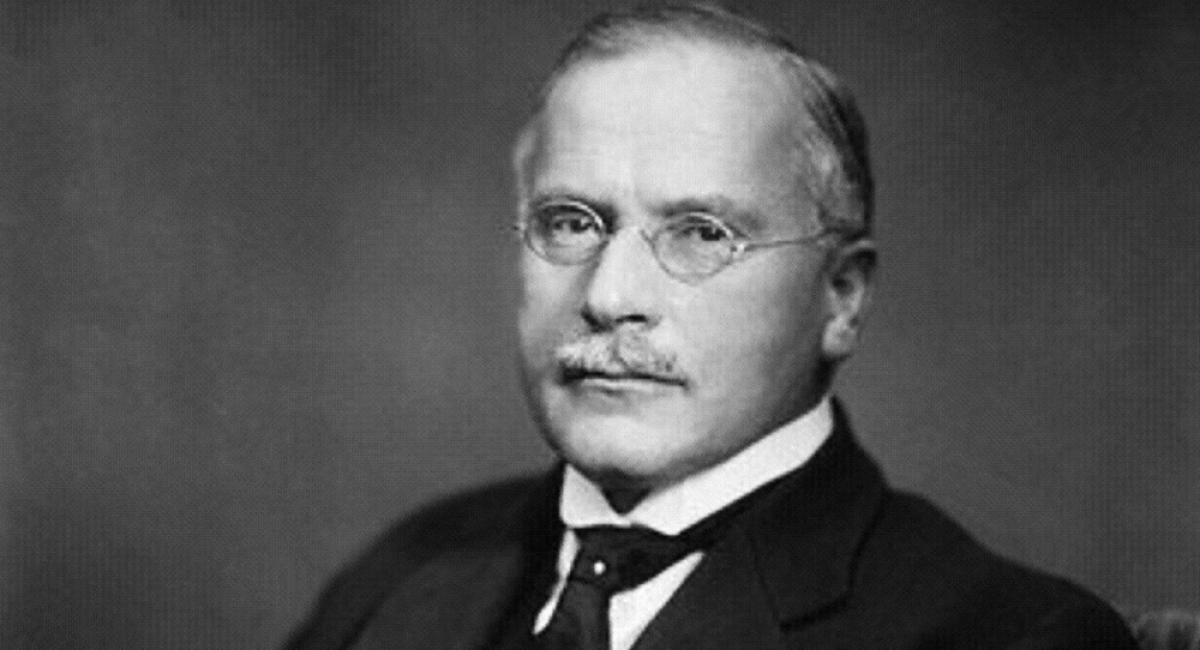
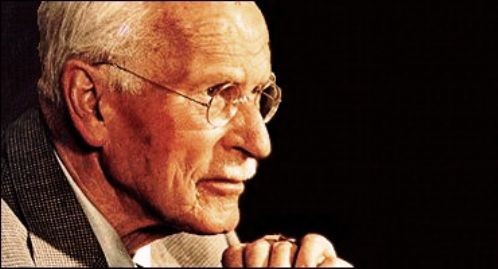
C. G. Jung
Go to Part 1: Solzhenitsyn.
Go to Part 2: Dostoevsky
A Reply to Jung.
Jordan Peterson references Carl Jung in almost every interview, talk, or text he delivers, and these references are especially frequent in his lecture series on the Biblical stories. In 12 Rules for Life (p.131), Peterson describes Jung as both a “great psychiatrist” and a “psychoanalyst extraordinaire.” Jung’s ideas about the subconscious and archetypes form the backbone of much of Peterson’s self-concept and public work. One therefore wonders what Jung would have made of Jordan Peterson’s “On the So-Called Jewish Question.”
To begin with, Jung would almost certainly object to Peterson’s implicit assumption that Jews are easily integrated parts in the machinery of Western civilization, equal or even superior in suitability to all others. Jung believed that Jews, like all peoples, have a characteristic personality, and he would have stressed the need to take this personality into account. Even in his own sphere of expertise, Jung warned that “Freud and Adler’s psychologies were specifically Jewish, and therefore not legitimate for Aryans.”[1] A formative factor in the Jewish personality was the rootlessness of the Jews and the persistence of the Diaspora. Jung argued that Jews lacked a “chthontic quality,” meaning “The Jew … is badly at a loss for that quality in man which roots him to the earth and draws new strength from below.”[2] Jung penned these words in 1918, but they retain significance even after the founding of the State of Israel. Even today, vastly more Jews live outside Israel than within it. Jews remain a Diaspora people, and many continue to see their Diaspora status as a strength. Because they are scattered and rootless, however, Jung argued that Jews developed methods of getting on in the world that are built on exploiting weakness in others rather than expressing explicit strength. In Jung’s phrasing, “The Jews have this particularity in common with women; being physically weaker, they have to aim at the chinks in the armour of their adversary.”[3] Read more

 The Tribe: The Liberal-Left and the System of Diversity