What to read, Part 1
There is no such thing as rightwing vs. leftwing literature. There is only bad literature vs. good literature, with the definition of goodness vs. badness resulting from one’s own implicit cultural and racial baggage. For more than a half century, teachers and scholars have used public and academic discourse quite in line with the egalitarian White-hating dogmas, and reading lists for their students were constructed on the basis of those dogmas. Important novelists, key social scientists, and authors suspected of writing prose that goes against the stream of dominant political ideas, have either been swept aside or removed from the reading list. Their books, if ever mentioned, receive a critical, criminalizing, downgrading, or caricatured interpretation. Worse, if some of them trespass over the historiographic lines of self-censored behavior, as is the case with historical revisionists in Europe and the USA, they may lose a job or land in prison.
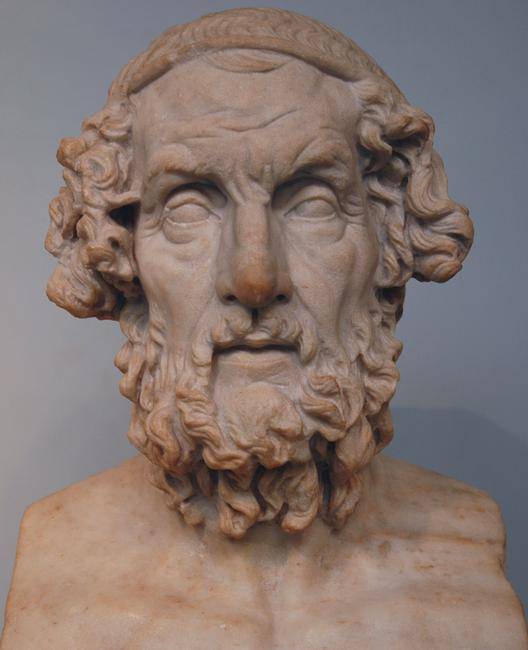
1. Literature: Homer and the Tragic
One can tell the author’s identity by his style and narrative. At the beginning of his autodidactic voyage, a young student should avoid authors whose style and syntax are boring, or whose main theme is difficult to grasp. A White student in the humanities should start with easy-reading classics first, such as Homer and the equally easy texts of fairy tales. Great writers love clarity of expression and do not hide their towering egos behind dangling sentences and obscure lingo. This is unfortunately not always the case with some prominent racialist and traditionalist scholars, especially in the field of social science. Many good social scientists often do not know how to frame their important ideas into simple language. Hence, it’s necessary for a student to read the classics first. Read more