“Modificar los estándares del grupo propio”: Sobre los Judíos y la Comunicación de Masas — Parte II de II
“Millones de folletos, panfletos, dibujos animados, historietas, artículos — y más recientemente guiones de radio y de películas — han sido producidos y diseminados en la guerra de propaganda.” Samuel H. Flowerman, Propaganda Masiva en la Guerra contra la Intolerancia, 1947.[1.
Los Protocolos de Samuel H. Flowerman
Samuel H. Flowerman, como Director de Investigación en el Comité Judío Estadounidense, como colega del Instituto de Investigación Social, y como una especie de núcleo para la expansiva camarilla judía de académicos de comunicación de masas, estuvo en el centro del proceso para poner en acción práctica iniciativas judías de “investigación de opinión”. La formulación más clara de cómo luciría esta acción práctica fue articulada en su ensayo de 1947, “Propaganda Masiva en la Guerra contra la Intolerancia.” La preocupación principal de Flowerman era que a pesar de que millones de dólares estaban siendo gastados en propaganda, por organizaciones como el Comité Judío Estadounidense y la Liga Antidifamación, la propaganda parecía no ser suficiente por sí misma para lograr la transformación masiva de valores en la población huésped — en particular, para el debilitamiento de su etnocentrismo.
Flowerman empieza por explicar el formato y el alcance de los esfuerzos existentes: “Millones de folletos, panfletos, dibujos animados, historietas, artículos — y más recientemente guiones de radio y de películas — han sido producidos y diseminados en la guerra de propaganda (429).” El uso del lenguaje de guerra de Flowerman es interesante en sí mismo, por supuesto, y será discutido en detalle más abajo. Por ahora, deberíamos focalizarnos en lo que Flowerman enumera como los 5 objetivos de la “guerra de propaganda”:
- “La reestructuración de las actitudes de individuos prejuiciosos, o al menos su neutralización.”
- “La reestructuración de los valores de grupo hacia la intolerancia.”
- “La consolidación de las actitudes de aquellos ya comprometidos con una ideología democrática, quizá creando una ilusión de universalidad o victoria.”
- “La continua neutralización de aquellos cuyas actitudes aún están desestructuradas y que se consideran “más inocuos” si permanecen inmunes a instrumentos de parcialidad.”
- “Contrarrestar los símbolos de intolerancia.” (429)
Flowerman concede que el nivel de trabajo y control requerido para lograr estos objetivos habría de ser extensivo, y que el proyecto era altamente ambicioso, buscando nada menos que “una exitosa persuasión masiva en el campo de las relaciones intergrupales.” (429) Pero él es igualmente explícito en las condiciones requeridas para semejante éxito.
La primer condición de Flowerman es “control de parte de grupos pro-tolerancia o individuos de los canales de comunicación de masas.” (430) Dado que el contexto entero del activismo de “pro-tolerancia” de Flowerman fue esencialmente judío, podemos asumir que él está implicando fuertemente que los canales de comunicación de masas deberían caer en manos judías. Dado que “control,” en el fraseo de Flowerman, no está calificado, y dado que muchos periódicos, estaciones de radio, y compañías de producción cinematográfica ya estaban en manos de judíos “pro-tolerancia,” la implicación de que este control debería ser absoluto también está presente. Además, nota Flowerman, que el control total de estos canales puede no ser suficiente en sí mismo. La población huésped aún va a tener que ser expuesta a las producciones de la comunicación de masas, y esto habría de ser garantizado mediante el uso de “fuerza, monopolio comercial, y/o crisis (diseñada o accidental).” (430) Sólo entonces las fuerzas pro-tolerancia verían “los persuasivos dispositivos y técnicas de la élite actuando sobre las susceptibilidades de los manipulados.” (430) Flowerman cierra aquí con una referencia a la teoría de Erich Fromm, de que la gente tiene un “deseo de ser controlada.”
La segunda condición de Flowerman para una “exitosa persuasión masiva en el campo de las relaciones intergrupales,” es la saturación. Esta condición, así como la del control y monopolio de los canales de comunicación masiva, aspira a ser absoluta. En otras palabras, el mensaje “pro-tolerancia” debía de ser ubicuo y extendido — más allá de lo que era posible en 1947 y probablemente más allá de lo que podría haber sido conceptualizado en aquel entonces. En palabras de Flowerman: “Además de las grandes sumas de dinero actualmente siendo gastadas en propaganda de tolerancia, sumas considerablemente más grandes probablemente serán necesarias para lograr el grado de saturación — aún todavía hipotético — requerido.” (430) La idea general aquí es incrementar la proporción del “flujo de símbolos pro-tolerancia” dentro del “torrente total de comunicaciones.”
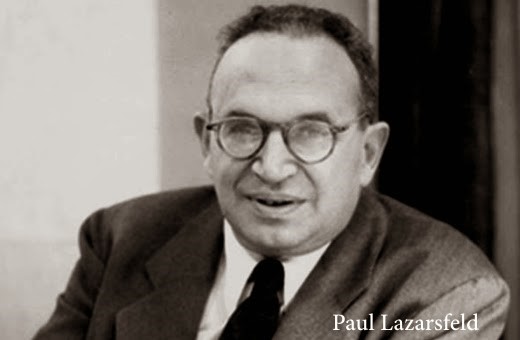
En noviembre de 1946 se llevó a cabo en Nueva York una convención de tres días, parcialmente organizada por Flowerman, agrupando “expertos en los campos generales de relaciones públicas, incluyendo publicidad, correo directo, cine, radio, y prensa; trabajadores profesionales en el equipo de agencias locales y nacionales específicamente dedicadas a combatir discriminación grupal; y científicos sociales de las universidades y de las agencias de defensa nacional.”[2] Los judíos, por supuesto, dominaban todas estas áreas, y la lista de participantes incluía figuras ya mencionadas como Bruno Bettelheim, Sol Ginsburg, Hertha Herzog (Directora de investigación radial de McCann-Erickson, Inc.), Julius Schreiber, Paul Lazarsfeld, Joseph Goldsen, y Morris Janowitz. Uno de los hallazgos de los académicos de comunicación de masas presentes en la convención fue que incluso el control y la saturación podían no ser suficientes para asegurar una transformación de opiniones y valores en la mayoría demográfica. Éste era el caso cuando la propaganda se encontraba con individuos particularmente fuertes mentalmente, o cuando la propaganda se perdía dentro del torrente general de comunicaciones que uno encuentra en el curso de la vida cotidiana. Flowerman entonces escribe con frustración que “estamos desarrollando una nación de individuos que trabajan, se preocupan, aman, y juegan, mientras comentaristas, comediantes, compañías de ópera, orquestas sinfónicas, y bandas de swing están transmitiendo. Esta continua embestida por ‘algo para todos,’ resulta en una especie de ‘sordera radial.’ (431) Para poder superar este obstáculo, Flowerman retorna a un aspecto clave de su primera condición — el uso de crisis (él escribe que ésta puede ser “diseñada o accidental”) para focalizar la atención sobre la propaganda emitida. Flowerman escribe:
Para superar la ‘sordera radial’ a los anuncios comerciales y la atmósfera general de simulación del entretenimiento radial, sólo símbolos asociados con una crisis aguda parecerían tener una posibilidad. Porque el grueso de la intolerancia racial y religiosa estadounidense no está considerado como una situación crítica. … La ausencia de estrés crítico sirve para disminuir los niveles de atención a símbolos pro-tolerancia. (431)
Algunos ejemplos prácticos contemporáneos de cómo sería esta táctica, podrían ser: la ubicuidad de la propaganda pro-diversidad después de ataques islamistas; Charlottesville; tiroteos en las escuelas; pánicos morales acerca del racismo; exageraciones de parte de la ADL sobre la amenaza constante del antisemitismo; asesinatos de parte de migrantes; y migrantes ahogándose en el Mediterráneo.
El punto aquí es que sin importar el contexto, la “crisis” ha de manufacturarse en casi toda situación, para focalizar la atención sobre el verdadero objetivo — la entrega exitosa de mensajes “pro-tolerancia,” incluso (o especialmente) en circunstancias en las cuales la tolerancia se demostró fatal para la población huésped. Los judíos o, en el fraseo más ambiguo, los “agentes pro-tolerancia,” deberían lograr (en las propias palabras de Flowerman) la ambiciosa trifecta de “control, saturación, crisis.” (432) Crisis es, por lo tanto, la tercera condición de Flowerman.
La cuarta condición es el logro de una alteración de las predisposiciones en el individuo por vía de una modificación de su entorno y de presión de grupo. Aquí Flowerman argumenta que la propaganda “pro-tolerancia” no debería depender de medios intelectuales, sino de “la percepción social, la cual es afectada por las predisposiciones del público. A su vez, estas disposiciones son actitudes cargadas con afecto, que pueden haber sido producidas por padres, maestros, compañeros, etc.” (432)
El punto aquí es que Flowerman y la pandilla de las comunicaciones de masa, creen que su propaganda sería mejor recibida por las masas si el contexto psicológico de recepción fuera modificado. En otras palabras, la gente criada dentro de la mayoría demográfica, que está imbuida con un sentido de orgullo comunal, responsabilidad social, logros culturales, y propósito nacional, es poco probable que pueda ser predispuesta a ser receptiva hacia los mensajes en nombre de extraños. Por lo tanto, alguna intervención en la cultura y en la interacción entre pares era necesaria para romper semejante obstáculo a la recepción de propaganda “pro-tolerancia.” Como un ejemplo, retornamos ahora al artículo de 1950 de Flowerman para The New York Times Magazine, en el que argumenta a favor del entrenamiento de los maestros “como ingenieros de relaciones humanas en vez de instructores de aritmética y ortografía.”[3] Los niños pueden así ser “diseñados” para ser más receptivos a la propaganda “pro-tolerancia” en la adultez.
Esta condición se mezcla con la quinta — la manipulación del instinto básico de los humanos de conformarse a los estándares de grupo. Flowerman escribe:
Consciente o inconscientemente, los individuos usan marcos de referencia grupales en situaciones sociales, incluso cuando están físicamente separados del grupo… La fortaleza de las sanciones de grupo es una fuerza potente a tener en cuenta, incluso para un individuo con un ego poderoso… parecería entonces, que para que la propaganda masiva en beneficio de grupos ajenos sea exitosa, ésta tendría que modificar los estándares del grupo propio… La propaganda masiva pro-tolerancia, para ser exitosa, tendría que cambiar dichos valores, lo que sería difícil de imaginar sin control, saturación, crisis, etc. (432)
Lo que Flowerman está proponiendo aquí es esencialmente una revolución de valores, después de la cual surge una cultura políticamente correcta, donde la mayoría demográfica se autocontrola y se vuelve antagonista hacia sus intereses étnicos propios. En este entorno — logrado por medio de “control, saturación, crisis” — la fortaleza de las sanciones dentro del grupo de los blancos estadounidenses es dirigida contra las manifestaciones de etnocentrismo propio del grupo, en vez de hacia los extranjeros. Es nada menos que una propuesta para la cultivación de culpa blanca y altruismo patológico, y la reducción del etnocentrismo blanco y del orgullo cultural.
La sexta condición es la cultivación de figuras influyentes en nombre de la agenda “pro-tolerancia.” Esto requirió mucha sutileza. Flowerman escribe que la investigación de sus colegas y co-étnicos de comunicaciones de masa, muestra que los blancos de su propaganda:
están dispuestos a asignarles a algunos individuos un sello de aprobación, el cual les niegan a otros…
Sabemos que muchos volantes escritos y avalados por héroes populares y aceptados incluso por individuos prejuiciosos, son rechazados frecuentemente con la excusa de que son distribuidos por grupos minoritarios en su propio interés. Varios individuos prejuiciosos no pueden concebir una distribución semejante de parte de grupos dominantes. (434)
Flowerman se está quejando aquí del hecho de que algunos miembros de la mayoría demográfica son lo suficientemente perceptivos como para indicar claramente el verdadero origen de la propaganda “pro-tolerancia,” y para rechazarla en base a eso. Por “grupos minoritarios,” el evasivo Sr. Flowerman se refiere por supuesto, a los judíos. Luego cita un caso específico:
En un experimento llevado a cabo en la Universidad de Chicago por Bettelheim, Shils, y Janowitz, veteranos fueron expuestos a propaganda pro-tolerancia, incluyendo unos dibujos animados de Bill Mauldin. Un encuestado prejuicioso, compartiendo la estima general en la que este soldado-dibujante es tenido por ex GIs, dijo que consideraba a Mauldin “un tipo normal,” pero que si le pagas lo suficiente a un hombre, puedes hacer que haga lo que sea; éste individuo creía que el material que vio estaba siendo distribuido por “un par de comunistas de Nueva York.” (433)
Entonces vemos la patologización de un veterano, a causa de que percibió con sorprendente exactitud la mano subversiva detrás del uso de un ícono popular, para promocionar una agenda totalmente extraña a sus intereses. A pesar de las excepciones como este veterano, la susceptibilidad general de las masas fue considerada lo suficientemente alta como para avanzar con la estrategia de “patrocinio.” Como resultado, responde Flowerman,
Propagandistas, reconociendo la necesidad de fuentes de autoridad impecables, están produciendo material patrocinado por héroes populares en deportes, entretenimiento, y en las fuerzas armadas. Recientemente ha sido desarrollado un plan para promover la inserción de publicidades de página completa en periódicos, pagadas y patrocinadas por organizaciones empresariales locales “respetables.” El efecto de esta campaña tendrá que ser determinado. (433)
Desarrolladas junto con sus colegas en el Instituto de Investigación Social y la pandilla de las comunicaciones de masa, éstas son entonces las 6 condiciones de Flowerman para una transformación radical de los valores en la mayoría demográfica blanca estadounidense:
- Control de los canales de comunicación masiva;
- Saturación con mensajes Pro-tolerancia;
- Crisis, diseñada o accidental;
- Disminución del orgullo cultural y de la autoestima;
- Cultivación del autocastigo y de la auto-sanción del grupo;
- Patrocinio de ilusos voluntarios o traidores
A pesar de que estas 6 condiciones conforman la mayor parte del cuerpo de “Propaganda Masiva en la Guerra contra la Intolerancia,” Flowerman además pasa algo de tiempo discutiendo el contenido ideal de la propaganda “pro-tolerancia.” A este respecto, comenta:
La característica más chocante, la punta de lanza de la propaganda, es el eslogan… Los eslóganes actuales pro-tolerancia o anti-intolerancia, impulsan la unidad y la amistad, advierten en contra de estar divididos en base a diferencias raciales o religiosas, describen nuestro origen común como inmigrantes hacia estas costas, remueven mitos sobre diferencias raciales, y denuncian a los intolerantes y la intolerancia. Algunos eslóganes populares son: No seas Imbécil!, Todos estadounidenses — Inmigrantes todos, Todas las Razas y Todos los Credos Trabajando Juntos, etc.
No Seas Imbécil! fue el nombre de una película de la época de la guerra producida por el Cuerpo de Señales del ejército en una época en la que colaboraba fuertemente con directivos y guionistas judíos de Hollywood; su centro de producción cinematográfica estaba siendo dirigido por el coronel Emmanuel ‘Manny’ Cohen.[4] Según Wikipedia, el film:
tiene temas antirracistas y antifascistas, y fue hecho para educar a los espectadores sobre prejuicio y discriminación. El film fue hecho además, para abogar por la desegregación en las fuerzas armadas de Estados Unidos.
Un estadounidense que estuvo escuchando a un demagogo racista e intolerante, el cual estaba predicando discurso de odio contra minorías étnico-religiosas e inmigrantes, es advertido por un inmigrante húngaro naturalizado, posiblemente un sobreviviente o fugado del Holocausto, quien le explica cómo esa retórica y esa demagogia les permitieron llegar al poder a los Nazis en la República de Weimar, y les advierte a los estadounidenses que no caigan por una demagogia similar, propagada por estadounidenses racistas.
En Agosto de 2017 el film corto se hizo viral en internet, luego de la violenta manifestación Unite the Right de Charlottesville, Virginia, y varias copias fueron subidas a plataformas de video el año pasado.
Sin embargo Flowerman estaba desconforme con los eslóganes de su tiempo, creyéndolos muy “generales en naturaleza, vagos como objetivos, e inespecíficos como métodos.” (434) Él creía que definiendo meramente al fascismo como el enemigo era insuficiente porque, en aquel entonces, la población huésped creía que “el fascismo era un fenómeno estrictamente extranjero, característico particularmente de Alemania.” La propaganda retratando al fascismo como el enemigo, por lo tanto, iba a ser inefectiva para hacer que la población huésped vea sus propios valores como oposicionales y requiriendo destrucción. Refiriéndose a trabajos como La Personalidad Autoritaria, Flowerman escribe: “Abundan estudios en los cuales los sujetos adhieren a postulados del fascismo, aunque rechazan la etiqueta de fascista. La omnipresencia del prejuicio en tanto individuos hace difícil establecer un enemigo real.” (434) Él reconoce que “en mucha propaganda anti-tolerancia” el enemigo es definido como “Protestantes nativos blancos,” pero deja en claro que él desea que esto sea expandido por “razones lógicas y psicológicas.” Uno recibe la impresión de que eslóganes como “La Diversidad es nuestra Fortaleza” y “La Lucha contra el Odio” les habrían resultado muy satisfactorios.
*****
Nos encontramos ahora volviendo a nuestro punto de partida. “La historia entera es claramente absurda,” decía Jason Wilson de The Guardian, cuando discutía “teorías de la conspiración” sobre Marxismo Cultural. Consideren nuevamente a lo que él dice que esta “teoría de la conspiración” equivale:
La moda por las ideas de teóricos como Herbert Marcuse y Theodor Adorno en la contracultura de los 1960s, culminó con la ocupación por parte de sus acólitos, de las cúspides dirigentes de las más importantes instituciones culturales, desde las universidades hasta los estudios de Hollywood. Allí, la conspiración dice, ellos promocionaron e incluso aplicaron ideas que tenían como intención destruir los valores cristianos tradicionales y derrocar la libre empresa: feminismo, multiculturalismo, derechos homosexuales y ateísmo. Y esto, aparentemente, es de donde viene la corrección política. Les juro: eso es lo que realmente piensan… La teoría del Marxismo Cultural es además flagrantemente antisemita, nutriéndose de la idea de los judíos como una quinta columna derribando la civilización occidental desde dentro, un tropo racista que tiene una historia más larga que el Marxismo.
Ante los hechos tratados en este ensayo, semejante teoría parecería estar totalmente corroborada, sólo requiriendo algunas alteraciones como que el proceso comenzó antes de los 1960s e involucró muchas más figuras que el staff del Instituto de Investigación Social. El problema con gente como Wilson es que ellos mismos son la prueba de la misma “teoría de la conspiración” que refutan. Criado bajo medios controlados, saturado con propaganda pro-tolerancia, bombardeado psicológicamente con crisis tras crisis, despojado de orgullo cultural, consumido por culpa blanca, e influenciado por “sponsors” vendidos, él es el producto perfectamente crédulo de los protocolos de Samuel H. Flowerman y la camarilla de las comunicaciones masivas.
No disparatado, pero sí más o menos ridículo, Wilson se vuelve un pigmeo intelectual pisándoles los talones a sus superiores — aquellos que como el veterano en el estudio de Bettelheim, Shils y Janowitz, ven el verdadero origen de la propaganda y son patologizados por su perspicacia.
[1] Flowerman, S. H., “Mass propaganda in the war against bigotry,” The Journal of Abnormal and Social Psychology, 42(4), (1947) 429-439.
[2] S.H. Flowerman and M. Jahoda, “The study of man – can prejudice be fought scientifically?” Commentary, Dec., 1946.
[3] S. H. Flowerman, “Portrait of the Authoritarian Man,” New York Times Magazine, April 23 1950, 31.
[4] See for example, Richard Koszarski, “Subway Commandos: Hollywood Filmmakers at the Signal Corps Photographic Center,” Film History Vol. 14, No. 3/4, (2002), 296-315.

 Marie Jahoda