Jeremy’s Jackboots: Even More Jewish Hysteria about Jeremy Corbyn and the British Labour Party

“Gobsmacked” is a good English word that’s gaining ground in America, I’ve read. If it’s not familiar to you, it means “very surprised or otherwise affected,” like someone who has been unexpectedly smacked in the gob, or mouth. I’ve recently been gobsmacked not once but twice by a Scottish journalist called Stephen Daisley.

Corbyn’s a monster, Blair’s a mensch

My first gobsmacking from Daisley came when I read this article by him in the cuckservative Spectator:

A vote for Labour is a vote for anti-semitism

The Labour party (1900 – 2015) is dead. It died the day a majority of members, £3 and otherwise, voted to make their leader a man already plainly drenched in the moral sewage of anti-Semitism. The Labour party (2015 – ) is Corbyn’s party and if the famous centrists are working to preserve any party, it is that one. They might eventually salvage something out of it — Corbynism without Corbyn — but they will remain culpable for his actions until then.

Every vote for Labour is a vote for Corbyn. Every leaflet delivered is a two-fingered salute to British Jews. Every door knocked is a declaration: this is who I am and this is my tribe. You can campaign for Labour and vote for Labour without being an anti-Semite but in doing either you announce that you have reached an accommodation with anti-Semitism. Colluding in the organisation of politics against the Jews is worth it to get the railways renationalised.

The Labour party is going to fail the anti-Semitism test and the country might too. (A vote for Labour is a vote for anti-semitism, The Spectator, 29th October 2019)

As you can see, Daisley thinks that Jeremy Corbyn (often nicknamed Jezza) killed the Labour party by becoming its leader in 2015. Obviously, then, Daisley also thinks that Labour was alive and well under the leadership of Tony Blair. You remember Blair, don’t you? He’s the devious narcissist who lied the UK into a disastrous war in Iraq that killed huge numbers of innocent people and that directly led to the rise of the head-choppers and sex-slavers of Islamic State. Blair also nefariously opened Britain’s borders to migrants not just from Eastern Europe, who undercut the wages of Labour’s traditional supporters in the White working-class, but also from the Third World, who set about raping and sexually enslaving the daughters of those traditional Labour supporters.

Porcine punims

Having left office after these crimes, Blair began piling up a vast fortune (now possibly well north of £100 million) as he was rewarded by the greedy and amoral globalists for whom he had worked so hard as prime minister. Jeremy Corbyn resolutely opposed Blair’s Iraq disaster and is not interested in money or material possessions. Yet it’s Corbyn, not Blair, who’s “drenched” in “moral sewage,” and it’s Corbyn, not Blair, who “killed” the Labour party – according to Stephen Daisley. And this brings me to the second gobsmacking I’ve received from Daisley. I looked for photographs of him and found these:

The porcine punim of Stephen Daisley

The porcine punim again

I have never seen a more porcine and less trustworthy punim (which is Yiddish for “face”). And I doubt I ever will. Daisley looks as though he’s in training to play the role of the giant slug-like villain Jabba the Hutt in a remake of one of those old Star Wars movies. But I’m glad Daisley looks like that, because it means his punim is as repulsive as his ideology. I’m no fan of Jeremy Corbyn, believe me. But clearly he’s a far less immoral person than Tony Blair and has been responsible for far less evil in the world. Corbyn opposes war and the military-industrial complex. Blair supports war and has grown rich by working for the military-industrial complex. Read more

Interview with Nikolai Nehring at Erkenbrand Conference, The Netherlands, November 12, 2019

https://volkslehrer.info/videoarchiv/meeting-kevin-macdonald-at-erkenbrand-conference-im-gesprch-english


“A necessidade do antissemitismo”

 Um abismo sempre existiu entre europeus e semitas, desde quando Tácito reclamou do “odium generis humani”.
(Heinrich von TREITSCHKE)

Em 1989, o roteirista e jornalista judeu Frederic Raphael foi convidado a proferir palestra no Instituto Parkes de Pesquisa das Relações entre Judeus e Não Judeus, pertencente à Universidade de Southampton, por ocasião do 25º aniversário desse Instituto. Fundado pelo pastor Dr James Parkes (1896–1981), um neurótico ministro da Igreja Anglicana que dedicou sua vida a promover o filossemitismo no seio da Cristandade e narrativas autoinculpantes entre os cristãos (em 1935 ele era celebrado pelos judeus e sofreu tentativa de assassinato da parte dos nacional-socialistas), o tal Instituto logo se converteu num centro de propaganda judaica disfarçado de instituição acadêmica. Em vez de oferecer análises objetivas sobre as relações de judeus com não judeus, o dito Instituto fomentava as manjadas narrativas de que os judeus eram vítimas inocentes do catastrófico e completamente irracional ódio europeu. Raphael, sentindo-se honrado como orador na comemoração dos 25 anos do projeto, houve por bem apelar à provocação e ao sarcasmo nesse evento. Assim, ele escolheu a frase “A necessidade do antissemitismo” como título do seu discurso.  “Poderia ser o título de um livro”, disse Raphael, “e esse livro poderia estar na biblioteca do Instituto Parkes, a não ser pelo fato de que tal livro nunca foi escrito, não existe”, completou ele.

Na tortuosa exposição que se seguiu, Raphael falou dos supostos conteúdos desse livro imaginário, sugerindo seus potenciais argumentos e o que eles revelariam sobre seu autor e sobre a cultura europeia. Confirmando a opinião de todos os presentes, Raphael disse estar certo de que esse livro espectral e perturbador, embora não existisse, seria produto assombroso que não estaria fora de lugar num continente onde o antissemitismo era “premissa permanente e fundamental da tenebrosa e irregenerada lógica da Europa”.[1] Para Raphael e sua presunçosa audiência, A necessidade do antissemitismo serviria apenas de justificação para a cabeça doente do europeu. O antissemitismo seria então, de fato, extremamente ilógico e, num sentido moral, completamente desnecessário.

Desde que li o discurso de Raphael vários anos atrás, A necessidade do antissemitismo também me deixou assombrado num certo sentido. Não existe livro que corresponda a esse título, conforme dissemos. Entretanto, milhares de tratados, panfletos e livros com esse mesmo teor terão sido escritos sobre a Questão Judia por autores europeus ao longo de muitos séculos. Nessa literatura  de apologia antissemítica, A necessidade do antissemitismo estará presente nas várias modalidades de diferentes perspectivas religiosas, políticas e sociais.  Mas como seria o livro se de fato fosse escrito hoje? Como poderia um autor tratar dos vários aspectos da Questão Judia num único volume? No ensaio que se segue, em parte literário, em parte historiográfico, eu quero que nos juntemos a Raphael na suposição de que o livro fantasmal exista realmente, embora nós o vejamos de um ponto de vista contrário.

Eu imagino que nosso autor faça a introdução do seu volume explanando em termos gerais A necessidade do antissemitismo, apontando a presença dos judeus e de sua influência nas quatro culturas fundamentais que levaram ao declínio branco. Nomeadamente: a cultura da crítica, a cultura da tolerância, a cultura da esterilidade e a cultura da usura.

A cultura da crítica

O capítulo intitulado “A cultura da crítica” é uma piscadela dada a Kevin MacDonald e, também, uma ampliação do trabalho dele. Começando esse capítulo, nosso autor recordaria a famosa observação do historiador judeu Louis Namier (1888-1960), quando lhe perguntaram por que ele não se ocupava da história judaica: “Os judeus não têm uma história, eles têm um martirológio”. Este martirológio é o que jaz no coração da cultura da crítica. Enquanto quase toda nação tem uma história objetiva sob muitos aspectos, só os judeus possuem uma simples semi-história eivada de míticos e esotéricos autoenganos que dão permissão psicológica para os comportamentos sociais mais tribais e subversivos e para as atitudes mais hostis para com outros povos. A cultura da crítica, uma espécie de vingança cultural inspirada no martirológio judaico, é a mais clara expressão da corrosiva natureza das desastrosas relações de judeus com não judeus, as quais o reverendo James Parkes pranteia em desgraçado engano.

Na cabeça do judeu, a corrosiva natureza de sua interação com os povos europeus sempre foi pensada como algo de aspecto heroico. Uma farsa é representada para os próprios judeus, assim como para nós, de sorte que vejamos nessa interação um excepcional e virtuoso questionamento da parte de críticos infiltrados, como de outros do lado de fora, unicamente posicionados para cumprir a providencial finalidade de denunciar as mazelas da cultura ocidental. Os judeus acreditam possuir especiais talentos quanto a isso — talvez possuam mesmo, em certo sentido perverso — mas em todo caso, na grande dissimulação deles, eles estão nos dissolvendo “para o nosso próprio bem”. David Dresser and Lester Friedman, acadêmicos judeus da mídia, argumentam que os cineastas judeus possuem uma singular e indefectível objetividade, a qual atribuem ao seu judaísmo. Eles escrevem que “A marginalidade dos artistas judeus dá-lhes um ponto de vista privilegiado que outros pensadores criativos mais culturalmente integrados não têm”.[2] Isso bate muito bem com o que disse um escritor no Times of Israel, ao comentar as atividades de um político judeu chamado Alan Shatter, que destruiu as bases jurídicas da família na Irlanda, dando conta de que “o judaísmo de Shatter era uma vantagem, pois o libertava do fardo cultural que pesava sobre os seus homólogos católicos”. Exatamente como a Escola de Francforte, esses heróis culturais conhecem-nos melhor do que nós mesmos, o que torna possível que nos ajudem a perceber o quanto nós somos irracionais, malignos, preconceituosos e necessitados da redenção judaica. Nós estamos sempre sendo advertidos pelos nossos tutores judeus de que os ensinamentos que eles nos ministram servem ao próprio bem do Ocidente. Eles nos libertam de nossa “bagagem”.

Na realidade, o que eles querem com tudo isso é a nossa destruição. A Crítica, a que faltam objetivos coerentes para além da vontade de corromper, não termina nunca. Ela está sempre a procura de novas e puras feições da cultura ocidental para cobrir de lama. O “Discurso do rabino”, uma passagem do romance de Hermann Goedsche intitulado Biarritz, publicado em 1868, é uma obra de ficção, mas muitos fatos e instintos inspiraram seu autor. Numa noite, no cemitério dos judeus de Praga, o rabino de Goedsche dirige uma reunião secreta com os chefes das treze tribos de Israel. Ali ele fez a promessa seguinte: “Nós haveremos de extirpar todas as crenças, toda a fé em tudo o que os nossos inimigos cristãos  respeitaram e veneraram até hoje, nós usaremos o encanto das paixões como arma na guerra aberta que moveremos contra tudo o que até hoje mereceu respeito e veneração”.

O espírito da coisa é esse mesmo, mas nem tudo se passa conforme a sugestão de Goedsche. Não há reuniões clandestinas em cemitérios à meia-noite ou encontros dos sábios de Sião, o que existe, em vez disso, é um instinto coletivo que defende com ânimo cáustico interesses compartilhados. E, na realidade, a cultura da crítica não corresponde a declaração de guerra aberta, senão a trabalho de sapa acobertado pelo disfarce da amizade, da medicina, da libertação. [Franz] Boas minou a confiança na cultura ocidental, enquanto alegava que libertava os ocidentais dos erros e fardos do chovinismo. Freud perverteu tudo o que era sagrado em relação ao sexo e ao casamento, chamando o que fez de “terapia”. Marx chamou os trabalhadores do mundo a que se unissem e conseguiu mesmo uni-los — nas filas de comida, nos gulagues e nas fossas coletivas da Ucrânia, onde morriam à míngua. A guerra foi fragorosa e sanguinariamente travada, mas silenciosa e subversivamente declarada.

Na verdade a guerra não terminou ainda, mesmo que eles já tenham derrubado “tudo o que as pessoas respeitam e veneram”. As igrejas estão infiltradas, foram completamente derrotadas e são ridicularizadas e desprezadas. A história da Cristandade foi colocada no moedor de carne que é o aparato intelectual judaico e dessa máquina ela emerge hoje como uma novela sinistra de perseguição e escravismo. Concha esvaziada de sua pérola, a Igreja agora guarda apenas a tolerância ilimitada. Nem as maiores figuras históricas do Ocidente, mesmo quando avessas à religião, sobreviveram à cultura da crítica. E quando, no apanágio de sua perspicácia, os nossos tutores judeus se cansam de bostejar reputações, eles usam os procuradores de sua etnia e começam a derrubar estátuas, remover nomes e queimar retratos. Nenhum aspecto da cultura ocidental quiseram deixar de pé. Sua ciência, sua filosofia e seus sistemas morais foram vilipendiados, ridicularizados e furiosamente atacados; cada soneto, cada concerto ou avanço tecnológico terá servido — de forma meio obscura, mas decisiva — para a instalação de campos de concentração da Segunda Guerra na Polônia, e dizem com ar de seriedade que nesses lugares os passarinhos não cantam até hoje.

Entretanto, visitei o que restou de um desses campos e, ao contrário do que dizem, os passarinhos cantavam, sim. Não há mistério nenhum lá. A vida continua. As crianças que as escolas mandam para lá riam e rabiscavam velhas portas e camas-beliches, enquanto os adultos mostravam preocupação com a possibilidade de estarem sendo observados, procurando parecer solenes e comovidos em sua frieza e sem-graceira.

Nosso autor teria concordado conosco, indicando no livro A necessidade do antissemitismo que as histórias de campos de concentração são a joia da coroa do martirológio judaico e até mesmo o mecanismo da mais avançada forma da cultura da crítica. Passados quase 55 anos desde que foi escrito, o livro de Jerzy Kosiński intitulado O pássaro pintado volta a ser notícia. Trata-se de suas memórias do tempo da Guerra e desses famosos campos da Polônia. O livro está repleto de estupros de crianças, zoofilia e descrições de extrema violência, como a de olhos humanos que são arrancados para alimentar gatos. Na verdade, a obra é uma grande fraude, já bem desmascarada, um alucinado pastiche das fantasias psicossexuais do próprio Kosiński. Mas nada disso impediu que desse livro fizessem um filme bastante elogiado pelos críticos, mesmo que as pessoas vomitassem vendo as cenas, passassem mal e fossem embora dos cinemas. Possivelmente agora, quando prevalece a cultura da crítica, muitos brancos sintam-se agradecidos por terem sido advertidos de quão malvados eles foram em relação aos judeus, aceitando cada condenação como a dose de um remédio. Joanna Siedlecka, jornalista e biógrafa de autores, estudou a vida de Kosiński, tendo chegado à conclusão de que “[O pássaro pintado] não tem nada a ver com a verdadeira infância de Kosiński; ele inventou aqueles horrores, tendo ele mesmo estado muito bem, enquanto os campônios se arriscavam para homiziar toda a família dele. […] Kosiński ainda é tratado como uma vítima, mesmo que agora saibamos muito mais sobre sua biografia. Sabemos, por exemplo, que os poloneses não o torturaram.”
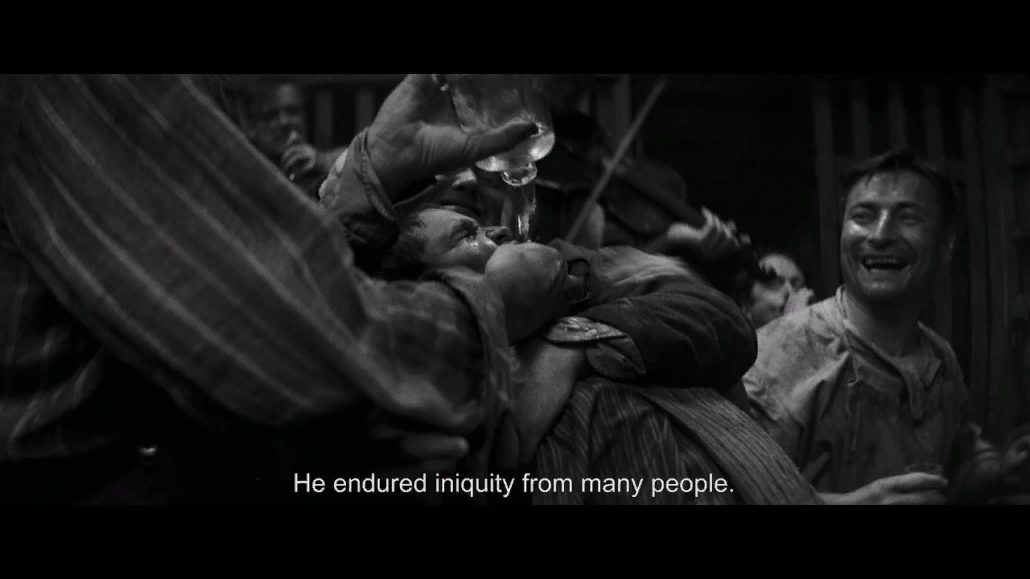
Em A necessidade do antissemitismo, nosso autor escreveria que o exemplo de Kosiński e os judeus corresponde perfeitamente à relação histórica de judeus com europeus. Alguém que estudasse a história desses dois povos poderia tentar mostrar a realidade da situação e, ainda assim, o judeu “continuaria a ser tratado como vítima”. E esta “vítima” arroga-se a condição de árbitro moral e crítico superior a tudo e todos. Armados com o pastiche histórico sadomasoquista bem próprio deles, os ativistas judeus já passaram da crítica à ação para finalmente vencer a guerra racial. Eles negam isso, dizendo que se trata de pérfida teoria conspiratória. Mas, na realidade, eles fazem lembrar aquela história do irlandês que nega ter roubado um balde, acrescentando a injuriosa crítica de que, de qualquer forma, o balde estava furado. Os judeus negam veementemente que tenham alguma coisa a ver com a decadência da cultura ocidental, acrescentando a injuriosa crítica de que, de qualquer forma, a cultura ocidental é podre, doente, racista, intolerante e irracional. Ao negar sua responsabilidade, os judeus acabam por admiti-la. Essa é a essência da cultura da crítica.

A cultura da tolerância

Este capítulo do livro pode começar com a observação de que a cultura da tolerância é filha da cultura da crítica. Quando é que o judeu começou a convocar os brancos para a autoextinção em seus próprios países? Nosso autor pode responder dizendo que a chamada para a morte começou quando foi da primeira penetração judaica na cultura europeia — não penetração no território europeu, mas na cultura europeia. Não foi Moses Mendelssohn (1729–1786) celebrado como o primeiro judeu “assimilado”, o primeiro verdadeiro intelectual judeu a desejar ser “parte da cultura germânica”, o primeiro a pregar pela “tolerância”? Ora, para onde é que Mendelssohn, o primeiro “alemão de fé judaica”, queria realmente conduzir os europeus? Não há dúvida quanto a isso, a resposta está nos registros históricos. Ele, sequiosa e descaradamente, perguntava: “Por quanto mais tempo, por quantos milênios a mais, deverá existir essa distinção entre os nativos de uma terra e os estrangeiros? Não seria melhor para a humanidade e a cultura que fosse obliterada tal distinção?” [3][grifo nosso].

Aí está: a primeira intrusão judaica na cultura ocidental consistiu num chamado pela abolição das fronteiras, pela migração e pelo direito de ocupação reconhecido a estrangeiros.

Desde o seu começo, o ativismo judaico na cultura ocidental buscou solapar a posição dos donos da terra e promover a “tolerância”, conforme convinha aos judeus. Considera-se que a obra de Mendelssohn intitulada Sobre o melhoramento civil dos judeus, de 1781, deu significativa contribuição para a ascensão inicial da “tolerância” na cultura ocidental. Entretanto, a palavra “Tolerância” tem certa acepção que a propaganda esconde. No campo semântico da medicina, essa curiosa palavra significa “O estado imunológico caracterizado pela ausência de resposta a toxina específica ou substância estranha que induz uma imunorreação no organismo, especialmente a produção de anticorpos.”

Não seria isso exatamente o que Mendelssohn preconizou quase 250 anos atrás, ou seja, que os donos da terra sofressem de imunodepressão, que ficassem sem defesa imunológica, mesmo quando toxinas se infiltrassem em seu corpo? Devemos perguntar como a tolerância acabou sendo considerada uma virtude. A resposta é a seguinte: a tolerância tornou-se virtude por força da intrusão judia na cultura ocidental.

Agora a cultura da tolerância já conta mais que dois séculos. Ela amadureceu lentamente, mas não há dúvida de que já chegou à maioridade. O trabalho de Kevin MacDonald demonstrou cabalmente que grupos organizados de judeus financiaram e realizaram a maioria dos trabalhos destinados a derrubar a lei americana da imigração de 1924, que finalmente caiu em 1965. Brenton Sanderson também revelou que os movimentos intelectuais e os ativismos etnopolíticos judeus foram a razão principal para o encerramento da política da Austrália branca — uma mudança política a que se opunha a vasta maioria da população australiana. Eu tenho escrito sobre quão conspícua foi a participação judia nas dramáticas mudanças das leis britânicas sobre cidadania, raça e censura desde 1950 até 1990. Um ministro da Justiça judeu mudou o processo de naturalização de estrangeiros na Irlanda, escancarando o país para africanos e paquistaneses. Atualmente os judeus dominam as ongues por trás das migrações de massa, comprovadamente detendo cargos executivos nas entidades seguintes: International Rescue Committee, International Refugee Assistance Project, American Civil Liberties Union (ACLU), National Immigration Justice Center, Equal Justice Works, The Immigrant Defense Project, National Immigration Law Center, Lawyer’s Committee for Civil Rights Under the Law, Northwest Immigrants Rights Project, the Asylum Advocacy Project, Refugee Council USA, the New York Civil Liberties Union, American Immigration Council, The Immigrant Learning Center, the Open Avenues Foundation, the Political Asylum/Immigration Representation (PAIR) Project, Central American Legal Assistance, Halifax Refugee Clinic e a UK Refugee Law Initiative. Aliás, o conselheiro de política para a imigração da Conferência dos Bispos Católicos dos Estados Unidos não é um católico, mas uma mulher judia.

A emigração de massa do Terceiro Mundo para o Ocidente, para a Europa, especialmente, resulta de um projeto judeu. Este projeto é administrado por judeus, promovido por judeus, explicado e justificado por judeus. Ele tem por causa a necessidade judia — tão antiga quanto o livro de Mendelssohn, se não mais antiga — de defraudar os donos da terra e entregar o solo a estrangeiros em nome de tolerância.

Tal qual fizeram com a cultura da crítica, os judeus oferecem-nos a cultura da tolerância como se por gesto de amizade. Com largos sorrisos e verbosidade melíflua, eles garantem que estaríamos perdidos se não eliminássemos “a distinção entre os donos da terra e os estrangeiros”. Afinal de contas, não é que, felizmente, fomos admoestados sobre o desvalor, a imoralidade, o chovinismo, a corrupção, a falsidade de nossa cultura? Por que não importarmos novas e mais vibrantes culturas? Assim nós poderíamos viver uma vida mais excitante e, melhor ainda, provaríamos que somos moralmente dignos da aceitação por parte dos nossos amigos judeus, os inocentes mártires da humanidade. E devemos acatar as advertências deles, porque o que dizem faz todo o sentido. Afinal de contas, nós precisamos dos desempregados africanos para pagar nossas pensões, precisamos dos terroristas islâmicos para cuidar das nossas populações envelhecidas, precisamos de milhões de imigrantes a mais para resolver o nosso problema de falta de moradia. Nós precisamos de uma maré de trabalho barato para aumentar os nossos salários. Nós precisamos de gente despreparada nos hospitais para fazer cirurgias, recuperar nossa saúde e cometer crimes sexuais. Nós precisamos tolerar a burca para demonstrar quão profundo é o feminismo da nossa sociedade. Nós precisamos expressar o nosso patriotismo, negando que existamos como um povo. Nós precisamos de mais mordaças na lei para garantir o direito à livre expressão. E, mais importante do que tudo, nós precisamos combater o racismo na nossa sociedade para levar a raça branca à extinção em todo lugar.

Nossos prestimosos amigos valem-se de meios diversos para nos passar esse tipo de “orientação”. Na sua “generosidade”, eles lançam sobre nós um bombardeio de lixo televisivo, retratando o multiculturalismo assim como ele não é na realidade. A mágica cinematográfica judaica é uma forma de alquimia cultural. A criminalidade e a hipossuficiência acadêmica dos negros são levadas ao laboratório de Hollywood e, então, assaltantes e estupradores transformam-se em personagens da elite intelectual sob assédio amoroso de ninfas loiras. Alternativamente, Hollywood toma a estabilidade e a tranquilidade das famílias da classe média branca e, então, seus lares demudam-se num antro claustrofóbico de neurose, intolerância e repressão.

Quando num estado de espírito menos generoso, nossos amigos judeus arrogam-se o direito de manipular o currículo escolar de nossos filhos; mas, quando contrariados, ficam furiosos, então cassam o direito à liberdade de expressão e mandam desafetos para a cadeia. Por outro lado, se alguém tentar coibir alguma prática cultural judia, proscrevendo, por exemplo, o rito tribal da circuncisão, eles revidam com algumas das outras armas de sua panóplia: a chantagem, a calúnia, a implacável guerra econômica, conforme ficou demonstrado quando a soberana nação da Islândia sofreu ameaças da ADL. Isso que se passou na Islândia lembra-nos da história do irlandês e do balde. Os judeus negam que tenham influência excessiva, mas acrescentam que, se nalgum país alguém repetir a acusação, o exclusivo clube dos judeus em Nova Iorque deixará esse país de joelhos diante deles.

Embora a cultura da tolerância siga fazendo as cabeças com força total, os judeus ainda não conseguiram resolver o problema de como evitar que crianças brancas continuem a nascer. Nesta altura nosso autor começaria o terceiro capítulo de seu livro.

A cultura da esterilidade

Em toda parte os judeus estão por trás da cultura da esterilidade. Esta é uma expressão adequada para designar o que eminentes estudiosos referem como o “rápido declínio” da natalidade na maioria dos países europeus.[4] Nosso autor iria inicialmente citar o fato de que o contraceptivo oral foi criado pelo judeu Gregory Goodwin Pincus, mas na realidade os judeus de muitos países do Ocidente foram os “pioneiros da indústria clandestina de contraceptivos”, no dizer do historiador judeu Howard Sachar.[5] Por algum plano, coordenação ou simples instinto, os judeus concentraram-se em áreas hostis à natalidade dos brancos, como a contracepção, o aborto, as leis do divórcio, a promoção da pornografia, a homossexualidade, a confusão de gêneros, a promiscuidade.

De acordo com certo estudioso, a relação daqueles na vanguarda das clínicas de aborto, da literatura de prevenção da gravidez para casais, das medidas políticas de controle da natalidade nos Estados Unidos inclui os nomes seguintes: “Anna Samuelson no Bronx; Olga Ginzburg e Rachelle Yarros em Chicago; Sarah Marcus em Cleveland; Nadine Kavinoky e Rochelle Seletz em Los Angeles; Esther Cohen e Golda Nobel na Philadelphia; Hannah Stone, Marie Warner, Cheri Appel, Anna Spielgeman, Naomi Yarmolinsky e Bessie Moses em Baltimore; Elizabeth Kleinman em Boston; Lena Levine em Nova Iorque, Hannah Seitzwick-Robbins em Trento; e Lucile Lord-Heinstein em Massachusetts”.[6] Todas essas mulheres eram judias. Hannah Stone foi especialmente influente, trabalhando em ligação com [Margaret] Sanger, escreveu textos importantes sobre planejamento familiar, como Contraceptive methods of choice (1926), Therapeutic contraception (1928), Contraception and mental hygiene (1933), e Birth control: a practical survey (1937).

Desde 1920 até 1940, Margaret Sanger emprestou sua face de não judia para os movimentos em favor do aborto e da contracepção em Nova Iorque, tendo como seu principal advogado o judeu Morris Ernst. E quando Sanger decidiu patrocinar a legislação federal de controle da natalidade, ela escreveu ao rabino Stephen Wise, em 1931, solicitando a ele que se valesse da influência política judia e de sua própria lista bem extensa de contatos políticos para ajudá-la nesse intento, ao que o rabino respondeu alegremente, prontificando-se para dar conta da honrosa incumbência.[7] Sanger, é claro, casar-se-ia com um judeu e, segundo seu biógrafo, “encerrou-se em círculo de colegas e amigos judeus”.[8] 

Com efeito, a influência judia liga-se tão estreitamente às origens do aborto nos Estados Unidos que o historiador Daniel K. Williams caracterizou o debate sobre o aborto na década a partir de 1930 como um conflito religioso, observando que  “Quase todos os médicos que argumentavam contra o aborto eram católicos, enquanto os outros que arrazoavam sua legalização eram quase todos judeus”. [9] Williams refere ainda o fato de que “Os rabinos do judaísmo reformista foram os primeiros capitães do movimento a favor da lei de liberação do aborto”.[10] A ligação entre organizações judias e outras partes ainda mais sórdidas do submundo da profissão médica — nas quais, aliás, os judeus eram dominantes — tornou-se meridianamente clara durante as investigações de abortos ilegais em Nova Iorque, nas duas décadas desde 1940, conforme o historiador Leslie J. Reagan.[11] Quando Pincus criou a sua pílula, ele sabia que a sociedade poderia associar o antinatalismo ao ativismo judeu. Então, a fim de evitar o perigo do “estigma antissemita”, ele escolheu John Rock, que era católico, para desenvolver um regime anticoncepcional para a mulher, poupando desse encargo os judeus Abraham Stone e Alan Guttmacher, seus colegas de longa data e chefes do movimento antinatalista.[12]

Situações análogas ocorreram em todas as outras nações ocidentais. Alan Shatter decerto atuou como chefe da propaganda do anticoncepcionismo na Irlanda dos anos setentas, mas um século antes das ações de Shatter um membro do clero irlandês reportava o seguinte:

Um judeu chegou de caminhão à cidade […] e ele começou a vender instrumentos abortivos disfarçados de porta-lápis. […] O prior foi informado do negócio ilícito. […] Ele avisou a polícia, que não pôde fazer nada. Então ele mesmo improvisou uma corte, que julgou o delinquente, aplicando-lhe multa de 10 libras. O judeu pagou a multa e escafedeu-se. [13]

Em Nova Iorque, judeus como Moses Jacobi e Morris Glattstine eram especialmente influentes e notórios no mercado clandestino das ferramentas abortivas, já por volta da década desde 1870.[14] Similarmente, no final do século XIX, “Os judeus estiveram entre os campeões da revolução anticoncepcionista no Sul da Alemanha”. [15] Neste país, durante o entreguerras, segundo o acadêmico Harriet Freidenreich, “As médicas judias tiveram participação muito importante na campanha em pró da legalização do aborto. […] Elas estavam sobrerrepresentadas  no movimento da reforma sexual, que promoveu a distribuição mais ampla de meios anticoncepcionais. Essas judias eram notórias na disseminação de dispositivos contraceptivos”. [16]

Na Polônia, durante a Segunda República [1918-1939], a precursora principal da educação sexual, da contracepção, da promoção da homossexualidade e do aborto era Irena Krzywicka (nascida Goldberg). Além de fundadora da Liga Reformy Obyczajów (Liga para a Reforma dos Costumes), Krzywicka era articulista do influente jornal Wiadomosci literackie (Notícias Literárias), no qual ela se batia pelo casamento civil, pelo divórcio e pela contracepção facilitados, pela “liberação sexual” feminina e pelo aborto.[17] Em Antisemitism and Its Opponents in Modern Poland, o historiador Robert Blobaum refere que a “imprensa antissemita” na Polônia estabeleceu a ligação entre os judeus e “a difusão da literatura anticoncepcionalista” e a pornografia, mas muito timidamente ele trata da carreira de Krzywicka ou de seus numerosos colegas judeus. [18] Ronald Modras observa que até os dirigentes não judeus do movimento polonês pela contracepção destacavam-se pelo seu “filossemitismo”. [19]

Na France, a principal entidade por detrás da legalização da contracepção e do aborto era a Choisir (Escolher), fundada pela advogada judia Gisèle Halimi, e a legislação correspondente foi finalmente aprovada quando era ministra da Saúde a judia Simone Veil (nascida Simone Jacob).[20] Nos Estados Unidos, é claro,  Roe v. Wade significou um produto do ativismo da National Association for the Repeal of Abortion Laws [Associação Nacional pela Revogação das Leis do Aborto], fundada pelo judeu Bernard Nathanson. Nathanson participou diretamente da militância pela legislação a favor do aborto, ao lado da feminista judia  Betty Friedan, até o momento quando, no final dos anos setentas, ele sofreu uma crise de consciência, que parece ter sido verdadeira mesmo, depois da qual ele se converteu ao catolicismo. Até então, ele, pessoalmente, tinha feito mais de 60 mil abortos, havendo depois explicado numa entrevista que “Nós éramos desonestos, vivíamos enganando pessoas, inventando estatísticas; nós cooptávamos a imprensa com adulações, agrados, mimos. […] Nós nos apresentávamos como defensores do aborto e do direito de escolha, mas a verdade é que nós gostávamos de abortar”. E com certeza os judeus gostam mesmo do aborto. De acordo com o Pew Research Center, os judeus apoiam o aborto muito mais do que qualquer outro grupo religioso nos Estados Unidos. Na realidade, os judeus gostam tanto de limitar a fertilidade de outras populações que em 2013 Israel reconheceu haver aplicado contraceptivos nos imigrantes que chegavam da Etiópia, sem o consentimento deles.

Nosso autor decerto trataria com mais vagar do assunto referente ao aborto e aos anticoncepcionais somente porque a predominante participação dos judeus nas outras áreas da cultura da esterilidade já está bem documentada. O envolvimento judaico na incipiente sexologia, mediante influentes figuras tais quais Albert Moll, Iwan Bloch, Magnus Hirschfeld, Albert Eulenberg, Hermann Joseph Lowenstein, Julius Wolf, Max Marcuse e Eduard Bernstein ligava-se sempre à pretendida necessidade da “tolerância” e do pluralismo social. O que na verdade eles fizeram foi promover toda sorte das mais aberrantes patologias sexuais, separando o sexo da reprodução, para atacar a coesão social. Hirschfeld, provavelmente quem lançou a propaganda do “Amor é amor”, “subverteu a noção de que o amor romântico deveria estar orientado para a reprodução”, defendendo, ao contrário, a aceitação dos modos de vida homossexuais e de relações sexuais hedonísticas e não reprodutivas em geral.[21]

Nesta altura vale ressaltar que os judeus não se concentraram na promoção da “tolerância” para homossexuais, unissexistas [no original:gender benders],feticidas [no original: abortion-seekers] e travestis por acreditarem autenticamente nos “direitos” e no “valor” desse tipo de gente. Antes, os judeus veem nessas pessoas os perfis que querem promover na sociedade inclusiva, generalizando sua influência, com o que ficaria facilitado seu trabalho de aliciar mais sujeitos para a cultura da tolerância. A sociedade nunca aceitou realmente a homossexualidade e o transgenerismo, mas o que aconteceu foi que a própria sociedade primeiramente tornou-se “homossexual” em algumas de suas características, antes que viesse a tolerar os que de fato eram homossexuais e transexuais. Enquanto o Ocidente foi progressivamente ficando sem crianças e mais promíscuo, mais hedonístico, mais iludido e cheio de si mesmo, a distância entre o normal e o anormal estreitou-se, então ficou parecendo que não havia razão para negar a “igualdade”. As sociedades preocupadas com a própria demografia sofrerão severas consequências por causa da homossexualidade e do aborto/infanticídio. O Ocidente, celebrando ambas as práticas, está com a sua demografia em queda livre, não tem consciência das seriíssimas ameaças à sua sobrevivência racial, e seus povos seguem aceitando uma cultura conducente a seu próprio suicídio demográfico. A homossexualidade nunca antes fora tão aceita. O aborto nunca foi tão fácil e desestigmado. E os brancos nunca como agora estiveram na iminência de deixar o palco da história.

A promiscuidade tomou o lugar do carrinho de bebê. Um rápido olhar para a atual geração dos brancos em idade reprodutiva suscita grave preocupação. As taxas de doenças sexuais nos Estados Unidos nunca foram tão altas. Segundo especialistas da área médica, o Reino Unido está a caminho de uma “crise na saúde sexual.” O mesmo fenômeno tem sido verificado na Austrália, no Canadá, na Irlanda, na  França e na Alemanha. Enquanto isso, o Gatestone Institute informa que:

O aborto assumiu recentemente proporções épicas em países como a Suécia e a França. Na França, são feitos 200 mil abortos por ano. Para efeito de comparação, o número de nascimento na França é de  750 mil por ano. A França, então, está abortando a cada ano 20% de seus bebês/fetos/embriões/aglomerados celulares — que o leitor escolha o termo de acordo com suas convicções pessoais.

Não são os muçulmanos na França que estão abortando seus bebês aos milhares e milhares, o que talvez explique a manifestação dos mafomistas diante do arcebispo de Estrasburgo, para quem eles disseram que “Um dia a França será nossa”.

No livro The Population Bomb (1968), o biólogo judeu Paul Ehrlich escreveu que o melhor método para a redução da população era a legalização do aborto. Isso sem considerar os efeitos do controle da natalidade e a mais geral cultura da esterilidade, que glorifica a pervertida, a vazia visão do “amor” sem filhos. Quando os europeus começaram a legalizar o controle da natalidade e o aborto, 40 anos atrás, alguns anos depois do caso Roe versus Wade (1973), a Igreja Católica alertou contra o perigo de a Europa vir a ser uma “civilização mórbida”. Foi isso mesmo o que aconteceu.

A cultura da usura

Num Ocidente entregue ao mais selvagem materialismo, pode ser difícil ter consciência da extensão da agiotagem judaica. Quando se fala dos agiotas judeus, a maioria das pessoas geralmente pensa na Idade Média. Mas a agiotagem judaica está viva e passa muito bem na modernidade, havendo muitos países na condição de devedores dos prestamistas judeus, que por sua vez repassam sua riqueza para organizações dedicadas à promoção das três outras culturas do declínio branco (Crítica, Tolerância, Esterilidade). Paul Singer, ligado a “fundos de investimento” judaicos, tem sido descrito pela Bloomberg como “o mais temido investidor do mundo”, mas na realidade ele é o mais medonho parasito dos endividados. A República Democrática do Congo deve a Singer e seus colegas judeus 90 milhões de dólares, o Panamá deve-lhes 57 milhões de dólares, o Peru deve-lhes 58 milhões de dólares e a Argentina deve-lhes 1,5 bilhão de dólares. Quando os pagamentos estiveram atrasados, Singer sequestrou e manteve em seu poder um navio da marinha argentina, e quando a Coreia do Sul lutou para evitar que ele controlasse a Samsung, o “abutre” levou o presidente sul-coreano  ao impedimento e à prisão.

Embora esses fatos possam parecer pertinentes apenas às pessoas da alta sociedade, distantes da realidade da vida cotidiana (a não ser que o leitor viva numa cidade do Congo que teve o abastecimento de água suspenso por chantagem de Singer), a caterva de especuladores judeus está por trás de quase toda compra que se faça e de toda guerra em que o leitor pode ser obrigado a morrer. Singer, seu filho Gordin e seus colegas Zion Shohet, Jesse Cohn, Stephen Taub, Elliot Greenberg e Richard Zabel contam com testas de ferro em quase todo país e eles têm forte participação em toda empresa familiar ao leitor, de livrarias a bancos. Com os ganhos de seu parasitismo, eles financiam a cultura da esterilidade, empoderecem a política sionista, investem milhões em segurança para os judeus e promovem guerras por Israel. Singer é um republicano e tem assento na diretoria da Coalizão Judaica Republicana. Ele é ex-membro da direção do Jewish Institute for National Security Affairs, fundou grupos de pesquisa neoconservadores tais quais o Middle East Media Research Institute e o  Center for Security Policy e figura entre os maiores financiadores da organização neoconservadora Foundation for Defense of Democracies. Ele esteve ligado também à banca de advogados denominada Freedom’s Watch [Atalaia da Liberdade], que açulou a guerra contra o Iraque. Como se não bastasse, outro importante projeto de Singer foi o da Foreign Policy Initiative (FPI).Trata-se de grupo de advogados de Washington criado em 2009 por várias figuras influentes da judiaria neoconservadora com o objetivo de desenvolver políticas de guerra no Oriente Médio em favor de Israel. Também nesse caso o numerário de Singer pagou os honorários dos patronos da agressão.

Embora Singer fosse inicialmente contra Trump e este tenha atacado Singer por causa de sua política em pró da imigração (“Paul Singer representa os imigrantes ilegais no nosso país e defende a impunidade deles”), Trump é agora basicamente custeado por três judeus: Singer, Bernard Marcus e Sheldon Adelson, que juntos levantaram $250 milhões para a tesouraria política de Trump. Como retribuição, eles só querem uma guerra para destruir o Irã. Prepostos de Singer  da Elliott Management, empresa de sua propriedade, foram os principais financiadores do senador republicano Tom Cotton, que pressiona Trump para atacar o Irã como vingança dos supostos ataques deste país a dois navios no golfo Pérsico. Esses parasitários financistas judeus alimentam a esperança da guerra com o Irã, eles cabalam pela guerra: o judeu quer a carne. Um analista político comentou que “Esses doadores já externaram suas preferências políticas abertamente em relação ao Irã. Eles aguardam o dividendo dos investimentos que fizeram no partido de Trump”. Quando Adelson e Singer primeiramente acenaram para Marco Rubio, Trump postou na rede que Rubio seria uma “marionete” deles. Trump agora já recebeu numerário desses mesmos marionetistas, mas não cedeu a tudo o que exigiam e até demitiu John Bolton, o favorito da troica judaica. Resta saber como a camarilha judaísta reagirá à desobediência de Trump.

A troica de judeus por detrás de Trump é exemplo perfeito do papel das finanças judaicas e da cultura da usura na sustentação e promoção do poder judeu e sua influência na sociedade contemporânea. Singer encarna a usura e o capitalismo de rapina, Bernard “Home Depot” Marcus atende ao mais desvairado consumismo e Adelson representa a sórdida exploração comercial do vício (jogos de azar). Não há nada de produtivo na atividade de nenhum desses figuros. A enorme riqueza deles vem do parasitismo sociopático, do nepotismo étnico e do desejo da decadência cultural.

Nós sentimos o aprofundar da decadência, porquanto vivemos na sociedade do consumo conspícuo, fundada no endividamento sempre crescente das famílias. Em todo lugar, as pessoas compram coisas de que não precisam com o dinheiro que não têm. A dívida das famílias segue num crescendo mais uma vez nos Estados Unidos. De acordo com a New York Federal Reserve, as famílias americanas devem 13,86 trilhões de dólares, o que é mais do que deviam logo antes da crise econômica de 2008. Na Australia, a dívida das famílias corresponde a 190% de sua renda, uma proporção entre as mais altas do mundo desenvolvido. A mesma situação ocorre no Reino Unido. Os judeus, evidentemente, tiveram participação desproporcional na expansão das lojas de departamento, na indústria da moda, no comércio varejista e em outros setores da sociedade de consumo. [22] No final do século XIX, na Alemanha, como ainda em vários outros países do Ocidente, os judeus deram início à “revolução do consumo” e mantiveram ou, pelo menos, inauguraram a grande maioria das lojas de departamento, de confecções e moda em geral em todo o país”. [23] Naquele tempo, Werner Sombart observou que as lojas de departamento eram o emblema de uma nova e degenerativa cultura econômica, caracterizada pelas “anônimas e reificantes forças do capitalismo e da propaganda”. Os antissemitas da época viam esses centros da cultura econômica como “templos do consumo num duplo sentido: enquanto templos onde se consumia e templos que consumiam — isto é, um lugar de destruição, um Moloque que vorazmente consumia a clientela vulnerável e os negócios da vizinhança”.[24] 

Atualmente, muitas das marcas de luxo de produtos praticamente inúteis pertencem a judeus, são promovidas pela indústria publicitária de judeus e são financiadas por prestamistas judeus. Calvin Klein, Levi Strauss, Ralph Lauren, Michael Kors, Kenneth Cole, Max Factor, Estée Lauder e Marc Jacobs são apenas alguns judeus cujos nomes tornaram-se sinônimos da cultura consumista escorada na dívida e na adesão a modismos cuidadosamente midiados. Outras empresas pertencentes a judeus, como Starbucks, Macy’s, the Gap, American Apparel, Costco, Staples, Home Depot, Ben & Jerry’s, Timberland, Snapple, Häagen-Dazs, Dunkin’ Donuts, Monster Beverages, Mattel e a Toys “R” Us epitomam a produção supérflua e infinita de lixo para o consumo das massas alimentado a crédito.

O templo do consumismo onde arde a chama eterna da dívida vincula-se também às culturas da crítica, da tolerância e da esterilidade. O assim chamado antirracismo, o fomento da confusão de gênero, a celebração da imigração ilimitada e do multiculturalismo tornaram-se o carro-chefe da publicidade contemporânea. Agora, quando chega ao fim a guerra racial, o Ocidente ressona o estertor final de sua agonia.

Talvez alguém fosse perguntar o que é que bolachinhas de tortilha tem a ver com sodomia, mas isso decerto porque essa pessoa sofresse de algum défice de tolerância. O melhor remédio para esse doente seria reconhecer os privilégios da raça branca, comprar um Starbucks e experimentar novas calças de 200 dólares na Macy’s.

Conclusão

A critica, a tolerância, a esterilidade e a usura existem em convergência e se adunam. Nisso reside a necessidade do antissemitismo. Eu me senti assombrado com A necessidade do antissemitismo e também, e na mesma medida, com aquela imagem do rabino de Goedsche que discursa para os treze chefes das tribos judaicas reunidos à noite num cemitério. Isto me assombra porque parece coisa arcaica e ingênua, como se a situação pudesse ter sido tão simples, mas tudo é muito pior. A realidade sempre foi muito mais profunda e infinitamente mais perigosa. Em tudo o que tange à Questão Judia, os judeus sempre perguntaram se isso ou aquilo seria bom para os judeus. Os brancos, por sua vez, e diante disso, deveriam perguntar se os judeus são bons para eles. Ora, a resposta está na correlação entre os judeus e os quatro aspectos do declínio branco de que tratamos e é negativa: os judeus não são bons para os brancos. Portanto, nossa oposição aos judeus, pelo que fazem contra nós, é perfeitamente lógica e moralmente necessária.


Referências

[1] RAPHAEL,F. The Necessity of Anti-Semitism. London: Carcanet, 1997, p. 49.

[2] DRESSER, D.; FRIEDMAN, L. American Jewish Filmmakers. Univ. of Illinois, 2004 p. 7.

[3] MENDELSSOHN, M. “Anmerkung zu des Ritters Michaelis Beurtheilung des ersten Teils von Dohm, über die bürgerliche Verbesserung der Juden” (1783), Moses Mendelssohn gesammelte Schriften, ed. G. B. Mendelssohn (Leipzig, 1843), vol. 3, 367.

[4] KREYENFELD, M. Childlessness in Europe: Contexts, Causes and Consequences.Cham: SpringerOpen, 2017. p. v.

[5] Apud RUSSELL, T. A Renegade History of the United States. New York: Simon & Schuster, 2010.

[6] KLAPPER, M. R. Ballots, Babies, and Banners of Peace: American Jewish Women’s Activism, 1890-1940. New York: New York University Press, 2013. p. 151.

[7] Ibidem, p. 159.

[8] CHESLER, E. Woman of Valor: Margaret Sanger and the Birth Control Movement in America. New York: Simon & Schuster, 2007. p. 51.

[9] WILLIAMS, D. K. Defenders of the Unborn: The Pro-Life Movement Before Roe v Wade. Oxford: Oxford University Press, 2016. p. 27.

[10] Ibidem, p. 66.

[11] REAGAN, L. J. When Abortion Was a Crime: Women, Medicine, and Law in the United States, 1867-1973.Berkeley: University of California Press, 1997. p. 173.

[12] REED, J. The Birth Control Movement and American Society.Princeton: Princeton University Press, 1984. p. 351.

[13] LEONE, M. P. Atlantic Crossings in the Wake of Frederick Douglass.Leiden: Brill, 2017. p. 111.

[14] BRODIE, J. F. Contraception and Abortion in Nineteenth-century America.Ithaca: Cornell University Press, 1994. p.234.

[15] CROMBIE, A. C. (ed). History of Science.Chicago: University of Chicago Press, 1990. p. 371.

[16] FREIDENREICH, H. P. Female, Jewish, and Educated: The Lives of Central European University Women. Bloomington: Indiana University Press, 2002. p. 154.

[17] HASHAMOVA, Y. (ed). Transgressive Women in Modern Russian and East European Cultures: From the Bad to the Blasphemous. New York: Routledge, 2017. p. 16.

[18] BLOBAUM, R. Antisemitism and Its Opponents in Modern Poland. Ithaca: Cornell University Press, 2005. p. 87.

[19] MODRAS, R. The Catholic Church and Antisemitism: Poland, 1933-39. New York: Routledge, 2004. p. 62.

[20] LAS, N. Jewish Voices in Feminism: Transnational Perspectives.Lincoln: University of Nebraska Press, 2015. p. 91.

[21] DICKSON, E. R. Sex, Freedom and Power in Imperial Germany, 1880-1914. Cambridge University Press, 2014. p. 7.

[22] REUVENI, G. Consumer Culture and the Making of Modern Jewish Identity. Cambridge: Cambridge University Press, 2017. p. xiii.

[23] LERNER, P. The Consuming Temple: Jews, Department Stores, and the Consumer Revolution in Germany, 1880-1940. Ithaca: Cornell University Press, 2015. p. 5.

[24] Ibidem, p. 9.

89, the Jewish screenwr

Autoria: Andrew Joyce. Fonte: The Occidental Observer. Título original em inglês: “The Necessity of Anti-Semitism”. Data de publicação do original: 27 de setembro de 2019. Versão brasilesa: Chauke Stephan Filho.

What’s good for the Jews? Stephen Miller.

Editorial comment: This article was originally posted on February 8, 2018. I thought that, since Stephen Miller has now been officially outed as a “White nationalist”  by the SPLC it would be a good time to revisit it.

Young right-leaning Jews don’t have many Jewish figures to look up to.  Illustrious elder scholar and “alt right godfather” Paul Gottfried. Taki columnist and revisionist David Cole Stein.  Brilliant neoreactionary thinker and half-Jew Curtis Yarvin (Mencius Moldbug).

But thankfully we now have Stephen Miller, the 32-year old Trump advisor and immigration hard-liner recently blamed by Democratic senators for scuttling their desired amnesty deal for illegal immigrants. Transparently, the Dems are trying to spoil Trump’s relationship with Miller, as they did with Bannon, by insinuating that Miller is pulling Trump’s strings. Of course it is absurd to suggest that Trump is anything but his own man. But Miller is a crucially important figure in the Trump administration and his influence is, from what I can tell, entirely positive for the interest of Americans concerned with mass immigration and the very tangible threat of Europeans and people of European descent becoming minorities in their own countries.

Jews, and Americans overall, need more Stephen Millers. Brash, unafraid, quick-witted, verbally formidable, and unabashedly “America First,” Miller is a powerful spokesman for economic nationalist positions, anti-globalism, and for preserving this country’s original culture and people against the Democratic scheme to flood it with illegal and legal immigrants whose main gift to America will be their reliable Democratic votes in every future election. Miller is roundly despised by the establishment for his positions and rhetoric. Nancy Pelosi has called Miller a “White supremacist,” while others on the left have compared him to Joseph Goebbels. He’s the only Jew I can think of offhand that the mainstream media actively encourages the country to hate.

But we Jews should be honest: for every mensch like Miller, we have shmucks like  Tim Wise, Noel Ignatiev, Rob Reiner, Charles Schumer, and thousands of other high-profile Jews who seem to hate or fear White Christian Americans and seek to hasten their demise as the ethnic majority of this country. Yes, we Jews have Miller, but we also have the ADL and the SPLC — powerful well-funded groups who conduct witch hunts against anyone who dares speak out against multiculturalism, open-borders, globalist doctrine, or who dares to criticize Jews. Jewish political influence in the US is still overwhelmingly negative, despite the great work of a few good Jews.

As an American (first) and Jew (second) who supports Trump and Trumpism, the European New Right, and anyone concerned with the long-term impacts of mass immigration, I want to see more Jews, particularly younger, Generation Z Jews move to our ideological side. I have tried to explore my own motivations for this. Why do I find myself so far to the Right on the issue of immigration and of protecting European cultures and peoples?   Why do I hope other Jews follow me on this ideological journey?  And there is growing indication they are. Read more

The Way Life Should Be? Vol. XVII (Finale): Get Woke, Shoah Invoke

It’s a sad state of affairs when charity becomes weaponized, but here we are. It certainly wasn’t always this way—it was once an integral part of the old WASP establishment’s noblesse oblige to those less fortunate than they. As Alison Powell, Willa Seldon, and Nidhi Sahni write:

Throughout the 20th century, large US institutional foundations such as the multiple Carnegie foundations, the Ford Foundation, and The Rockefeller Foundation played an outsize role in philanthropy. By virtue of their large share of the philanthropic marketplace, these institutions were able to shape the thinking of policymakers, attract social innovators, and exert influence to bring together the private sector, government, and civil society. As a result, they played a vital role in underwriting social change: They helped to eradicate polio in the United States and then across most of the world; they provided 96 percent of Americans with easy access to free libraries; they helped to reduce smoking in the United States by more than 60 percent; and they promoted a “green revolution” that dramatically increased agricultural production.[1]

Certainly these magnates were not without fault by any stretch of the imagination, and a strong executive such as Teddy Roosevelt proved necessary to rein them in. There’s a lesson in that, an essential one, in that strong and responsible governance on behalf of the people and the environment is an essential counter-point to the all-consuming profit motive.

Our current government hasn’t the spine to curtail the cravenness and grotesque gluttony, the likes of which would’ve made the robber barons blush—for they are bought and sold, for one, and the true power brokers are not of the same Anglo-Saxon stock, for another. We have a government run by financial institutions and corporations for financial institutions and corporations; when it no longer serves its purpose, it will be discarded along with the country itself. As it stands, we have watched America become little more than an economic zone, a gigantic market, its founding stock the target of ultimate erasure through a mixture of malice and greed.

In Revolution from Above, Kerry Bolton extensively documents the bankrolling of feminism, “civil rights,” and other causes that have proven corrosive to the moral foundations of this country by foundations such as the Ford Foundation and the Rockefeller Foundation. As with virtually all of the philanthropic charities established by America’s old financial and industrial magnates, once the original benefactor had died, the foundation was co-opted to be re-fashioned in order to undermine the communities and society it was ostensibly there to help. These foundations are becoming obsolete in the 21st century, however, with the predominance of private equity and the private equity model.

The private equity model has actually been adopted by philanthropies to some degree, but what is far more prevalent is the treatment of philanthropic organizations as investments. Lobbying is such a dirty business and has such negative PR, but charity and philanthropy…well, that’s another story. That’s how big business can couch the importation of a new labor force in humanitarian terms. That’s how big capital and multi-nationals can super-charge their efforts to knock down borders, socially re-engineer entire populations, and even ethnically cleanse those populations proving to be reluctant or troublesome.

The rise of the private equity model is one way in which Jewish capital was able to effectively corral the old WASP establishment; the growth potential of private equity and its relative complexity could rapidly out-strip the resources of the extant American ruling class and first enfold and then subsume them into the burgeoning neo-liberal system. Not that the WASPs were entirely hoodwinked—they had plenty of willing collaborators to do their dirty work in the World Wars, transformative immigration, the erosion of civil liberties, et cetera. In terms of adapting to the new model, Jeffrey C. Walker catalogues:

Over time, larger, more professional private equity businesses emerged, with whom the wealthy families couldn’t compete. Instead, those families began to invest through the new PE funds. The PE industry then began offering funds specializing in particular industries (such as health care, tech, media, industrial, or consumer), geographies (including the United States, Europe, China, and Latin America), and deal sizes. Focused on pursuing higher rates of investment return, these specialized PE funds enjoyed [a] competitive advantage.[2]

Now here’s where things get interesting; returning to Walker:

Like PE funds, these philanthropic funds are focused on specific objectives—for example, the sustainable development goals (SDGs) established by the United Nations. Like PE funds, they are managed by experienced, knowledgeable leaders who can apply the most current knowledge of impactful program design to their investment decisions. And like PE funds, they allow wealthy families to channel their funds to a larger number of organizations than they could reach if they tried to seek out one well-run, effective nonprofit organization at a time.[3]

This is almost surely the primary reason that “social change” has accelerated so rapidly. Speaking at the 2017 Global Steering Group for Impact Investment Summit, Sir Ronald Cohen, an “impact investing innovator and advocate,” believes that the field’s rapid growth will reach a tipping point and “spark a chain reaction in impact creation,” touching investors, big business, foundations, and social organizations.[4] We are witnessing that already. Susan Wolf Ditkoff and Abe Grindle concur: “Many of today’s emerging large-scale philanthropists aspire to…audacious successes… Steady, linear progress isn’t enough; they demand disruptive, catalytic, systemic change—and in short order.” Recalling a number of sentiments discussed in the previous installment, from Bank of New York Mellon Wealth Management’s paper “From Philanthropy to Social Investment” (2018):

Demographic shifts are poised to bring about significant changes in the philanthropic market, and this evolution is being accelerated by the emergence of newer, more dynamic models for giving and changes to the U.S. tax code. It’s imperative for both institutions and the individuals they serve to recognize how these changes will affect their philanthropic endeavors and learn how to navigate them in the most efficient manner possible…The continued evolution of the philanthropic market…will have a profound effect on how we view giving—less as charity, and more as a social investment…As philanthropists come to think of themselves as social investors, non-profits must also redefine themselves as “for-purpose” institutions. This must be more than a rebranding. An effective for-purpose institution must…aid in identifying opportunities across the investment spectrum…A “social investor” will endeavor to compile a portfolio of solutions that draws from both the non- and for-profit worlds…According to the Global Impact Investing Network, measurable investments in impact vehicles reached $228 billion in 2016, equal to 55% of the traditional philanthropic market. These vehicles, which fall under the umbrella of “social finance,” do more than just pursue a positive societal or environmental impact; they also seek to offer a satisfactory financial return…To [younger givers], environmental, social and governance issues are intertwined with financial health and long-term, corporate sustainability.

To some degree, this last point may be a “life imitating art or art imitating life” question, but most likely these “younger givers” have been conditioned to hold this view and are simply reflecting the neo-liberal architecture back at itself. In any case, the ruling class has indeed made “environmental, social, and governance issues…intertwined with financial health and long-term, corporate sustainability.” This is precisely the problem, and it goes way beyond “Woke-washing” brands with the rainbow. It is social and political engineering on a global scale. The ability to “seed” money/investments globally has allowed for a synergistic effect which, provided the present architecture remains unchanged or worse is built upon and expanded, can only amplify the stated aims of globalization. Though Walker obviously believes this is a good thing, look past his glowing language to identify the strategy at play here, a strategy I’ve provided countless examples of regarding Maine in particular over previous pieces:

There are now philanthropic funds that focus on supporting great new ideas from top social and system entrepreneurs. This has been a core strategy of groups such as New Profit, Draper Richards KaplanAshoka, and Echoing Green. New Profit, in particular, has been investing in social change for 20 years, and has supported the growth of nonprofits like Teach for AmericaKipp Schools, and City Year. Much like venture capital funds, philanthropic funds like New Profit install staff members on the boards of the organizations they support, where they spend three to five years adding value through the counsel, management insights, and useful connections they provide.[5]

This is the essential framework of philanthropic capitalism. The vast network of organizations are linked by personnel, history, ideology, and financial aims and ties. The various charities and philanthropies do not view their works as good for its own sake—there is always an ulterior motive, and it always involves an economic component. Creating social disharmony among whites is also good, too. Regarding the former point, consider the Rise Fund’s calculations on social investment; their charity is filtered through an economic lens of GDP and return on investment: “In the malaria world…organizations can measure the return on dollars invested in mosquito bed nets against lowering health costs and increasing a country’s 10-year GDP. The result has been a 15-to-1 payback.” Saving lives is a nice by-product, but those lives translate into more workers and more consumers. As Chris Addy, Maya Chorengel, Mariah Collins, and Michael Etzel explicate:

The partnership between Rise Fund and Bridgespan Group has produced a forward-looking methodology to estimate…whether corporations or institutions can evaluate the projected return on an opportunity. We call our new metric the impact multiple of money (IMM). Once they have identified the target outcomes, social impact investors need to find an “anchor study” that robustly translates those outcomes into economic terms.[6]

As I discussed with Nestlé and SwissContact, this is not about “empowering women” or “marginalized communities,” it’s about training a semi-educated and compliant workforce who will readily buy from the company store. It really is that simple. The role of capital in this process is essential; Capital Impact Partners provides an illustrative example, in their own words (emphases are mine):

Capital Impact Partners has continued to invest in shared prosperity, equity, and inclusion for its communities nationwide. With income inequality, mass incarceration, wealth stripping, and other forms of structural discrimination continuing unabated, breaking barriers to success for underinvested communities has become ever more important. Capital Impact announced…financing and investment efforts…to serve more than 14,500 beneficiaries and create more than 515 permanent and construction-related jobs…Transforming marginalized communities into places of opportunity comes from disrupting structural racism and discrimination in order to expand economic and social justice…Capital Impact also took a leadership role in exploring how financial institutions can be more inclusive of individuals with criminal records…Capital Impact’s…financing…create[s] new educational opportunities and…safe spaces for immigrants to live in communities across the United States.[7]

Specific examples include:

  • In Bridgeport, CT, Great Oaks Charter School is bringing high-quality education to a census tract with a 71 percent poverty rate. Eighty-six percent of the students who will attend the school qualify for free and reduced-price lunch…Capital Impact supported the construction of a 70,000 sq. ft. facility that will become the permanent home of Great Oaks Charter School…The school will scale up from serving 400 students in grades 6-9 to 750 students in grades 6-12, 15 percent of whom are English language learners and 20 percent of whom have disabilities. Great Oaks has…a focus on professional development for local students.
  • Brooklyn Laboratory Charter Schools is creating a high school in Dumbo…The majority of the students are expected to be African American, 85 percent of whom will be eligible for free and reduced-price lunch, and 32 percent of the student population are going to receive special education at the school. Because of its proximity to technology companies in Dumbo, the school curriculum focuses heavily on technology. 
  • Creating schools that intentionally reflect the socioeconomic, racial, and cultural diversity of the communities in which they operate—diverse by design—is a promising practice within education that is showing results. Citizens of the World Charter Schools (CWC) is the first national school network to follow a diverse by design model, creating an environment in which all students thrive no matter their background, precisely because they are integrated. Diversity is a cornerstone of school leadership as well, with minorities making up 60 percent of the leadership team and 40 percent of the board.
  • Tacoma Community House (TCH) in Tacoma, Washington…has seen an increasing number of farmworkers and refugees, resulting in a significant need for social and legal services…TCH is the only center providing comprehensive services to immigrants and refugees in the region. TCH serves immigrants from 105 countries – approximately 4,000 individuals each year. The majority of their clients are of Latino and Asian descent, with the remainder hailing from Eastern Europe, the Middle East, and Africa. Through partnerships with regional community colleges, businesses, housing providers, local health centers, and government offices, the center provides access to education programs for children and adults and job placement, internships, and training for job seekers. TCH also offers immigration services and advocacy.

Dovetailing with capital and “social justice” are the supports for the architecture of philanthropic capitalism, from the advocacy groups to the law firms. Add to the multitudinous alphabet soup of advocacy organizations the Alliance for Justice (AFJ); Edward Labaton, co-founder and President of the Institute for Law and Economic Policy (ILEP—introduced in Volume V), was honored by the AFJ as its 2015 Champion of Justice; what said “justice” looks like is the usual sentimentalized dreck readers will no doubt be well-familiar with at this point:

Immigration is baked into our DNA as a country. People from all over the world seek refuge and opportunity in America, and how we treat those who are new to our country says a lot about us as humans.

In conjunction with AFJ, a number of organizations co-signed a 2018 letter protesting several judicial appointments of judges who believe a non-Israeli country should have the right to police its borders. Included on the list of co-signing organizations were: the NAACP, Bend the Arc Jewish Action, MoveOn.org, CAIR, Rwandese Community Association of Maine, Immigrant Legal Advocacy Project (ILAP), Maine Business Immigration Coalition, the National Council of Jewish Women, and the National Immigration Law Center (NILC), whose mission is:

To protect and promote the rights and opportunities of low income immigrants and their family members.  NILC staff specialize in immigration law, and the employment and public benefits rights of immigrants. The Center conducts policy analysis and impact litigation and provides publications, technical advice, and trainings to a broad constituency of legal aid agencies, community groups, and pro bono attorneys.

All of this is designed to ensure that the influx of foreigners is not impeded; among their many uses to the neo-liberal order, Third World immigrants are a huge investment opportunity. Mission Investors Exchange says as much: “Venture capitalist investors, philanthropists, and businesses are looking at immigrants and refugees as opportunities for investment.” They then list some of the major players:

  • Nuveen: Nuveen is a private investment manager that recently made an investment in an online-based remittance provider that focuses on channels in sub-Saharan Africa and Southeast Asia. The goal is to invest in technology to lower the cost of remittance for migrant populations.
  • NeedsList: NeedsList addresses the need for massive innovation in the humanitarian sector with a marketplace connecting local NGOs with individual and corporate donors.
  • Refugee Investment Network (RIN): The RIN moves private capital from commitment to active investment by sourcing, structuring, and supporting the financing of projects and companies that benefit refugees and host communities. They are creating an investor-centered knowledge hub targeting business opportunities that support refugee self-reliance; building a pipeline of deals that will speed and scale private investment in communities of displaced people; and articulating investor needs to funders, governments, and the development community.
  • Tent Foundation, or The Tent Partnership for Refugees: This foundation was established by Hamdi Ulukaya, founder and CEO of Chobani. The initiative, a partnership of over 80 businesses in over 30 countries, grew out of the Obama Administration’s appeal for the business community to engage more deeply with global refugee crises. In addition to sparking a $500 million investment commitment from George Soros, the appeal built a coalition of businesses expressing measurable commitments. 
  • George Soros and Open Society Foundations: Open Society Foundations founder and chair George Soros announced a pledge to invest up to $500 million in startups, established companies, and other businesses founded by migrants and refugees. The assets will be managed by Open Society Foundation and is in addition to its existing grant and program-related investments of the Foundations.
  • Community Enterprise Development Services (CEDS): A nonprofit lender that provides business startup training and micro loans to immigrant and refugee entrepreneurs, as well as entrepreneurs who face barriers accessing traditional sources of capital.
  • OpenInvest: This financial analysis and investing platform developed an investment screen allowing its customers to invest in the companies helping refugees. The company’s #WithRefugees Impact Investment Screen identified 21 public American companies making significant contributions to refugee survival and welfare.[8]

Mission Investors Exchange is a massive network of community foundations, public charities, private foundations, “impact investors,” law firms, investment advisors, asset managers, consultants, and community development financial institutions (CDFIs). Their aim is “to build an infrastructure that assures the sustainability of impact investing and expands [its] ecosystem.” Partnering or affiliate organizations include: the Boston Foundation, AARP Foundation, the Ford Foundation, the Rockefeller Foundation, Deutsche Bank, the Bill and Melinda Gates Foundation, the Walton Family Foundation, the Conrad N. Hilton Foundation, the John T. Gorman Foundation, MetLife Foundation, W.K. Kellogg Foundation, Silicon Valley Community Foundation, the Prudential Foundation, Nutter McClennan & Fish LLP, Community Development and Investment Group at Northern Trust, the John D. and Catherine T. MacArthur Foundation, US Trust—Bank of America Private Wealth Management, Graystone Consulting, the Climate Trust, Bank of the West BNP Paribas Wealth Management, TD Bank, Solomon Hess Capital Management, Maycomb Capital, National Association for Latino Community Asset Builders, Coastal Enterprises, Inc. (CEI), Cornerstone Capital, and the Omidyar Network.

The name Cornerstone Capital should ring a bell from Volume VI. Self-described “Jewish lesbian” founder and CEO Erika Karp penned an op-ed for Forbes in 2012 where she explicitly ties capitalism, globalism, “social justice,” and her ventures to Judaism, opening with a quote from Hillel and using it as a through-line, along with her Jewish identity—two themes which are echoed in another article by Karp from 2016, this time featured on Cornerstone’s own website. She states:

As we once again approach the Jewish High Holidays — “The Days of Awe” — we return to a theme we have touched upon before: the importance of amplifying the voices of progress…“The Days of Awe” could bring lessons to leverage the power of capitalism towards its best and highest purpose…In reflecting on the future of capitalism, we draw from wisdom of the great scholar Hillel…“If I am not for myself, then who will be for me? And if I am only for myself, then what am I? And if not now, then when?” These questions posed at around 50 BC are incredibly timely in the context of today’s struggling global economy and threats to our system of capitalism…All the pieces are in place to move forward and leverage the extraordinary power of capitalism on behalf of the entire world. We have everything we need across the broad realms of technology, science, academia, economics, government and finance…There are one thousand asset management firms representing $30 trillion in assets…These firms [are] all signatories of the Principles for Responsible Investment.[9]

The Principles for Responsible Investment (PRI) was set in motion by then-United Nations Secretary General Kofi Annan.[10] It is an official UN-supported network of global capital, “based on the notion that environmental, social and governance (ESG) issues, such as climate change and human rights, can affect the performance of investment portfolios and should therefore be considered alongside more traditional financial factors if investors are to properly fulfill their fiduciary duty. The six Principles provide a global framework for mainstream investors to consider these ESG issues.”[11] Just two years after Karp’s second piece, the PRI had swollen to almost $90 trillion in assets under management and rising.[12] For perspective, the annual global gross domestic product (GDP) is estimated to be approximately $80 trillion, and the collective global wealth is about $360 trillion. In other words, one-quarter of the entire planet’s wealth is under the control of this particular international network of neo-liberal capitalists who are facilitating resource consolidation and speculation, mass migration into and erasure of white nations, moral and environmental degradation, and Jewish supremacy.

Karp has also been involved with the World Economic Forum (WEF), the International Organization for Public-Private Cooperation “strengthened by a strategic partnership framework agreement with the United Nations.” David Wallace-Wells describes its annual summit as “an orgy of plutocratic comity.” Comprised of NGOs, supra-governmental organizations, venture capital firms, multi-national companies and banks, diplomats, academic institutions, and media figures, WEF is essentially the last word in neo-liberal globalism. Partner and affiliated organizations include: Nestlé, Soros Fund Management, Hong Kong Exchanges and Clearing, Hess, Walmart, Visa, Verizon, Hewlett Packard, Deloitte, ING, Western Union, Tyson Foods, TD Bank, the Rise Fund, Toshiba, Coca-Cola, Silver Lake Partners, Pepsi, Prudential, Pfizer, S&P Global, Nasdaq, Nielsen, the New York Times, Polo Ralph Lauren, Procter & Gamble, NBC, the New York Stock Exchange, Novo Nordisk, Morgan Stanley, Nokia, MasterCard, Allianz, AIG, Alibaba, AT&T, Microsoft, Marriott International, Bill and Melinda Gates Foundation, Mitsubishi, Toyota, Goldman Sachs, Adobe, Advantage Partners, African Rainbow Minerals, Merck, Lloyds Banking Group, Kaiser Permanente, Liberty Global, State Grid Corporation of China, Saudi Telecom Group, Johnson & Johnson, Lockheed Martin, JP Morgan, LinkedIn, Hyundai, IBM, Infosys, Guggenheim Partners, Gulf International Bank, Hydro Quebec, Huawei Technologies, HSBC, Google, Facebook, Heineken, General Electric, Hitachi, London-Heathrow Airport, Humana, HP, Ericsson, eBay, Dow, Humana, Emirates Group, Deutsche Bank, European Investment Bank, European Bank for Reconstruction and Development, Dell, Discovery, Chevron, BP, BBVA, Citi, Cisco, Barclays, Bayer, the American Heart Association, Amazon, Bank of America, BlackRock, the Blackstone Group, Santander, Boeing, Booking.com, Credit Suisse, McKinsey, LUKOIL, PayPal, Thomson Reuters, UPS, Unilever, Anglo American, Investment Corporation of Dubai, Industrial Development Corporation of South Africa, Bank Leumi Le-Israel, Dubai Electricity and Water Authority, Bloomberg, the LEGO Company, Volvo, Anheuser-Busch, Volkswagen, Airbus Defense and Space, AARP, African Development Bank Group, Bain & Company, Expedia, Development Bank of Southern Africa, Iron Mountain, Investec, Ingka Group (includes IKEA), Levi Strauss, the Mayo Clinic, Scotiabank, Royal Dutch Shell, Royal Bank of Scotland, Stanley Black & Decker, Swarovski, African Export-Import Bank, Banco do Brasil, Prudential, Discovery, Ontario Teachers’ Pension Plan, the State Bank of India, and Quest Diagnostics.

The future these entities are planning for us in what WEF calls the Fourth Industrial Revolution / Globalization 4.0 is one of unlimited mobility—ie, the mass movements of cheap labor/consumers and goods in the service of the neo-liberal economy. Ultimately, WEF and its affiliates such as the World Trade Organization (WTO) and the International Centre for Trade and Sustainable Development (ICTSD) desire to “maximize…foreign direct investment on the economy, society and the environment” and increase “global economic interdependence.” These are central planks of its E15 Initiative, a partnership between WEF, ICTSD, WTO, UN, OECD, the Center for International Development at Harvard University, the Inter-American Development Bank, the Evian Group, Brussels European and Global Economic Laboratory (BRUEGEL), Chatham House, Climate Strategies, the Global Governance Programme, the European University Institute, the Graduate Institute of Geneva Centre for Trade and Economic Integration, the World Trade Institute, Friedrich Ebert Stiftung (named after the first president of Germany’s Weimar Republic),[13] the International Food and Agricultural Trade Policy Council, Peking University National School of Development, the International Institute for Sustainable Development, International Institute for Management Development (IMD) International Business School, Kommerskollegium National Board of Trade (a government agency in Sweden that answers to the Ministry for Foreign Affairs), Southern Voice (a network of over fifty think tanks from the Global South that actively supports the UN’s Agenda 2030), and the governments of Sweden, the UK, the Netherlands, Denmark, Finland, Canada, and Switzerland. Major features of the E15 Initiative include:

  • An emphasis on multi-lateral trade agreements styled after the Trans-Pacific Partnership that undermine national sovereignty and enforce a kind of “trade egalitarianism”
  • An international appeals process to undermine existing bilateral trade agreements
  • The removal of all tariffs by “developed countries” for imports from the Third World; near-removal of all other tariffs
  • “Scale technical assistance from the International Monetary Fund or multilateral development banks to LDC sovereign debt issuers”
  • Increase foreign aid from “developed countries” to the Third World
  • “Mandate within the WTO the disclosure and phased prohibition of fossil fuel subsidies, according special and differential treatment to poorer developing countries”
  • Create a system of global food stamps
  • Emphasize blended finance or hybrid-model capitalism as the preferred method of development
  • “Streamline processes and procedures related to visas and work permits and establish a plurilateral but open ‘innovation zone’…within which skilled researchers and technical personnel would be able to migrate freely for up to ten years”
  • “Establish an Advisory Centre on International Investment Law to level the playing field for developing country governments that lack the legal expertise to defend themselves adequately in disputes, based on the model of the Advisory Centre on WTO Law” (read: standardize all economic systems to neo-liberalism)
  • “Enhance local capacity to conform to global standards”
  • “Develop norms for making regional and plurilateral agreements more inclusive”
  • “Combining improvements in infrastructure, investment climate institutions and workforce skills with openness to foreign direct investment…Emphasize the facilitation rather than restriction of imports and inward foreign investment”
  • Establish a global supply chain
  • Mandate compliance with the Paris Climate Accord
  • Institute export restrictions[14]

Despite using the usual wet cardboard euphemisms such as “sustainability” and “equity,” Karp’s brand of “social impact investing” is not predicated on making a positive impact or anything of the sort—it is about crippling the West and countries like Japan, exploiting the Third World, enforcing globalism, and putting a rainbow paintjob on the contemporary vehicle of Jewish supremacy while generating previously-unfathomable profits for a small coterie of oligarchs. Amy Bennett relates Karp’s rough outline of the Shape of Globalization to Come:

Far from simply catering to progressive individuals looking to “invest their values,” environmental, social and governance (ESG) factors provide critical insight into a company’s viability and long-term economic performance. It’s not ancillary analysis, it’s critical fundamentals. This realization…was a pivotal moment for Erika Karp and a key to success in developing a truly integrated research framework…“Economics is a wonderful way to think about, and put a framework around, social constructs,” says Erika…[Karp] established relationships in different areas of the capital markets—including corporations, non-governmental organizations, regulatory agencies, exchanges, wealth asset managers, investment banks, accountants and others (including the United Nations and the Clinton Global Initiative)… It all involves having a macro capital markets view. Erika notes it’s not about moving millions or even billions, but trillions of dollars towards impact, especially when considering ESG imperatives like climate change, women’s economic empowerment, animal welfare, education, ocean pollution, potable water and increasing broadband access. “To give you a sense, in 2017 maybe $400 billion of venture money was moved towards alternative energy. We need to move $1.5 trillion a year if we’re going to achieve anything like the COP 21 [United Nations Framework Convention on Climate Change] objectives. And that’s just for alternative energy. If you can’t get the capital markets working and having money flow towards progress, we won’t be able to do it…We don’t think of ESG or impact investing as an asset class. We think it should be completely integral to the investing process.”…Donor advised funds and similar philanthropy-focused investment vehicles are critically important “portals” for wealth management clients to access impact investing, Karp adds. “We are seeing a transformation of traditional philanthropy strategies towards impact investing.”[15]

This transformation is all-encompassing and signals a full integration of disparate modes of investment with philanthropic endeavors and different modes of lobbying. Essentially, traditional notions of public versus private are out the window, with governments themselves part of the investment portfolio, so long as they serve as profitable vehicles and/or useful intermediaries. As it is, funneling huge funds through various philanthropic loopholes pads profits through tax exemptions and amplifies the ability of investors and big capital to influence the political process, as we will see below. The goal, as stated by Cornerstone Capital, is for “partnerships, integration of philanthropy into business strategies, and innovative types of investments, including impact-focused investments, [to] transform the traditional economy.”

The integrative approach promises mutual support and amplified profits, in addition to the financial interests and incentives already present in each sphere. For example, the VOLAGs (refugee re-settlement agencies) have already monetized migration through per-head payouts. For perspective, one of the smallest of these VOLAGs, the Ethiopian Community Development Council (ECDC) and its subsidiaries received almost $21.9 million from federal, state, and local government grants in 2016 according to their own financial report on the condensed consolidated statement of activities. They have also received recent donations from the United Way, IKEA, HSBC Bank USA, the Wells Fargo Foundation, Capital One, BB&T, SunTrust Bank, Whole Foods, TD Bank, Susan G. Komen, Ethiopian Airlines, the Church of Jesus Christ of Latter-Day Saints, E*Trade, Bed Bath and Beyond, PNC, and Golden & Cohen, LLC. They’ve received Open Society and Tides money in the past as well as microloan funding from Citigroup. Further:

ECDC testified before Congress last year that the Unaccompanied Alien Children crisis could “lead to the demise of the refugee resettlement program as we know it.” This was primarily a funding concern…ECDC provides a wide variety of services to refugees, and is involved in other contractual services as well, for example Small Business Administration microloans for new minority businesses.[16]

The Hebrew Immigrant Aid Society (HIAS) does all of this and more, and has gone one step further in profiting off mass migration into the US—HIAS has an agreement under which it collects on loans given out by the International Office of Migration (“IOM”) to refugees. HIAS keeps 25% of the total amounts collected, and recognizes it as migrant loan processing fees and repayments revenue in the accompanying consolidated statements of activities. HIAS’s corporate partners include Airbnb, 3M, Starbucks, Marriott, and Sodexo. Surely there is no vested interest in having cheap labor by these companies. HIAS also received over $21 million from the US State Department in 2016 and over $3 million from the US Department of Health and Human Services.[17]

The VOLAGs are reinforced by the plethora of law firms, advocacy groups, and other charities that either profit directly from their services or indirectly as covert lobbying organizations, fronts or conduits for illicit financial dealings, and/or social engineering vehicles. ILEP is a perfect case-in-point (incidentally, all five of ILEP’s principal figures are Jews, including Portland Mayor Ethan Strimling donor Marc Gross). While this 501(c)(3) generally stays within the lines of symposia on class action lawsuits and the like, its innocuousness camouflages a deeply subversive agenda. Consider that in 2018, ILEP partnered with Loyola University-Chicago for a symposium on consumer protection that featured Barney Frank as its keynote speaker. Yes, that would be the nipples-protruding (very, very disrespectful) Jewish homosexual Barney Frank who:

Accept[ed] as a gift a round trip fight on a luxury jet from S. Donald Sussman of Paloma Partners, a hedge-fund manager who had previously received a $200 million federal bailout as a subsidiary of AIG. As chairman of the House Financial Services Committee, Frank oversaw the dispersion of the bailout funds. Frank reported the cost of the 2009 flight from Maine to the Virgin Islands, estimated to be worth $30,000 each way, to Congress as worth only $1,500…Scandal is nothing new to Barney Frank. The Boston Globe asked him to resign in 1989 after it was revealed that he had fixed parking tickets for a male prostitute who was running a brothel out of his Dupont Circle condominium…While serving on the House Financial Services Committee, Frank consistently supported the expansion of questionable mortgage loans through Fannie Mae and Freddie Mac while his partner, Herb Moses, was an assistant director of Fannie Mae responsible for relaxing mortgage standards. This policy, of which Frank was a prime mover, led to the largest credit implosion in the history of civilization…Frank, who continued to promote dangerous credit expansionary policies throughout the Bush years, subsequently partnered with Sergio Pombo, who was an employee of the World Bank…Frank consistently reaped campaign money from Fannie Mae and Freddie Mac as well as from various banks…As chairman of the House Financial Services Committee, Frank inserted a special provision into bailout legislation to grant $12 million in TARP funds for One United Bank, a bank connected to the husband of Rep. Maxine Waters.[18]

I’ve used the adjective “incestuous” to describe the ruling class before, and clearly with good reason.

Let’s consider one example of how an earlier version of the (still evolving/metastasizing) neo-liberal hybrid model was able to manufacture consensus for “gay rights issues,” which would prove the harbinger for the recent push toward “transgender rights” and the normalization of pedophilia and other disturbing trends no healthy society would ever tolerate:

After Massachusetts became the first state to legalize same-sex marriage in 2003, the following year 11 states enacted amendments banning same-sex marriage, often by sweeping vote margins. Eager to put substantial funds behind the fight for marriage equality, major funders led by the Gill Foundation and the Evelyn & Walter Haas, Jr. Fund brought together more than two dozen LGBTQ leaders in 2005 to devise a common strategy. What emerged from this gathering became known as the “road map to victory,” which would create an electoral and public opinion infrastructure capable of winning and maintaining support for same-sex marriage, one state at a time. It identified 100 tangible battlefields that could then be pursued in sequence as part of a coordinated field operation…Funders came together as the Civil Marriage Collaborative to support the road map. The Haas, Jr. Fund itself contributed $39 million. Marriage equality was a classic example of using a big bet to wage an advocacy campaign. Here, the role of philanthropy is to take a risk that no one else will take. Such a big bet can provide the critical infrastructure required for movements: materials, people, transportation, legal services, research, and more. It can also represent a vote of confidence, especially when the odds against progress are high. When the Haas, Jr. Fund made its first contributions in support of marriage equality, momentum seemed to be going in the opposite direction, with more and more states amending their constitutions to ban same-sex marriage. Big investments in advocacy offer leaders the time they need to weather defeats and press forward to create change.[19]

The authors then go on to state that this model is being applied to “gun control,” which I have written about elsewhere (side note: this “philanthropic endeavor” is currently being spearheaded by Michael Bloomberg). Gay marriage was a sustained, coordinated, and well-funded campaign to manufacture an issue, wear the traditional institutions down, and ultimately impose an agenda through a combination of dubious legislation, judicial activism, bureaucratic machinations, executive fiat, media manipulation, academic indoctrination, mass marketing, and social pressure. Susan Wolf Ditkoff and Abe Grindle expand on the methods used to institutionalize the objectionable:

Tim Gill and other philanthropists who support LGBTQ rights demonstrated the importance of setting milestones. In the early 2000s, at the urging of movement leaders including attorney Evan Wolfson,[20] they began devoting considerable resources to the very specific objective of legalizing same-sex marriage nationwide. For decades the movement had focused on the broad goal of “advancing LGBTQ rights,” and although that work continued, leaders hoped that a significant push on a concrete winnable milestone would more powerfully advance the larger cause. They further concentrated efforts on a targeted set of states in order to build momentum and lay the public and legal foundations for a national victory…The marriage equality movement struggled to connect with the general public as recently as 2008, even losing a well-funded ballot initiative in left-leaning California. In the aftermath of that and other setbacks, supportive philanthropists financed polling and focus groups to help movement leaders understand how to reframe the core message. The research revealed that many voters perceived the movement as driven primarily by same-sex couples’ desire for the government benefits and rights conferred by marriage—and they did not find that a gripping rationale. This insight was pivotal: The movement refocused its communications strategy on equality of love and commitment, arguing that “love is love”—a message that struck a chord. Victories piled up, culminating in the 2015 Supreme Court ruling that legalized same-sex marriage throughout the United States.[21]

These 501(c)(3)s serve a vital role in subversion under the guise of charity, among their many other functions, as we’ve seen. Additionally, many of these 501(c)(3)s such as HIAS have diverse investment portfolios that include mutual funds (HIAS also invests in the State of Israel government bonds). As Wesley B. Truitt informs, “A number of mutual funds feature investments that are socially responsible according to criteria advertised by the fund…The Timothy Plan fund avoids investing in companies whose practices are considered contrary to Judeo-Christian principles.” The 501(c)(3)s are often a valuable conduit and/or cover for major profit-making ventures. The ability of the 501(c)(3)s to then invest tax-exempt money in donor-advised funds (DAFs) is one major reason for their increasing popularity among investors. From the Ropes & Gray LLP document, “Beyond the Private Foundation” (March 2018):

With the passage of the Tax Reform Act of 1969, private foundations were required to contend with many new regulatory requirements and restrictions…Subsequent rulings…confirmed the advantages of the DAF model. In 1987, the Internal Revenue Service lost its attempt to deny tax-exempt status to a public charity that existed almost exclusively to maintain DAFs and other donor-recommended charitable projects. Several years later, the Internal Revenue Service granted tax-exempt status to a non-profit organization established to maintain DAFs and affiliated with Fidelity Investments, namely, the Fidelity Charitable Gift Fund. Since then, DAFs have flourished. In 2016, there were reported to be almost 285,000 DAF accounts holding assets worth nearly $85 billion.

Grants from donor-advised funds to charities increased almost 20 percent from 2016 to 2017, with the number of individual donor-advised funds growing a whopping 60.2 percent. Charitable assets increased 27.3 percent. The Standard & Poor’s 500 (S&P Index) rose by 18.4 percent, or over 400 points, in 2017.[22] Scholars have found that the “strongest predictor [of individual giving] is the S&P Index…a 100 point increase in the index is associated with a $1.7 billion increase in charitable deductions.” Roughly 60 percent of the contributions to donor-advised funds are non-cash assets such as publicly traded securities, closely held stock, real estate, and personal property.[23] Donor-advised funds are fast becoming the preferred method of choice for investors, though not the only one. More capital and other assets are also flowing through a variety of linked structures, such as LLCs and 501(c)(4)s in an increasingly inter-connected fashion. Alison Powell, Willa Seldon, and Nidhi Sahni explain:

Living donors are also increasingly willing to forgo the tax benefit of putting funds into a foundation and are embracing alternative legal structures that enable both for-profit investing and nonprofit giving, or giving to political donations and advocacy. These structures include limited-liability companies (LLCs, which allow for greater control of funds and stocks, diversity of investment options, and more privacy than a foundation) and the 501(c)(4) structure (which allows social welfare organizations to participate in political campaigns and lobbying while maintaining their nonprofit status). For example, the Chan Zuckerberg Initiative, the Omidyar Network, and the Emerson Collective (run by Laurene Powell Jobs) have all set up LLCs to allow for advocacy or impact investing. Even a more traditional institution, the Walton Family Foundation, has set up multiple 501(c)(4)s to support its focus areas.[24]

To tie these last few strands together, we must understand that from the destruction of social cohesion in Western countries to the swollen profits, the nexus of capital and control with philanthropy has triggered the exponential acceleration of globalization and is fast becoming the primary vehicle for a negative social and demographic sea change the likes of which we have never seen. The runaway worship of capital coupled with—and enabled by—the Judaization of society has produced these conditions, and only a radical reorientation back toward productive, substantive, sustainable, and ethnocentric values—not those built on speculation and the veneration of the alien and the dysgenic—can counter-act the destruction. One need look no further than Russia in the 1990s compared to Russia today. Imperfect, yes, but vastly improved.

The Jewishness of Karp and company is not incidental, nor is this some kind of novel outlier. The modern concept of DAFs can be traced back to the late nineteenth century, when the first federated charity, the Jewish Federation, was established in Boston. By the mid-1930s, donor-advised funds began to proliferate within the Jewish community and were usually housed at local Community Foundations and Jewish Federations. As previously evidenced, this remains central to the disbursal of funds, which inevitably come with strings attached. These Jewish Community Foundations are massively profitable in their own right, as Alyssa Ochs reports:

The year 2017 was yet another record-breaking year for the Jewish Community Foundation of Los Angeles (JCFLA) because it gave the highest dollar amount in grants in the funder’s history—$100 million. Back in 2016, the funder gave $81 million, so this was a 23 percent increase. In 2015, the foundation and its donors made $96 million in grants, a 35 percent increase over $71 million the year before…We’ve said it before and we’ll say it again: Jewish giving is going strong and getting even stronger by the year. At the end of 2017, the foundation’s total charitable assets under management was $1.25 billion, which is a 14 percent increase from 2016. JCFLA opened 58 new donor advised funds just last year as well. Overall, the Jewish Community Foundation of Los Angeles manages assets for over 1,300 families…Jewish donors who work through community foundations like this often have a very global perspective and give a lot of money to Israel and Jewish outreach areas in other parts of the world…Another trend that we’ve been noticing lately among Jewish foundations is an increasing willingness to support non-Jewish groups.[25]

We know this from our early investigation of Catholic Charities. There is also the matter of not just outsourced and internalized Jewishness, but the very essence of Judaism forming the back-bone of neo-liberal capital, as evidenced by Erika Karp’s own admission. What we are witnessing is the next stage in Judeo-neo-liberalism’s evolution; from “internationalism” and communism in the first half of the twentieth century—financed primarily by Jewish capitalists such as Olof Aschberg and Jacob Schiff in its early Soviet days and supported well into the 1950s as an extension of Judaism—to Cultural Bolshevism and the dawn of neo-liberalism in its second half, this third act is far more dangerous for its pervasiveness and intrusiveness, and the fact that an induced paralysis of government and consumer at best, an active facilitation of their own destruction at worst, gives the primary drivers carte blanche to act with impunity and steamroll what little resistance they presently encounter.

That said, the neo-liberal globalist system is also incredibly fragile and is largely built on a house of cards. If there’s a silver lining, it’s that the golden gilding of the neo-liberal age is one or two hard shoves away from crashing to pieces. It requires constant maintenance, policing, and expansion to work, and may well collapse under its own weight in the absence of any powerful external force. With a firm grasp of the methods, institutions, actors, and aims in hand, though, the right entity or coalition may well be able to put the shambolic corpse down for good sooner rather than later, and construct a far more fair and natural system. To my mind, the end goal must be to allow for the self-determination of all peoples, respecting the environment and human bio-diversity so that all may have a healthy and happy homeland to call their own.


[1] https://ssir.org/articles/entry/reimagining_institutional_philanthropy

[2] https://ssir.org/articles/entry/attracting_greater_philanthropic_funding_the_private_equity_model

[3] Ibid.

[4] https://hbr.org/2019/01/calculating-the-value-of-impact-investing

[5] https://ssir.org/articles/entry/reimagining_institutional_philanthropy

[6] https://hbr.org/2019/01/calculating-the-value-of-impact-investing

[7] https://www.capitalimpact.org/2018-third-quarter-financing/

[8] https://missioninvestors.org/resources/foundations-and-others-investing-immigrants-migrants-and-refugees

[9] https://cornerstonecapinc.com/hillels-voice/

[10] Yes, this Annan: “Annan’s real legacy was to continue the trend of morphing the secretary-general’s administrative responsibilities into a symbolic role to justify jet-setting across the globe. He continued that in his retirement, flailing hopelessly in Syria (despite his organization’s huge budget), and bankrupting his own Global Humanitarian Forum through gross mismanagement. His son Kojo first used his father’s credentials to make a quick buck, and then took corruption to a new level, as his prominent feature in the Panama Papers.” https://www.washingtonexaminer.com/opinion/kofi-annan-represented-all-that-is-wrong-about-the-united-nations

[11] https://en.wikipedia.org/wiki/Principles_for_Responsible_Investment

[12] https://www.unpri.org/annual-report-2018/how-we-work/the-pri-in-numbers

[13] “The FES was a section of the Social Democratic Education and Culture Organisation, and was banned along with the party itself in 1933 by the Nazis. In 1946, the FES was reinstituted at the founding assembly of the Socialist German Student Federation. In 1954, the FES was restructured into a charitable organisation ‘for the advancement of democratic education.’ This established the FES as an independent, self-contained institute. In addition to education programmes, the FES has also worked in the area of development aid since the 1960s. In this effort, it has supported democracy and freedom movements, for instance in the African National Congress (ANC), and played an important role in overcoming dictatorial regimes in Greece, Spain, and Portugal.” https://en.wikipedia.org/wiki/Friedrich_Ebert_Foundation

[14] http://www3.weforum.org/docs/E15/WEF_Full_Report_Strengthening_Global_Trade_Investment_System_21st_Century.pdf

[15] https://real-leaders.com/the-economics-of-sustainable-and-impact-investing/

[16] https://capitalresearch.org/article/refugee-resettlement-the-lucrative-business-of-serving-immigrants/

[17] https://www.hias.org/sites/default/files/hias_inc._12-31-2016_-_sf_fs_-_final_report.pdf

[18] https://www.wnd.com/2010/10/217209/

[19] https://ssir.org/articles/entry/becoming_big_bettable#sidebar1

[20] Jewish

[21] https://hbr.org/2017/09/audacious-philanthropy

[22] https://www.nptrust.org/reports/daf-report/

[23] Ibid.

[24] https://ssir.org/articles/entry/reimagining_institutional_philanthropy

[25] https://www.insidephilanthropy.com/home/2018/9/14/two-jewish-foundation-trends-even-secular-groups-should-know-about

Featured Video Play Icon

Scandza Forum talk, Nov. 2, 2019, Olso: Individualism and the Western Liberal Tradition

https://www.youtube.com/watch?v=hXJEt8TBlRQ&feature=youtu.be

Feeding the Dragon: The Left Want Power and Revenge, Not Equality and Justice

Rights for snakes! Yes, imagine that the Western world is swept by a movement for the liberation of snakes, spiders, scorpions and all other creatures whose naturally gentle and harmless natures have been corrupted by millennia of human bigotry and mistreatment. Tough laws are passed making it an offence to discriminate against these historically oppressed animal groups, which begin to enter buildings, cars and all other human spaces in ever larger numbers.

Mad to the Max

After several decades of this snake, spider and scorpion “uplift,” a conservative writer publishes a book called The Madness of Mandibles in which he ponders why snakes, spiders and scorpions are biting and stinging people more than ever, despite being given all they could ever have wished for. “They’ve been granted equality, so why aren’t they behaving like humans?” the conservative writer asks in bewilderment.

The Madness of Crowds by Douglas Murray

That’s a ridiculous scenario, of course. A conservative writer would never be so stupid. Or would he? I have my doubts, because I’ve based that scenario on a real conservative writer called Douglas Murray, who has just published a book called The Madness of Crowds that seems to be pretty much as stupid as The Madness of Mandibles. Murray’s book was reviewed by the part-Jewish political scientist Eric Kaufman in the Financial Times:

How did our societies become so insane? In The Madness of Crowds, Murray argues that it’s because highly educated people cling to a new religion known variously as “social justice”, “identity politics” or “intersectionality”. Essentially this is the old Marxist faith poured from the class bottle into the race-sex-gender one. Meaning is realised through struggle against those who commit wrongthink.

Identity politics helped reduce prejudice but, having vanquished its foe, began manufacturing phantom enemies. Murray, following the late conservative political theorist Kenneth Minogue, dubs this “St George in retirement” syndrome. Having slain the dragon, he charges off in pursuit of ever-smaller ones and ends by “swinging his sword at thin air, imagining it to contain dragons”. (The Madness of Crowds by Douglas Murray – Slay the dragon, then stop, The Financial Times, 11th October 2019)

As you can see, Kaufman’s review has the subtitle of “Slay the dragon, then stop.” That is Murray’s injunction to the practitioners of “identity politics.” Once they’d slain the dragon of injustice and oppression, they should have stopped their campaigning and become good little liberally democratic boys and girls (and trans-boys, trans-girls, gender-fluids, etc). Read more